
Tulsa police diverted more than 5,100 mental health calls to crisis clinicians in the year ending September 2026, freeing over 10,100 hours of first responder time, Oklahoma Voice reported.
The Community Outreach Psychiatric Emergency Services program, known as COPES, partners with 911 dispatchers to send trained mental health professionals instead of officers to noncriminal crises. Between October 2025 and September 2026, the arrangement kept officers from being tied up for “maybe an hour or two” per call, Malcolm Williams said.
“The big thing for us is that it has allowed officers to get back in service quicker,” Williams told Oklahoma Voice. He called the partnership “invaluable” and said it keeps more people out of the criminal justice system and reduces unnecessary hospital visits.

COPES fields about 7,000 calls a month on its direct hotline and makes roughly 3,000 follow-up calls monthly, Emily Farmer said. During the last budget year, the team of about 80 employees handled 17,500 adult cases and 2,700 involving children.
“We’re able to make sure that the right person is there to provide the right response at the right time,” Farmer said. “Our law enforcement resources aren’t tied up dealing with mental health, and that also means our community is safer because the experts are dealing with mental health crises.”
Oklahoma’s certified community behavioral health clinics operate mobile crisis units statewide. In the 2026 budget year, the state’s 988 line received 50,755 calls, and more than 80% of the 4,800 calls requiring mobile response were answered by clinic-affiliated teams, according to the Mental Health Department.
Tim Land said the shift is “night and day” from the early 2000s, when officers handled mental health calls alone. “Now we’re just a resource and now we are assisting the clinics,” Land said. “The people that are going out are mainly for public safety.”
The federal government covered about 90% of clinic operating costs during a pilot phase that began in 2017. That share dropped to 67% when the pilot ended, leaving providers and officials with tens of millions in added costs. State support for uncompensated care also ended about a year ago, creating uncertainty about long-term viability.
“Somebody stepped in and helped,” advocates say, pressing to keep Oklahoma’s mental healthcare safety net intact.
Keep reading
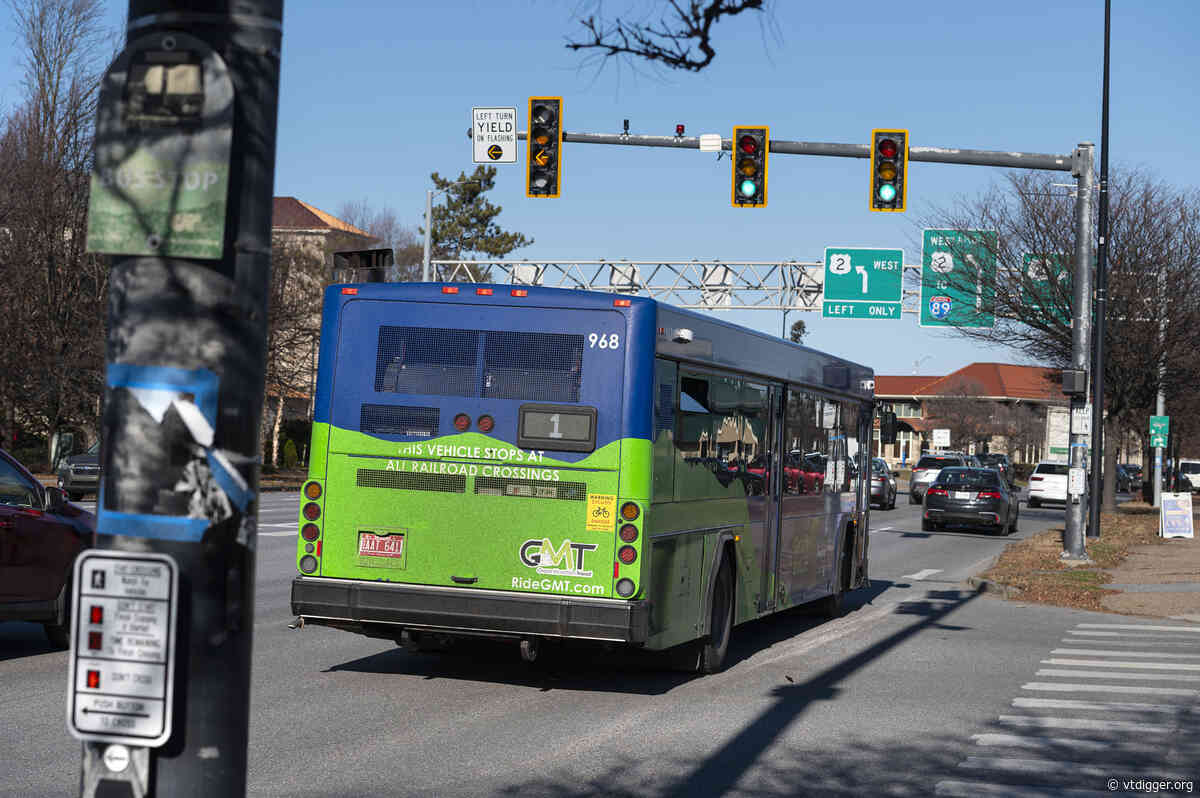
VTDigger: Signal Priority Cuts Bus Waits at Least 65% at 4 South Burlington Intersections
A transit signal priority system cut bus wait times at four South Burlington intersections by at least 65...

Sophie Keane Wins World Youth Entrepreneurship Challenge With Bed Bug Bait Box
"I honestly can't believe it. To go from developing my business idea in school to representing Ireland in...

Peninsula Energy Halts ASX Trading Pending Lance Project Incident Probe
Peninsula Energy halted trading on the ASX pending an announcement expected by Wednesday, November 25. The Friday night...

AP Finds DEA Allowed 1.4 Million Fentanyl Pills to Reach Streets in New Mexico Investigation
Federal and state authorities are scrutinizing a DEA strategy that allowed fentanyl to reach New Mexico streets to...