
Oklahoma’s Department of Human Services is seeking an extra $191 million for the upcoming budget year, including $45 million set aside for possible federal fines linked to a projected 6% to 8% error rate in the state’s Supplemental Nutrition Assistance Program, according to the Kansas City Star.
Another $35 million would target staff training to reduce payment mistakes in the program, which serves nearly 550,000 residents.
The request stems from federal rules enacted in 2025 that require states to drastically reduce SNAP error rates or shoulder a larger share of program costs, the Star reported. Oklahoma’s SNAP caseload has fallen 20% — the third-largest drop in the nation — as the application process slowed while employees worked to reduce error rates, leading to long lines and hours-long phone waits that caused many applicants to give up, the Star reported.
The funding request will compete with other agency proposals and a push for tax cuts by Republican Gov.-elect Mike Mazzei during the next legislative session, the Star reported. Anti-hunger advocates warn that failing to cover the shortfall could strip benefits from thousands in a state with one of the nation’s highest food insecurity rates.
“I don’t want to be dramatic, but the word I’ve been using is ‘catastrophic,'” said Jessica Dietrich, director of government relations at Hunger Free Oklahoma, a Tulsa-based nonprofit, in comments to the Star.
“If we don’t fill the gap on lost federal SNAP funds, that would not only mean hundreds of thousands of Oklahomans don’t have money to put food on the table, but I think we could potentially see grocery store closures, which impact people whether they receive SNAP or not. I just cannot overstate the importance of the Legislature filling this gap.”
The penalties originated in H.R. 1, which the Republican-controlled Congress passed in July 2025 with support from all seven members of Oklahoma’s delegation; the measure shifted administrative costs onto states and imposed steep penalties unless they dramatically lower SNAP error rates, the Star reported.
Democrats, set to take control of the U.S. House and Senate in January, have targeted the SNAP changes for reversal, though a full repeal faces steep hurdles, including a $95 billion cost estimate from the nonpartisan Committee for a Responsible Federal Budget and insufficient seats to override a presidential veto, the Star reported.
Some Republicans have suggested delaying the SNAP error-rate deadline could be part of a bipartisan compromise on a long-delayed farm bill.
The Regional Food Bank of Oklahoma wrote in an email to supporters earlier in November that a delay would “allow states more time to reduce SNAP payment error rates and food banks to adjust to changes in participation that impact the food assistance we provide,” according to the Star.
House Minority Leader Hakeem Jeffries wrote in a Nov. 4 letter that “during the first 100 days, House Democrats must act to reverse the Medicaid cuts, restore SNAP funding, extend the Affordable Care Act tax credits, eradicate the Trump tariffs and stop the reckless war of choice in Iran,” the Star reported.
Worth a look
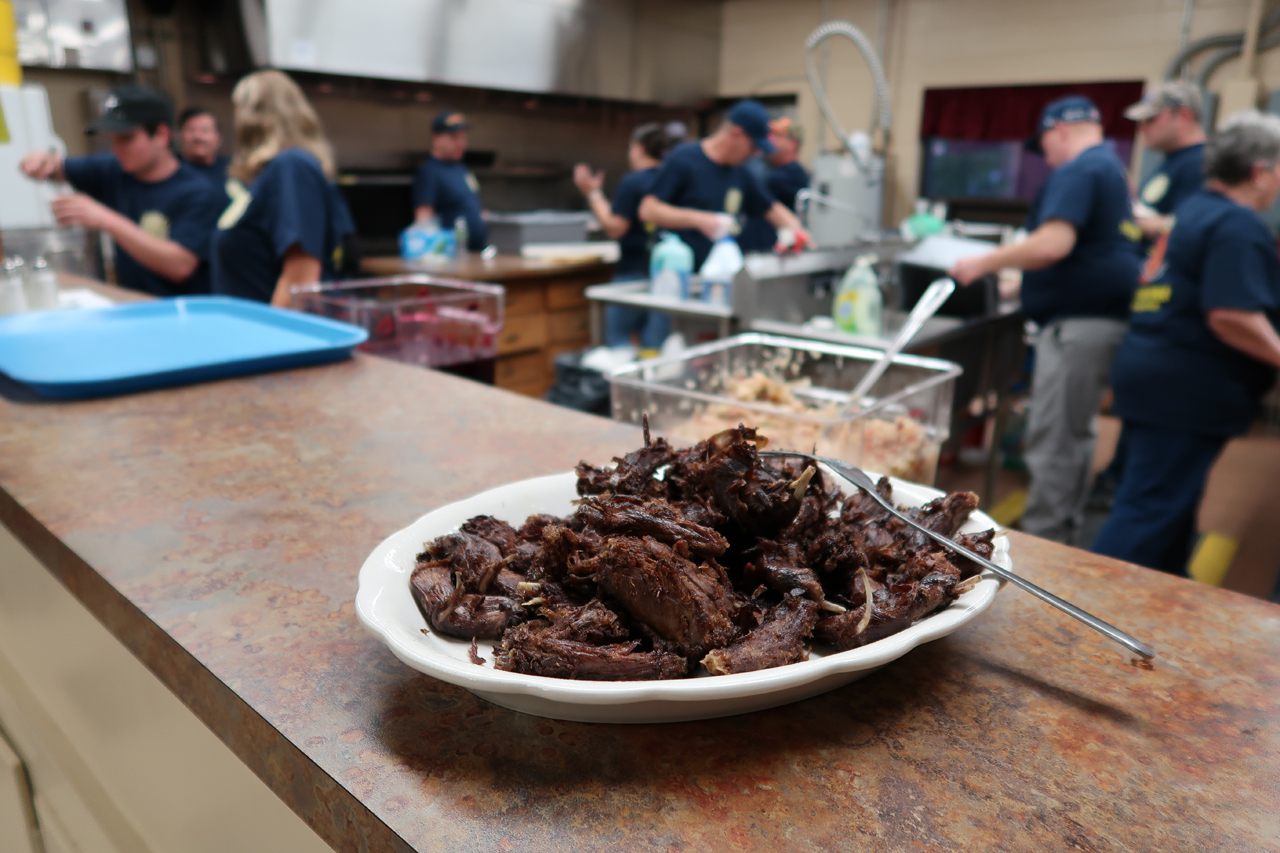
Salem Eagles Serve 50th Fried Muskrat Dinner to 100 on Jan. 30
The Salem Fraternal Order of Eagles will serve fried muskrat to exactly 100 ticket holders on Jan. 30,...
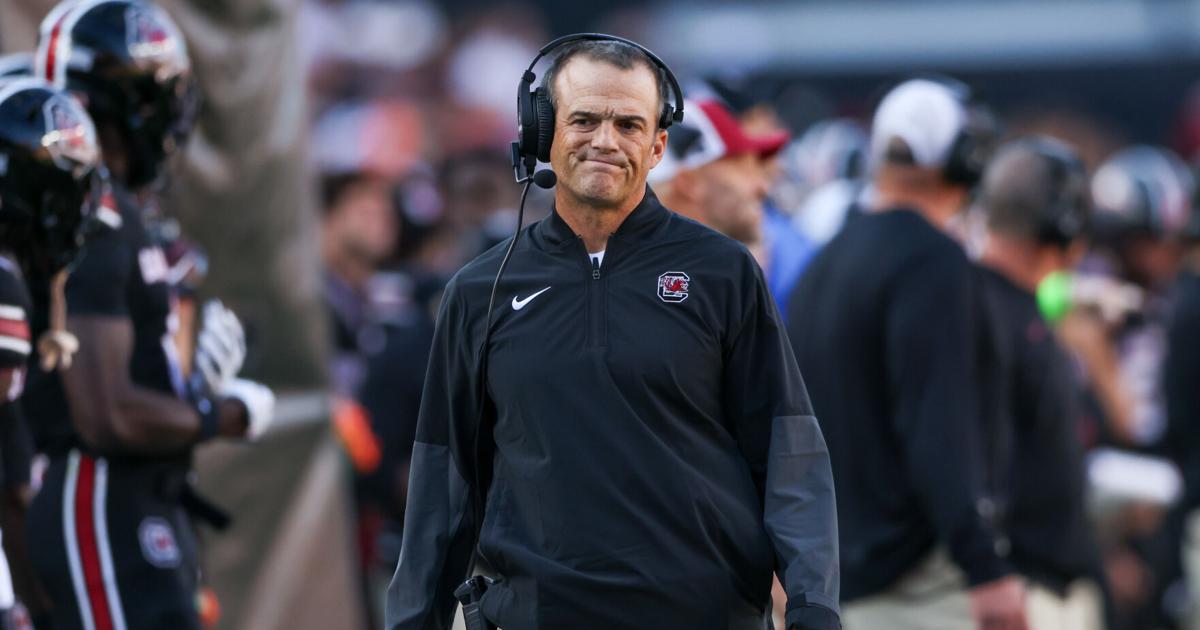
South Carolina Loses to No. 1 Georgia 34-6; Beamer Calls Second Half ‘Unacceptable’
South Carolina lost to No. 1 Georgia 34-6 at Williams-Brice Stadium on Saturday, dropping the Gamecocks to 6-5...

Devin Whitlock Sparks Eastern Illinois to Overtime Win Over Charleston Southern
Eastern Illinois beat Charleston Southern 20-17 in overtime on Saturday at O’Brien Field, securing the Panthers’ first home...

Lakers’ Austin Reaves (Heel Bruise) to Miss Suns Game; Return Eyed for Jazz or Spurs
Los Angeles Lakers guard Austin Reaves will miss Sunday's game against the Phoenix Suns with a left heel...