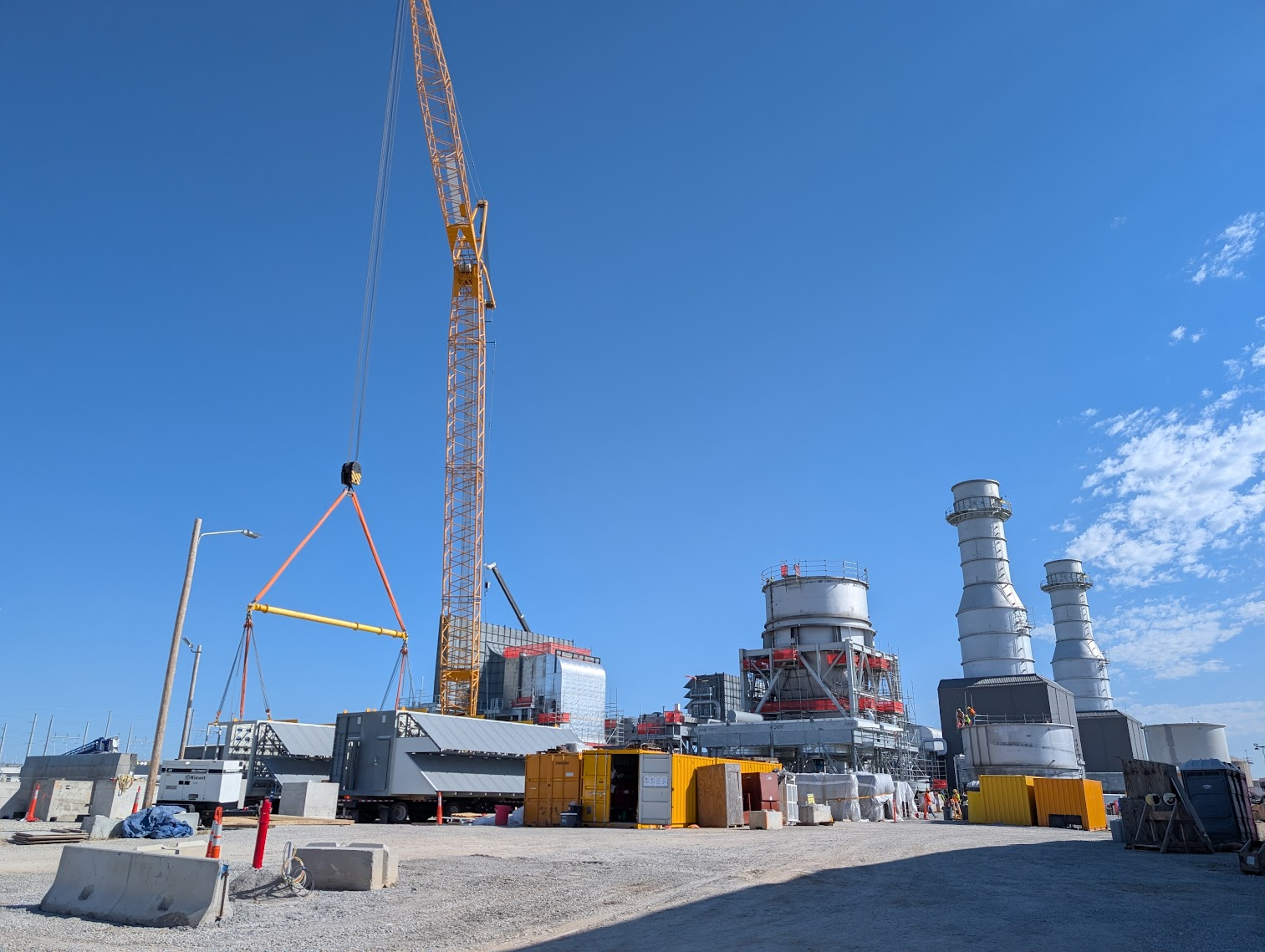
“Everyone is saying no, and then we end up in a really bad place,” Javier Fernandez told Grist. The president and CEO of the Omaha Public Power District was describing a bind that has Nebraska’s largest metro staring down an economic slowdown: OPPD has less than 100 megawatts of available power capacity to promise new or expanding large customers for the next few years, while companies representing nearly 2,000 megawatts of projects are already sitting in its queue through 2031.
This shortage lands at a precarious moment for the state. Nebraska is projected to face a $208 million budget deficit next year, and compared to 2022, state income tax revenues this past year were $703 million lower. With economic development leaders warning that power constraints put Omaha at a competitive disadvantage for new businesses, jobs, and tax revenue, the utility’s capacity crunch has become a statewide fiscal concern.
The 100-Megawatt Ceiling
For context, a single large data center can require as much as 1,000 megawatts of capacity, while manufacturing facilities range from a few megawatts to over 100. OPPD currently projects that any new or expanding development requiring 2 megawatts or more might have to wait to receive service. The utility, which serves about 419,000 customers across eastern Nebraska, says it has enough capacity for typical residential and commercial growth, but the industrial boom has changed the math entirely.
“We are bending over backwards. We’re trying to figure out creative solutions,” Fernandez said. “How do we bridge this? Can we buy capacity from other utilities? Literally, no one has excess capacity. Everyone is in the same boat as we are, so now the pinch, so to speak, it’s, well, growth has to slow down, maybe?”
A Grid Under Pressure
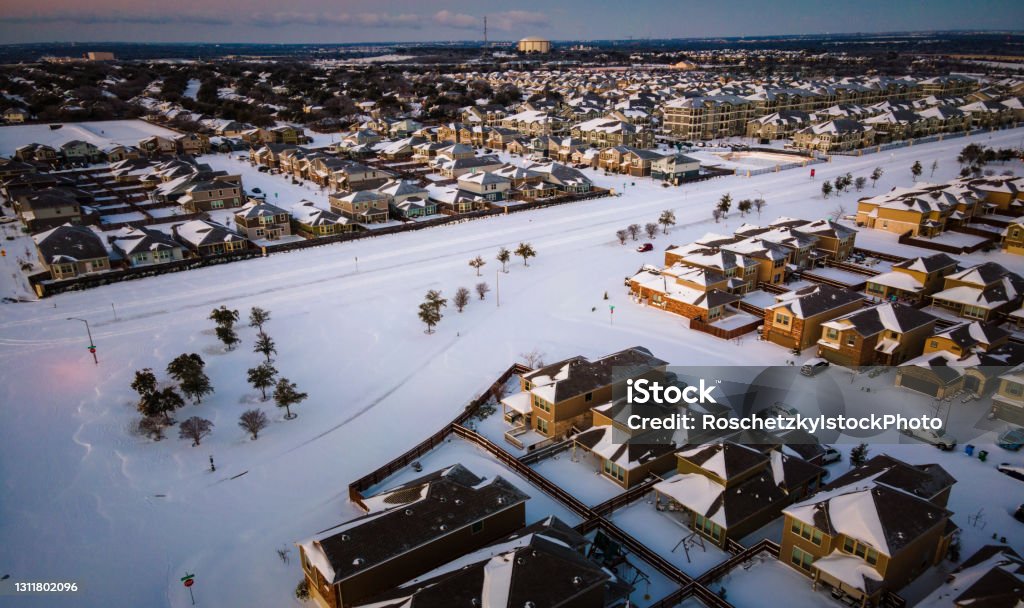
The roots of this crunch trace back to Winter Storm Uri in 2021, when utilities across the country scrambled for power amid fuel supply failures and equipment malfunctions. In Nebraska, OPPD conducted rolling blackouts to preserve the grid, and afterward the Southwest Power Pool required member utilities to keep more reserve capacity for future emergencies. Since then, the data center boom, electrification, and industrial growth have spiked demand nationwide, leaving OPPD running low on what it can promise new customers.
The utility’s current portfolio holds 4,583 megawatts of energy capacity, but projections show industrial customers jumping from 32 percent of peak demand now to 52 percent by 2035. “Clearly, data centers have been a very, very big force on that increase,” Fernandez said.
Meeting that demand means making a high-stakes bet. OPPD’s long-term planning suggests the utility could add about 1,000 megawatts on the low end, or more than double its portfolio on the high end. Build too small, and Omaha risks returning to the same shortage; build too big without the customers to match, and ratepayers absorb the cost.
“The biggest question my board is likely going to have to answer is going to be how big of a plan we approve,” Fernandez said. “And that is going to be informed by … state, counties, cities, chambers: How much do you want us to grow?”
The No-Build Paradox
Adding generation capacity is easier said than done. OPPD is weighing new natural gas and renewable projects, but both face obstacles. Natural gas equipment supply chains are constrained, while renewable developments have been turned away by communities across Nebraska. Residents have rejected clean energy proposals over concerns about fire risks and damage to prime agricultural land and local infrastructure, fueled by years of misinformation and secretive development practices.
Fernandez noted the contradiction: some community leaders reject renewable generation only to later ask for more power capacity to attract economic development. Meanwhile, the Greater Omaha Chamber has urged the utility to plan beyond 2036 and build for more growth. In a September letter to OPPD’s board, chamber president and CEO Heath Mello called for longer-term planning, while board chair Paul West said the chamber hopes to recruit manufacturing—industries that must now compete for electricity with data centers.
Larry Gigerich, chair of the Site Selectors Guild, said the competition is reshaping how manufacturers advocate for power. “Now it’s a true competition, and we can’t generate enough new power fast enough to meet everybody’s needs,” he said.
Who Gets the Power?
The tension between data centers and manufacturing is acute. While OPPD declined to comment on the exact mix of its queue, economic development officials say energy is one of the top two reasons the chamber loses deals to other locations. Utilities have an obligation to serve all customers, Fernandez noted, but state and local governments can incentivize the kind of growth they prefer.
With about 5,000 megawatts of other potential projects on the radar, the board faces a decision that will ripple through Nebraska’s economy for decades. Fernandez, who will leave the utility at the end of the year, framed the stakes plainly.
“If Omaha doesn’t grow, if Omaha doesn’t prosper, the rest of the state very likely won’t,” Fernandez said. “What the state wants versus what the city wants versus what the chambers want — well, they all want different things. But the one common denominator that I keep hearing is jobs and income.”

Jon Echols wins Oklahoma attorney general race over Nick Coffey
Jon Echols Takes Oklahoma Attorney General's Race, Vowing a "Safer, Freer, Stronger Oklahoma" Republican Jon Echols is set...

In a column, the writer argues that the Christmas season begins earlier and earlier every year
Christmas Before Thanksgiving in Bismarck In a column, the writer argues that the Christmas season begins earlier and...

Five DSA candidates win seats in U.S. House of Representatives
Five candidates endorsed by the Democratic Socialists of America won seats in the U.S. House of Representatives on...
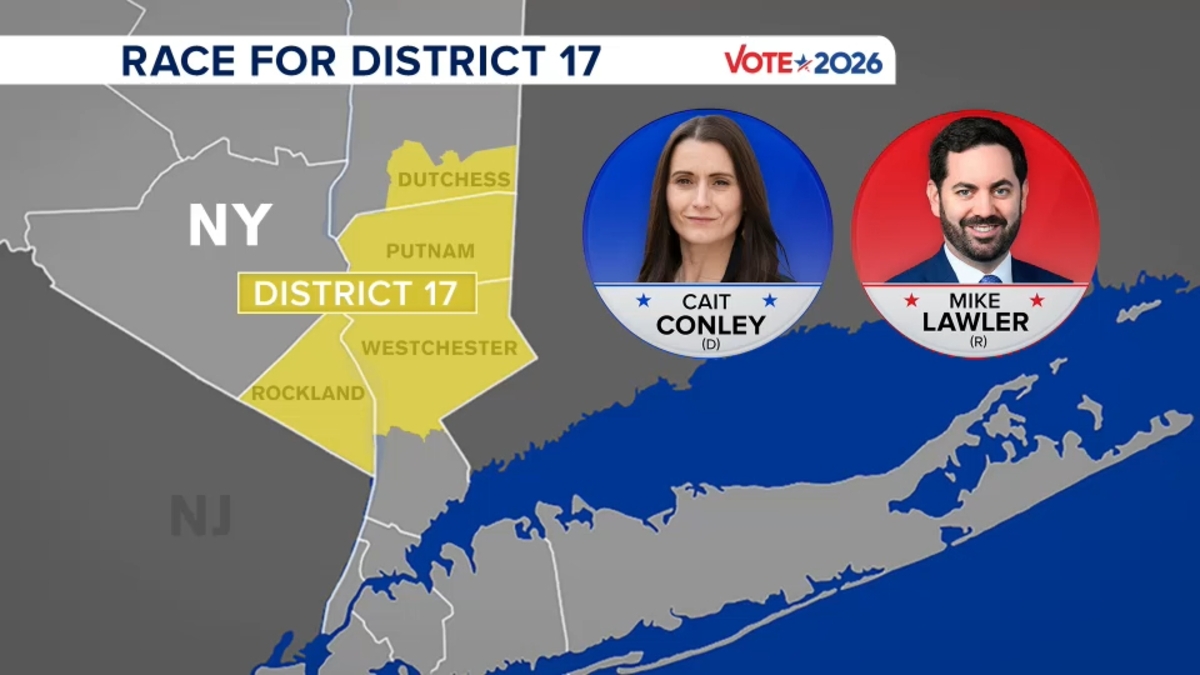
Cait Conley Defeats Mike Lawler in New York 17th District Race
Mike Lawler Concedes to Cait Conley, Flipping New York's 17th District to Democrats Republican incumbent Rep. Mike Lawler...