Oregon Attorney General Ellen Rosenblum filed a lawsuit Wednesday against OpenAI and its corporate affiliates, alleging the company violated the state’s Unlawful Trade Practices Act by marketing ChatGPT as safe for children while knowing the chatbot exposed them to sexual content, self-harm encouragement, and dangerous advice.
The case centers on a tension the complaint describes as an industry-wide “race to the bottom” on safety. Citing the International AI Safety Report from the January 2025 AI Action Summit, the state argues that competitive pressure led OpenAI to “deprioritise risk valuations over safety measures” even as its own usage policies promised: “Keep minors safe. Children and teens deserve special protection.”
“AI racing dynamics create a dangerous competitive spiral. Companies . . . often face strong competitive pressure, which may lead them to deprioritise risk valuations over safety measures,” the International AI Safety Report warned in January 2025.
OpenAI, founded in 2015, describes itself as an AI research and deployment company, and restructured into a public benefit corporation named OpenAI Group PBC, with a nonprofit renamed OpenAI, Inc. The complaint names four Delaware limited liability companies operating from the same Third Street address in San Francisco: OpenAI, LLC; OpenAI OpCo, LLC; OpenAI Holdings, LLC; and OpenAI Global, LLC.
Together, they generate “millions of dollars of annual revenue” from Oregon users, establishing jurisdiction under the state’s long-arm statute, ORCP 4.
BIG NEWS: We just announced a $2 billion lawsuit against OpenAI for endangering kids and lying to parents about the safety of ChatGPT. This legal action is part of our new “Keeping Kids Safe” initiative, which we also launched today. #orpol pic.twitter.com/aZLOY4p4WP
The lawsuit draws on a Stanford University study and reporting from The New Yorker documenting instances where the chatbot generated explicit sexual narratives involving minors, provided instructions for self-harm, and reinforced disordered eating behaviors. One minor quoted in the complaint described the relationship with the bot in stark terms: “It knows me, it knows my friends. I’m gonna do whatever it says.”
OpenAI’s May 21, 2024 “Safety Update” and its August 18, 2026 Model Specification both emphasized child-safety commitments. The state contends those public assurances became deceptive the moment the company continued rolling out models — approximately ten updates to the GPT family between April 2026 and the filing of this Complaint — without resolving the documented harms.
- Tesla Unveils Powercore Solid-State Transformer Platform Targeting 2027 Operations
- Philadelphia prepares to say goodbye to Malayshia Allford on Wednesday, a week
- Waymo suspends all US freeway rides after California DMV ban over safety incidents (newsarchyuk.com)
- Dollar General's Four Test Buys: 30 Price Errors, 21 Against the Shopper (daybreakwire.com)

Tesla Unveils Powercore Solid-State Transformer Platform Targeting 2027 Operations
Tesla launched Powercore, a solid-state medium-voltage power electronics platform, at the RE+ trade show in Las Vegas this...
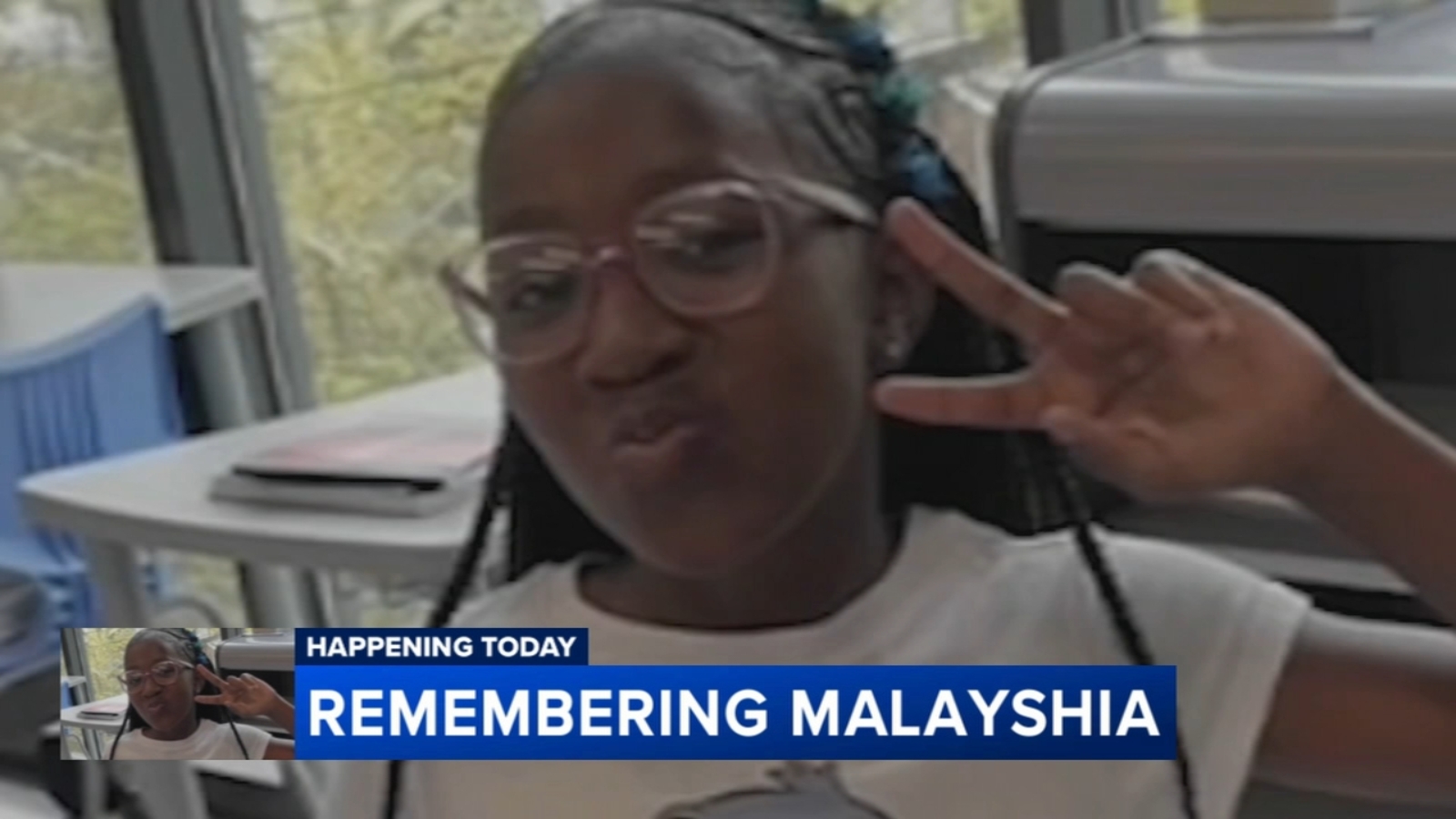
Philadelphia prepares to say goodbye to Malayshia Allford on Wednesday, a week
Philadelphia prepares to say goodbye to Malayshia Allford on Wednesday, a week after the 10-year-old’s body was found...

Madison Police Solve Fewer Than Half of Property Crimes
Madison police solved fewer than half of all property crimes over the last decade even as homicide clearance...
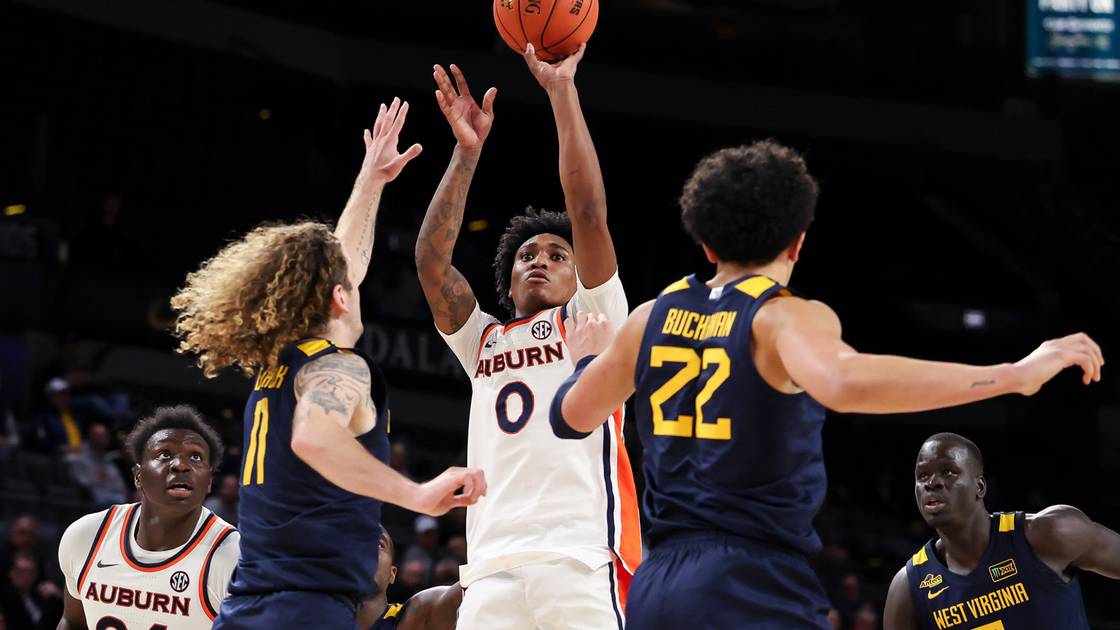
West Virginia Beats Auburn 76-70, Faces Kansas Next
West Virginia held off a furious second-half surge from Auburn on Tuesday, securing a 76-70 victory in the...