
Anglers targeting Oregon’s winter Steelhead runs should book two to four weeks ahead, while fall Chinook trips on the Columbia may require reservations several months in advance, FishingBooker reported.
The state requires outfitters and independent guides to register annually with the Oregon State Marine Board, carrying proof of insurance, valid first aid and CPR certification, and minimum safety equipment. Guides employed by a registered outfitter operate under that business’s registration.
A full-day drift boat trip for Steelhead or Salmon typically costs $250 to $325 and includes the boat, guide, rods, tackle, and bait. Fly or spey trips run $595 to $600 with rods, flies, and casting instruction included. Most trips exclude licenses, food, gratuity, and often waders.
Nonresident anglers pay $138 for an annual license versus $50 for residents, while the Combined Angling Tag costs $89 and $69 respectively. A Rogue-South Coast Wild Steelhead Harvest Tag is $40 for nonresidents and $20 for residents. Multi-day licenses include the Combined Angling Tag; annual license holders must purchase it separately.
Winter Steelhead enter coastal rivers from November or December depending on fall rains and run through April. The Rogue offers fishing December through April, the Wilson and Trask follow similar timing, while the Nestucca starts as early as November. The Siuslaw produces best odds from late January through March.
Spring Chinook peak April through July on the Rogue and Umpqua, with the Willamette system seeing springers from April. Fall Chinook and Coho run August through October or November on the Rogue and Umpqua. The Lower Columbia near Buoy 10 draws guides each fall for large Chinook runs and catch-and-release Sturgeon.
Barbless hooks are required on the mainstem Columbia from Buoy 10 upstream to the Oregon–Washington border above McNary Dam when fishing for Salmon, Steelhead, Sturgeon, or Trout. Wild Steelhead retention is prohibited in the Columbia River Zone and restricted in the Northwest and Willamette Zones unless a specific exception applies; the Southwest Zone allows harvest on the Rogue but not the Umpqua.
Hatchery fish are identified by a clipped adipose fin or other clipped fins with healed scars. Fish without clipped fins are considered wild.
Drift boats are typically 16- to 18-foot Willie, Hyde, or ClackaCraft models. Bank and plunking trips offer a lower-cost alternative on larger rivers where fish stack in predictable spots, though anglers cover less water than from a boat.
Keep reading

NWS Issues Thunderstorm Alert for South Puget Sound
The National Weather Service issued an updated alert at 12:45 p.m. Thursday for strong thunderstorms across the South...
Tech Leaders Mark Thanksgiving With Family and AI Reflections
Tech leaders marked Thanksgiving with public reflections that split along a familiar fault line: family and healthcare on...

Wyoming Rep. Brown Questions Proposed Military Base After Iowa Lead Azide Detonation
Outgoing Wyoming Rep. Landon Brown cited an Iowa Army detonation of nearly five tons of degraded lead azide...
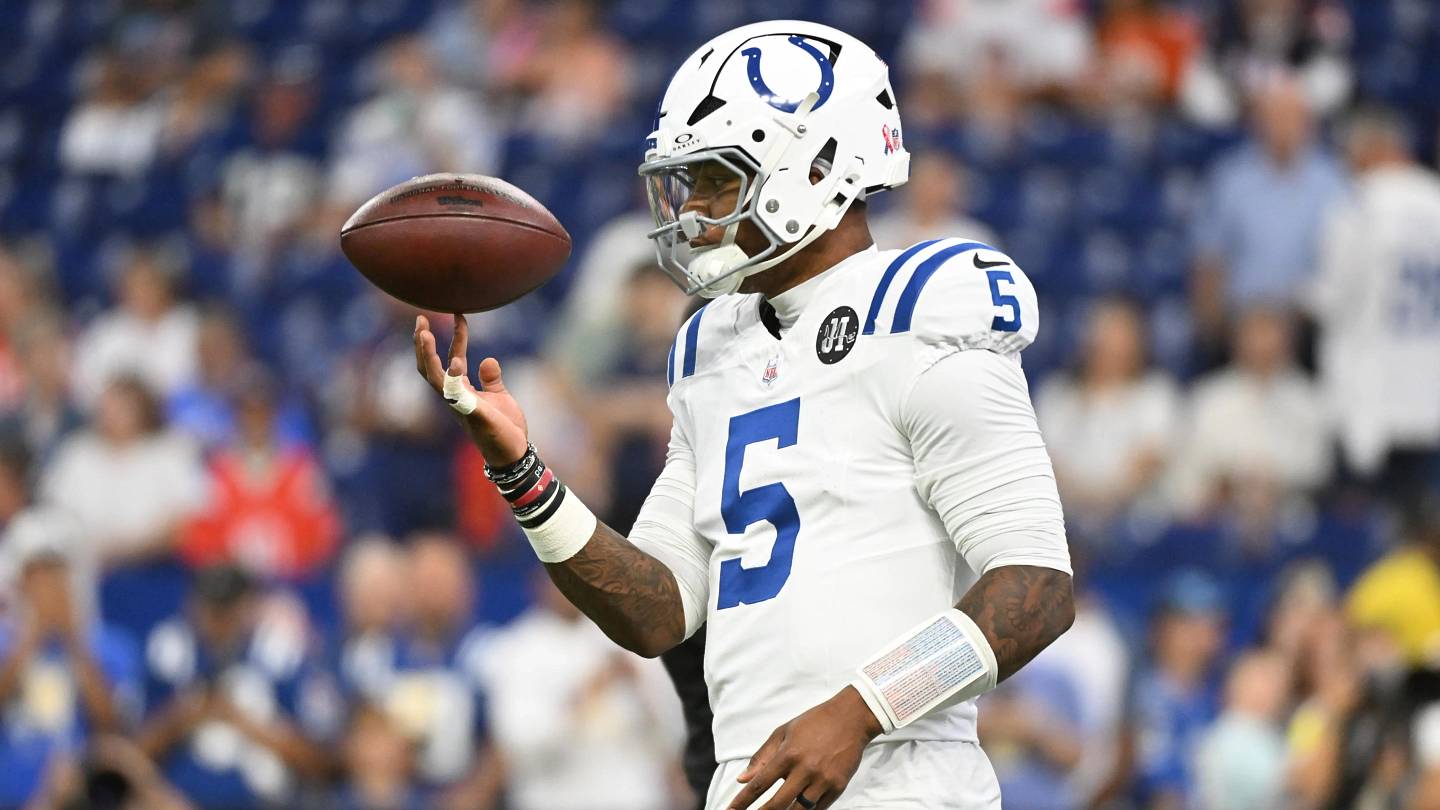
Colts Turn to Anthony Richardson for First Start vs Giants
The Indianapolis Colts (3-8) host the New York Giants (6-3-1) on Sunday, November 29, after releasing starting quarterback...