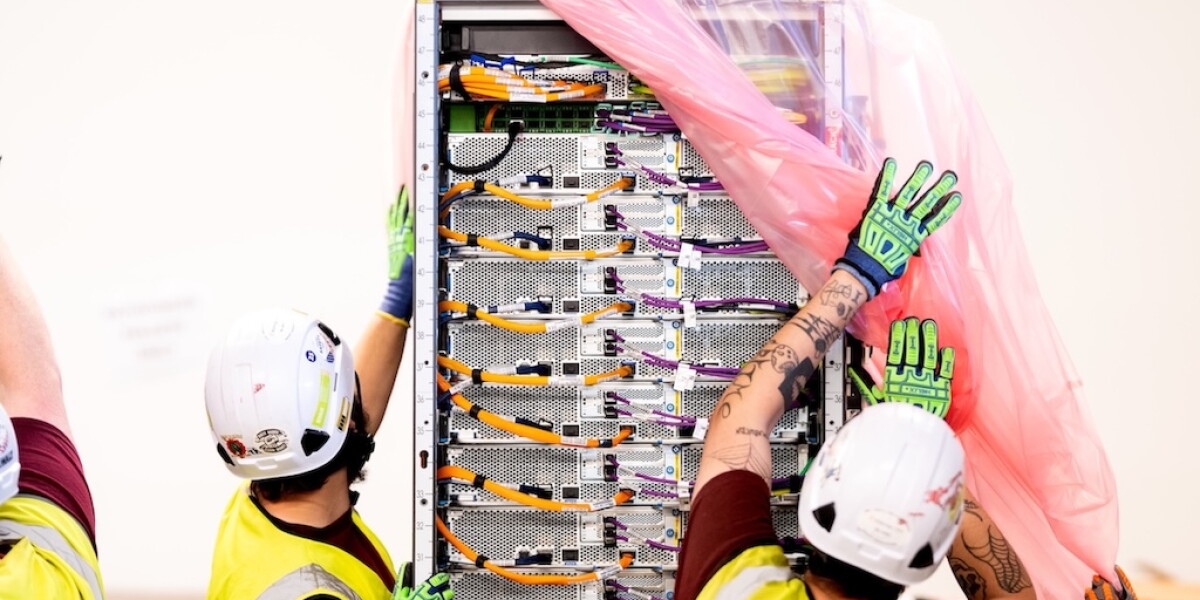
Oregon Gov. Tina Kotek has directed environmental regulators to pause all air and water pollution permits for new or expanding data centers until July 2027, effectively freezing most large-scale development across the state, OPB reported.
The directive, sent to Department of Environmental Quality Director Leah Feldon on Friday, expands a previous moratorium that applied only to state-owned land. Without those permits, hyperscale operators cannot build, whether on public or private ground.
“What this pause means is that everything — assuming it is implemented the way we think it will be — data center development will pause until the legislature has a chance to act over the course of the first half of next year,” said Kaleb Lay, director of policy and research at Oregon Rural Action, a grassroots nonprofit that advocates for environmental sustainability in Eastern Oregon.
“This directive was issued abruptly, without meaningful stakeholder engagement of the workers, businesses, and municipalities it will affect.”
said Shannon Kellogg, vice president of Amazon Web Services Public Policy for the Americas, in a statement. Amazon operates more than a dozen hyperscale data centers in Morrow and Umatilla Counties and has invested $54.8 billion in data center infrastructure in eastern Oregon since 2011. Kellogg warned the move could cost Oregon thousands of jobs and billions in planned investment.
The pause arrives as Salem prepares for the 2027 legislative session, where lawmakers are expected to debate a wave of bills regulating the industry’s energy demand, water consumption, and transparency. Kotek wrote that the time-limited freeze would give her space to evaluate recommendations from her Data Center Advisory Committee and to support policy or regulatory reforms in the upcoming session.
Both Kotek, a Democrat, and her Republican opponent, state Sen. Christine Drazan, favored a moratorium during the gubernatorial race, each attacking the other for not doing more to crack down on the developments.
Amazon used the moment to publish a detailed policy framework arguing that smart regulation can accommodate growth without raising costs for households. The company says its average data center building in eastern Oregon uses about 5.1 million gallons of water a year for cooling — less than three restaurants — and that cooling systems run on water less than 7% of the year.
It also says it is investing nearly $400 million in local water infrastructure to recharge aquifers and improve quality, while supporting replenishment projects estimated to return 957 million gallons annually to the local ecosystem, nearly four times the water used for cooling in 2025.
On energy, Amazon reports 1,330 megawatts of solar and wind and 1,200 megawatts of battery storage already invested in Oregon. The company backs a “bring your own energy” model that lets large users add carbon-free generation and pay the associated costs without shifting them to other ratepayers.
It argues the biggest barrier to new clean energy is not capital but siting, permitting, and interconnection timelines, and it urges the state to reconsider its prohibition on nuclear power as a reliable baseload option.
Lay, with Oregon Rural Action, said pausing permits is not enough. “What needs to happen at the Legislature, we need new laws to protect all of Oregon from these massive corporations.” He hopes the freeze gives policymakers time to address water and electricity consumption, transparency, and the nondisclosure agreements that often shroud project details.

Amazon also highlighted its Built Together program, which makes grants for energy efficiency upgrades to schools, community buildings, and homes in counties where it operates, targeting savings of 20% to 40% on monthly energy bills. The company supports expanding Enterprise Zone accountability, requiring transparent, measurable public benefits tied to jobs, tax revenue, infrastructure, and workforce development.
Kotek, first elected governor in 2022 and reelected in 2026, is one of the first two openly lesbian women to win a U.S. governorship and the third woman elected governor of Oregon.
Before that, she served as speaker of the Oregon House from 2013 to 2022, becoming the first openly lesbian person to lead a state legislative chamber and the longest-serving speaker in Oregon history. She resigned from the House in January 2022 to focus on her gubernatorial campaign.
The legislative session convenes in January.
Related reading

Morgan State Wrestling Faces Maryland, Ohio in College Park Duals
The Bears step onto the mat Sunday at the Stephen M. Schanwald Pavilion for a 1 p.m. dual...
Tallahassee Felon Cameron Hawkins Pleads Guilty to Firearm Possession
TALLAHASSEE — Cameron Hawkins, 57, pleaded guilty Friday in federal court to possession of a firearm by a...
Self-Guided Scavenger Hunt at Quackenbush Square Runs Through Season on Eventbrite
A self-guided scavenger hunt centered on the history of Quackenbush Square launches this season in downtown Albany, inviting...
Pete Hegseth Asks States to Hand Over Public Land for Army Base; Wyoming Identifies Four Sites
Defense Secretary Pete Hegseth is asking states to hand over up to 250,000 acres of public land for...