
Shivering in a cold breeze along the Oregon Coast usually brings thoughts of rain gear and crashing waves rather than floating wind turbines, but a new multi-year framework aims to change how coastal communities plan for future green energy.
Released in July 2026, a comprehensive new offshore wind roadmap provides state decision-makers with a structured framework for weighing regional energy demands against local protection needs.
Shaping Energy Futures Along the Coast
As electricity demand climbs across Oregon and the broader United States, policymakers face mounting pressure to find viable renewable generation sources that offset climate change impacts. The wind off Oregon’s coast offers possibilities for generating electricity, but capturing it requires managing complex human and environmental factors.
To tackle this challenge, the Department of Land Conservation and Development (DLCD) teamed up with Oregon Consensus to design a collaborative two-year engagement process. The initiative brought diverse interests to the table to map out potential futures.
The effort traces back to 2024, following the passage of HB 4080. DLCD convened an advisory roundtable that included representatives from coastal communities, Tribal Nations, fishing, labor, renewable energy, environmental organizations, and government.
From Informal Talks to a Statewide Roadmap
The path to the July 2026 release involved an informal working group of fishing industry representatives, renewable energy, labor unions, environmental groups, and other interests. Their early recommendations pushed the state to incorporate broader community interests and Tribal Nations into a formal advisory roundtable.
Oregon Consensus staff Bobby Cochran and Sofía Castellanos guided the process, hosting regular roundtable meetings in coastal towns alongside smaller working groups focused on community benefits, research coordination, and marine spatial planning.
For Castellanos, the process meant “creating opportunities for people to connect a complex energy issue to their own lives: what they value about their community, what they want to protect, what opportunities they see, and what questions need answers.”
“One thing that stands out to me is how differently people experience the same issue. A statewide energy conversation looks different when you are thinking about fishing livelihoods, cultural resources, local jobs, or the future of your own community. Collaboration helps bring those perspectives into the same discussion and makes the tradeoffs more concrete,” said Sofía Castellanos, Oregon Consensus staff.
Castellanos added that participants approached the difficult compromises with deep dedication.
“I was particularly struck by the sense of responsibility [the roundtable members] brought to the work, toward Oregonians broadly and coastal communities in particular. People brought different perspectives, but they took seriously what these decisions could mean for communities, livelihoods, and future generations,” Castellanos said.
Pathways Without Prescriptions
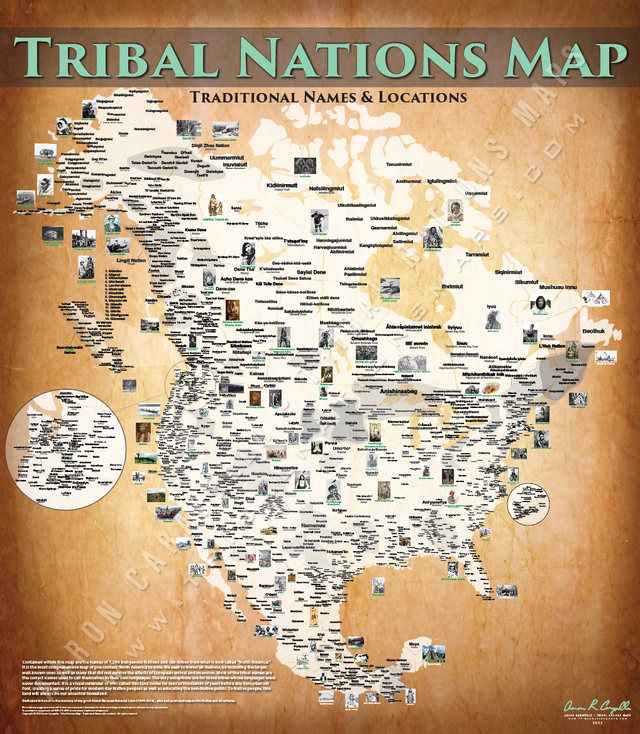
Rather than mandating whether the state should build massive offshore facilities, the finalized document outlines multiple distinct pathways, from no offshore wind energy to major wind farms.
To govern any future development, the roadmap establishes four core principles: meaningful engagement, credible information, regional coordination, and a holistic and accountable approach.
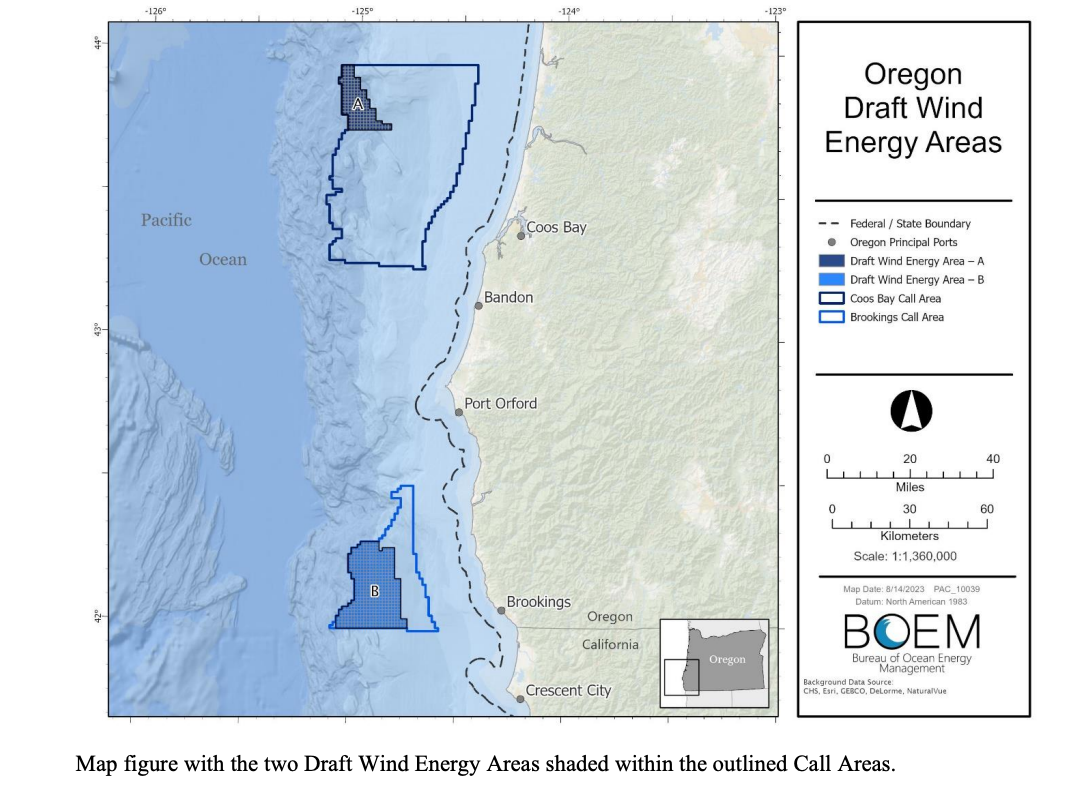
The framework relies on foundational federal data, such as resource assessments from the Bureau of Ocean Energy Management, to help local leaders evaluate technical feasibility alongside cultural and economic impacts. Public meetings, youth engagement initiatives, and formal Tribal consultations conducted by DLCD shaped the final text.
Related reading

4-Time World Champion Marvin Garrett Inducted Into Rodeo Hall of Fame
Marvin Garrett gathered with all ten of his grandchildren and their families in Oklahoma City on Saturday for...
Thieves Steal Hundreds of Thousands From Wisconsin ATMs in Jackpotting Scams
Thieves targeted automated teller machines near Milwaukee in two recent heists, stealing hundreds of thousands of dollars through...
Governor Morrisey Announces $1,144,689 for WVU Medicine Programs
Patrick Morrisey announced a $1,144,689 award to West Virginia University Medicine to establish community paramedicine programs across Harrison,...

Drew Lock Throws Two Touchdowns in Seahawks 21-13 Win Over Raiders
Drew Lock threw for 240 yards with two touchdowns and no interceptions on Sunday as the Seattle Seahawks...