
“At last, we can say she is out of the woods,” Dr. Carlos Sanchez said after the Oregon Zoo’s elephant calf, Tula-Tu, survived a bout of elephant endotheliotropic herpesvirus.
The young Asian elephant is making a full recovery nearly two weeks after her diagnosis with the virus, her caretakers at the Oregon Zoo reported. Veterinary staff initiated treatments immediately after symptoms appeared in the calf.
The virus can turn fatal within a matter of days and was previously responsible for the 2018 death of Lily, another young elephant at the Oregon Zoo.
Dr. Sanchez, who serves as the director of animal health at the zoo and chairs the North American EEHV Advisory Group Research Committee, explained that the latent virus exists in nearly all Asian elephants in both the wild and human care. While most elephants develop a natural immunity, calves between the ages of 1 and 8 remain highly susceptible.
Before this infection, Tula-Tu became the first elephant on the west coast to receive an mRNA vaccine designed to protect against the most common strain, EEHV-1A. She ultimately contracted an infection of EEHV-1B, a strain that carries fewer reported fatalities but still poses severe risks to young elephants.
With her white blood cell counts now back to normal, Tula-Tu no longer requires active medical treatment. The veterinary team plans to continue monitoring her health and running tests until she tests completely negative for the virus.
“We’ll continue monitoring for any signs of illness, but for now she no longer needs treatment,” Sanchez said. “We’re just going to step aside and let her get back to being a joyful little elephant.”
Beyond her personal recovery, Tula-Tu’s medical data and test samples will contribute to ongoing studies. Researchers from Oregon State University and Baylor are currently partnering with the zoo to better understand the virus.
“The work we’re doing now could play a significant role in protecting future elephant calves from the disease, including those in range countries,” Sanchez said, noting the difficulty of studying the virus in wild populations compared to animals monitored closely in human care.

Roger Chesley Argues FAA Ground Stop Caused Massive Travel Chaos
In a column for the Virginia Mercury, Roger Chesley argues that a nationwide FAA ground stop created a...
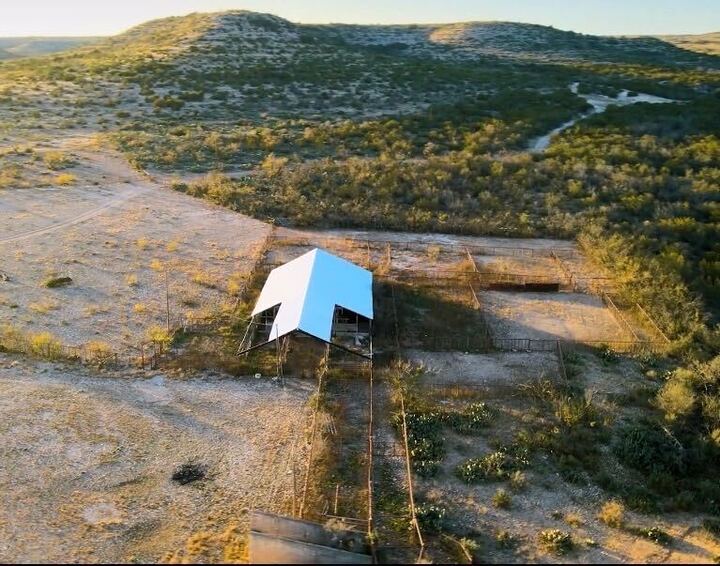
Texas Landowners Face Lawsuits and Easement Talks Over New Power Line
Landowners along the newly approved Howard-Solstice transmission line route face mandatory easement talks, property surveys, and potential condemnation...

Pricing and Disclaimer Information for Berlin City Kia of Burlington
A vehicle is listed on the website of Berlin City Kia of Burlington, featuring vehicle availability and pricing...

They’re Trying to Make You Crazy – Columbia Political Review
Over half of Americans read news on social media every single day, turning online platforms into digital battlefields...