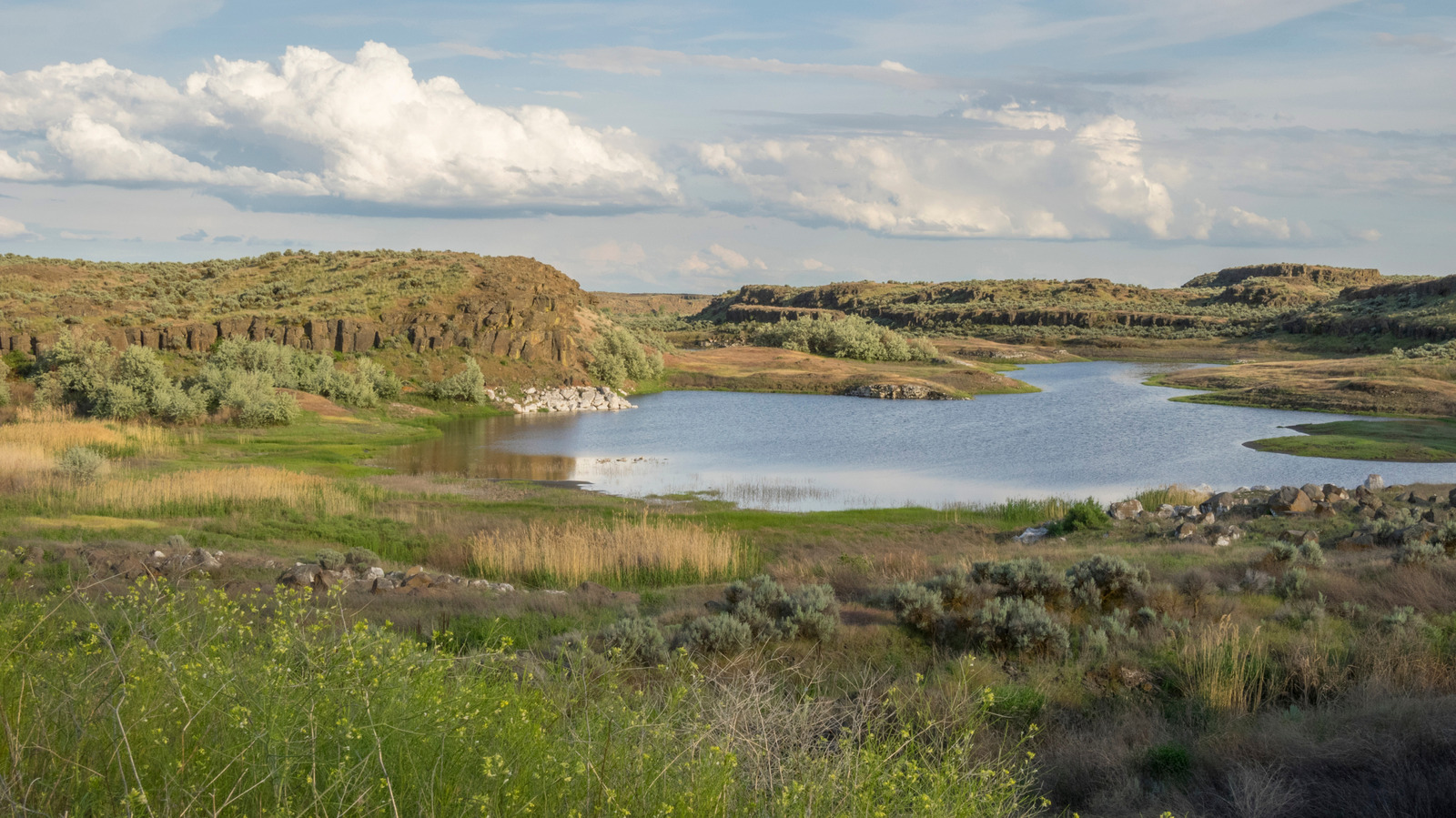
Eastern Washington’s Othello emerges as a desert hub for outdoor adventure and farm-to-table dining.
Known as the “French fry capital,” Othello produced 15% of all frozen French fries for North America in 2023, the Capital Press reported. The town sits in the arid Columbia Basin, a region of semi-desert created by lava flows and Ice Age floods, and is a thriving agricultural center.
Travelers are drawn to Othello for its unique blend of outdoor recreation and culinary offerings. The area’s fertile soil and sunshine support a strong agricultural scene, while its desert terrain and manmade lakes provide ample opportunities for fishing, boating, kayaking, hiking, birdwatching, and camping, the sources confirm.
Getting to Othello
Othello is located roughly in the center of a triangle formed by Seattle, Portland, and Spokane. The drive from Seattle or Portland takes between 3 to 4 hours. The most convenient option is to fly into Spokane International Airport (GEG), followed by a 1-hour and 40-minute drive to Othello. Smaller airports in Yakima and Walla offer similar drive times, and travelers can also take Amtrak to Ephrata and drive an hour south.

Aquatic Adventures in the Desert
Despite its arid surroundings, Othello is a gateway to aquatic fun. Potholes Reservoir, a 20-minute drive north, is a popular year-round fishing destination known for its trout and bass. Potholes State Park provides facilities for shore fishing, camping, and picnicking. Parts of the lake, like the Lind Coulee Arm, can ice over in the winter, making ice fishing a cold-weather activity.
Closer to town, the Columbia National Wildlife Refuge spans nearly 30,000 acres. Visitors can explore unique geological formations, including the Drumheller basalt columns, fish, paddle a canoe trail linking Shiner and Hutchison Lakes, and observe birdlife.
Every spring, the marshlands host flocks of sandhill cranes. For more water sports, Scooteney Reservoir south of town offers hiking, camping, and other activities. A one-hour drive east reveals Palouse Falls, a spectacular cascade in the Palouse region.
Discovering Othello's Unique Terrain
This terrain was created by lava flows and Ice Age floods, resulting in a stunning scenery that is also an agricultural powerhouse due to the fertile soil and sunshine.
The Columbia Basin was developed into an agricultural hub through the ingenuity of the Columbia Basin irrigation project. It’s in the middle of this unique region that travelers will find the town of Othello, which sits roughly in the middle of a triangle between Seattle, Portland, and Spokane.
Founding the Desert Hub
Today, it’s a thriving agricultural center on the rise, drawing visitors for its outdoor adventure and culinary scene.
The Bureau of Reclamation established offices in Othello in 1947, stabilizing the town as rail shipping declined after World War II. A pivotal development came in the early 1950s with the Columbia Basin Project, which brought irrigation water to the area via the Potholes East Canal between Billy Clapp Lake and Scootenay Reservoir in Franklin County.
This transformed the land, and in 1952, a land drawing awarded 42 names the privilege to purchase newly irrigated acreage, laying the foundation for Othello’s agricultural boom.
A Local Food Scene
Othello’s dining scene is shaped by its agricultural bounty and a vibrant Hispanic population. The town is renowned for its locally sourced, farm-to-table meals and its exceptional tacos. Main Street and Broadway are lined with taquerias and Mexican restaurants, including Guadalajara Restaurant, Taqueria Guerrero, Carnitas Rodriguez, Checo’s, and Tacos Michoacan.
Options for other cuisines include Ironworks Cafe & Market for wraps and sandwiches, Cow Path Bakery for baked goods, and Time Out for pizza. Wine enthusiasts can explore the regions of Yakima and Walla, premier Pacific Northwest wine areas, with a short drive.
Worth a look

Three Brothers Lounge Proposes Sports Lounge at Former Therapy Space in West Hartford Center
Three Brothers Lounge has filed alterations and additions permit paperwork to convert a 930-square-foot therapy office at 1000...
Panamanians in Chicago Organize for Cultural Visibility
Chicago is home to a community of several hundred Panamanians, a population long obscured by a lack of...

Oregon’s Covered Bridges Need Up to $51 Million for Urgent Repairs and Stabilization
Oregon’s 50 remaining covered bridges need $16 million to $51 million in repairs after dedicated state and federal...
Rent Freeze Covers Less Than Half of Renters the Rent Guidelines Board
Rent Guidelines Board approved a 0% increase for one- and two-year leases starting October 2026, covering about 1...