Pennsylvania Attorney General Dave Sunday joined a bipartisan coalition of 21 states and the District of Columbia on Monday in filing formal comments urging the federal Surface Transportation Board to reject an $85 billion merger that would create the largest private rail network in American history.
The proposed combination of Union Pacific Railroad and Norfolk Southern Railway would hand the merged entity roughly 40 percent of all U.S. rail freight traffic — more than 50,000 miles of track spanning 43 states.
For Pennsylvania, which operates 65 railroads across 5,600 miles of track — the most operating railroads of any state and the third-highest mileage — the consolidation threatens to reshape the economics of moving goods across the Commonwealth, according to the coalition’s filing with the STB.
“Our Commonwealth relies every day on rail lines to commute to work, visit friends and family, and transport goods, so when a major rail provider merges with another, that means one less major competitor in the market,”
The coalition argues the merger fails the STB’s statutory standard: the applicants must demonstrate “substantial and demonstrable public benefits” that cannot be achieved through other means. Instead, the attorneys general contend the deal would replicate the fallout from previous Class I railroad mergers — higher shipping costs, reduced service reliability, and workforce cuts — without offering sufficient remedies.
Union Pacific and Norfolk Southern have projected $965 million in annual operating efficiencies and $133 million in capital savings. The filing dismisses those figures as undersupported, noting the companies have not detailed how the savings would be achieved or whether they would translate into lower rates or better service for shippers.
The letter highlights remarks attributed to Union Pacific CEO Jim Vena at a March rail-shippers meeting. According to the coalition, Vena threatened to raise rates by 3 to 4 percent for customers who opposed the merger — a statement the attorneys general say could chill shipper participation in the regulatory process.

The state is pursuing expanded Amtrak service on the Pittsburgh Line and working to restore passenger service between Scranton and New York City — a project that requires cooperation from Norfolk Southern. The attorneys general argue the merged company should be bound to honor those commitments, warning that a dominant carrier with reduced competitive pressure could sideline passenger-rail expansion.
Short-line railroads, which feed traffic to the Class I carriers, also face heightened risk. With fewer interchange partners, the coalition says, short lines lose leverage over rates and service terms, jeopardizing the last-mile connections that serve rural manufacturers and agricultural shippers.
States lack independent authority to block railroad mergers; the STB holds sole jurisdiction under federal law.
The board’s review will weigh the applicants’ public-benefit claims against the competitive harms documented by the coalition, which includes the attorneys general of Arizona, Colorado, Florida, Illinois, Kansas, Maryland, Michigan, Minnesota, New Jersey, New Mexico, New York, North Carolina, North Dakota, Nevada, Oregon, South Dakota, Virginia, Washington, and Wisconsin, along with the District of Columbia.
The comment letter was filed November 18. The board has not set a deadline for its decision.
Worth a look
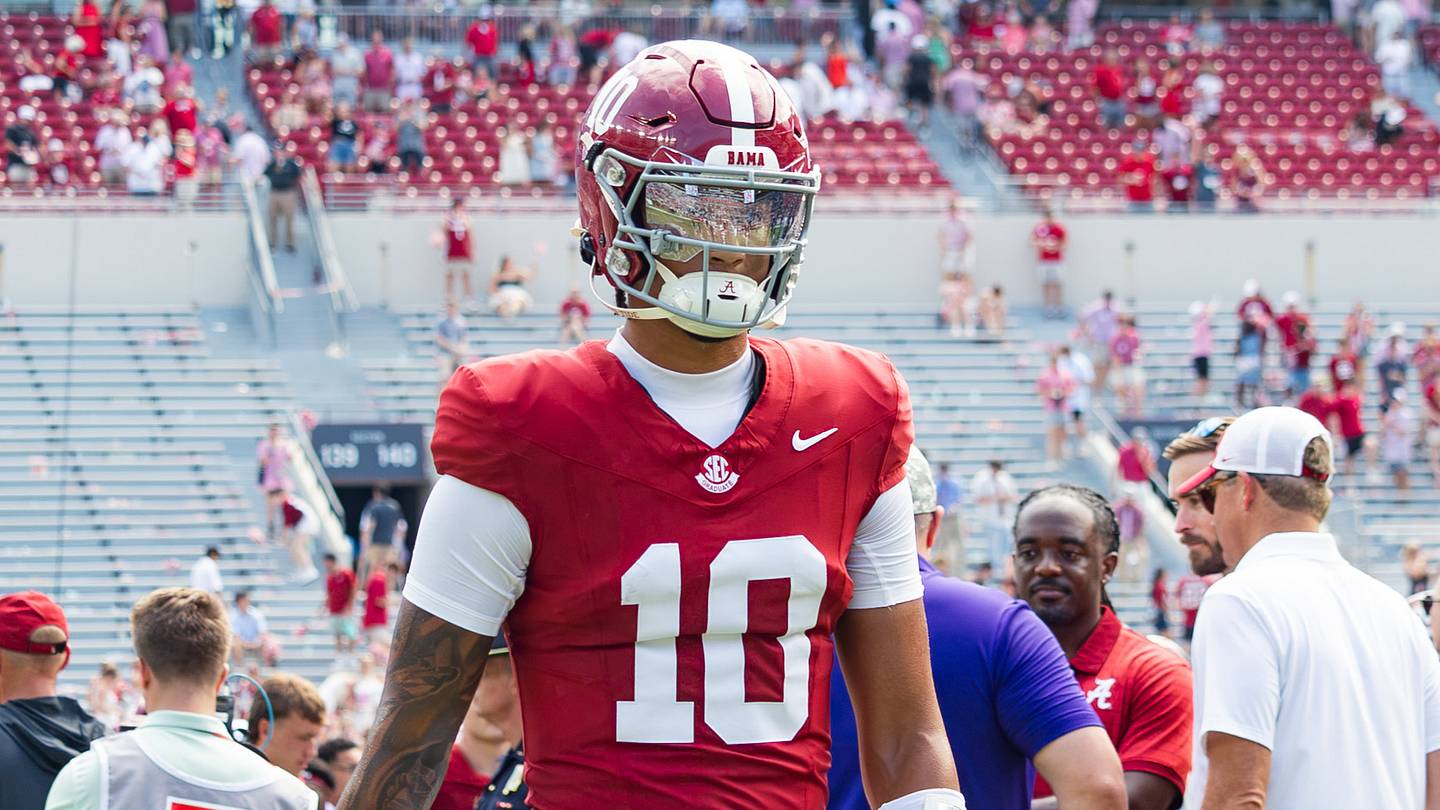
Austin Mack Shines in First Start, Says He Wanted to Show What He Was Capable
Austin Mack shines in first start November 21, 2026. Mack led the No. 3 Crimson Tide to a...

Mercer Beats Charleston Southern 69-64 With K.J. LaMonte’s 20 Points
Mercer defeated Charleston Southern 69-64 on Saturday, with K.J. LaMonte scoring 20 points. K.J. LaMonte helped Mercer beat...
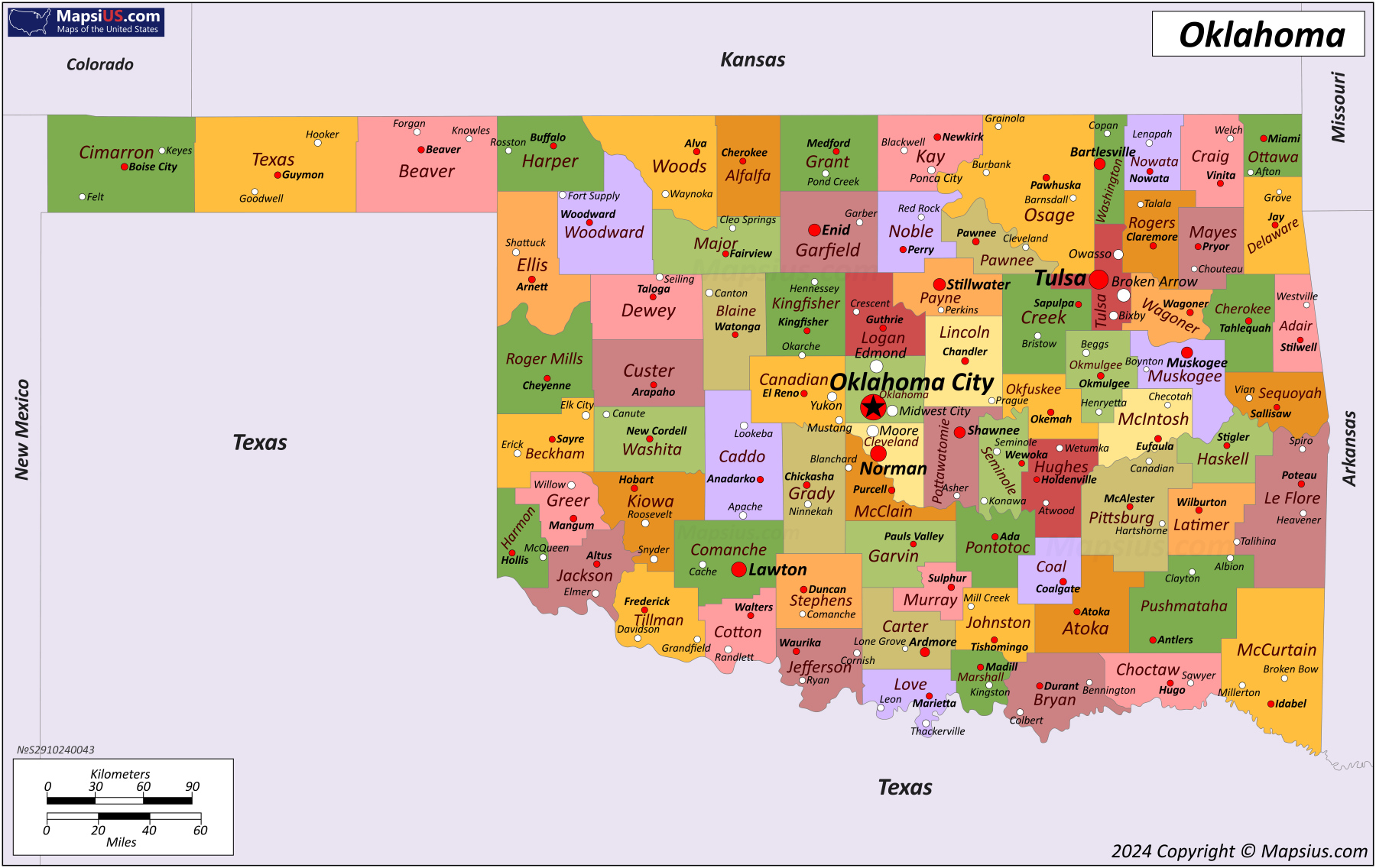
Arizona State Leads Oklahoma State 24-7 at Halftime in Big 12 Football Game
Arizona State flipped a 7-0 deficit into a 24-7 halftime lead behind 24 unanswered points and a freshman...

Anton Doiron’s Girl Yeti and a Spaceship premieres Saturday at Gold Town Theater
"It's like grown-up playtime," Anton Doiron says of the decade he spent building spaceships and alien worlds in...