
When giant pandas Ping and Fu Shuang meet the public at Zoo Atlanta on Nov. 6, it will mark a new chapter in panda diplomacy between the United States and the People’s Republic of China. The arrival of the pandas, who came to Atlanta on a plane dubbed the “Panda Express” in September, follows the return of the previous pandas, Yang and Lun, along with their twin cubs Ya Lun and Xi Lun, to China in 2024.
A New Chapter for Panda Diplomacy
The resumption of the panda program in Atlanta, along with similar agreements in San Diego and Washington, D.C., suggests that both nations are willing to engage with each other through a program that has proven to be popular. The newly renovated Arthur M. Blank Panda Grove exhibit is preparing to welcome visitors for the pandas’ public debut.
A History of Panda Sharing
The modern iteration of panda diplomacy began in 1957, when China offered the bears as a sign of goodwill. The first pair of pandas gifted to the U.S., Ling-Ling and Hsing-Hsing, arrived at the Smithsonian’s National Zoo in Washington, D.C., in 1972 as a gift to President Richard Nixon and first lady Pat Nixon. By the 1980s, the Chinese government had shifted from gifting pandas to a financially motivated loan program, which later moved toward research and conservation efforts after pandas were given greater international protection.
Agreement Brought Pandas to Zoo Atlanta
In 1999, an agreement was reached to bring Yang and Lun to Zoo Atlanta because of the zoo’s success in breeding animals in captivity. During their stay, the bears produced seven cubs and provided researchers with insights into behavior, health, reproduction, and ecology. Fei-Ling Wang, a professor in the Sam Nunn School of International Affairs, described panda diplomacy as a “successful use of this rare species for foreign policy purposes.” While he hopes the program can provide a bright spot for U.S.-China relations amid heightened tensions, he also noted that ongoing geopolitical tensions can create uncertainty for the program.
More on Zoo Atlanta
Worth a look

Scott Colom could become Mississippi’s first Black senator since Reconstruction
A Mississippi Senate Race Built on Quiet Belief “Watching Scott’s campaign pick up so much momentum has been...
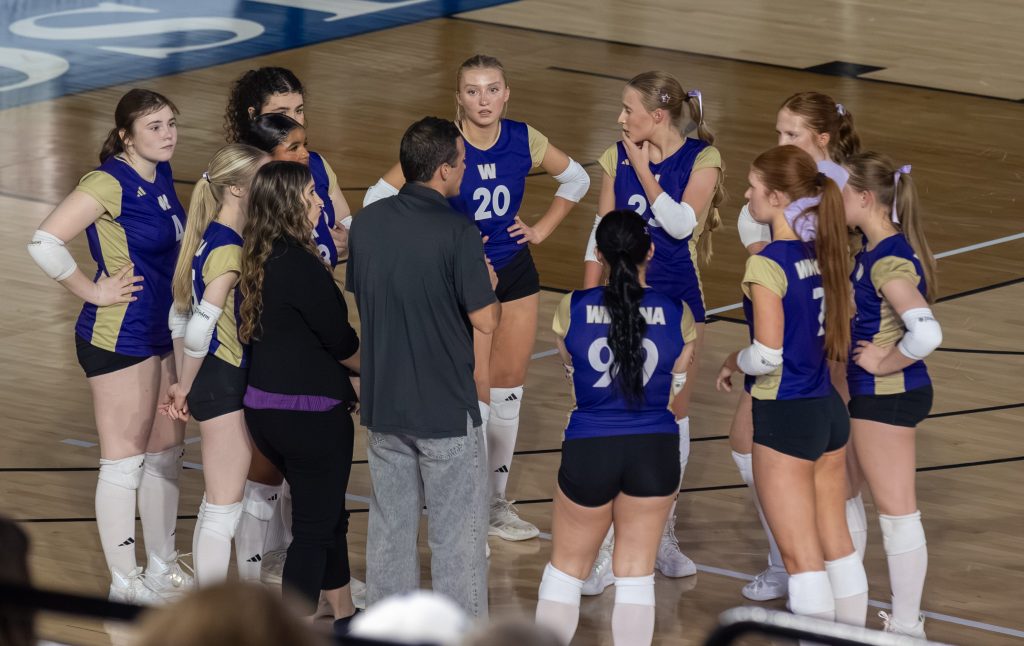
Winona Claims Class 1 Third Place Trophy in Five-Set Victory
Winona claims Class 1 third-place trophy in five-set thriller over Billings Winona secured the Class 1 third-place trophy...

Jefferson City Community Center leaders say council is withholding funds
Funds Frozen, Safety Stalled Leaders of the Jefferson City Community Center say they are caught in a bureaucratic...
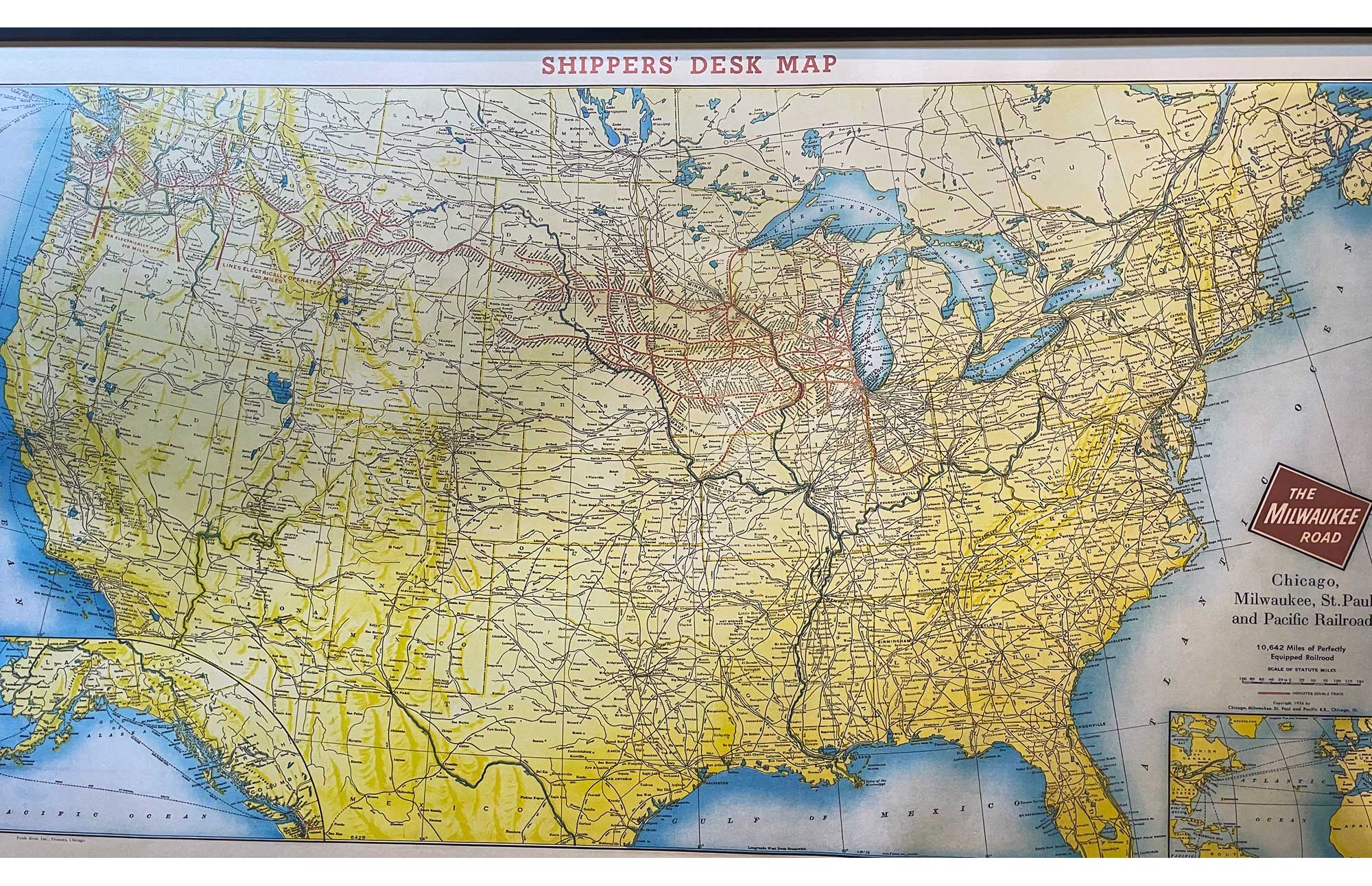
CNU 35 Twin Cities Highlights Historic Mill District Urbanism
Imagine a map. Eight feet wide. It sprawls across a wall, a sprawling web of more than 10,000...