
Jazz guitarist Pat Metheny called Pasquale Grasso “the best guitar player I’ve heard in maybe my entire life” in a February 2016 cover story for Vintage Guitar magazine, adding, “He’s the most significant new guy I’ve heard in many, many years.”
Metheny, a jazz-guitar icon and NEA Jazz Master, said Grasso was doing “something so amazingly musical and so difficult.”
He contrasted the younger guitarist with prevailing trends: “Mostly what I hear now are guitar players who sound a little bit like me mixed with a little bit of [John Scofield] and a little bit of [Bill Frisell]. What’s interesting about Pasquale is that he doesn’t sound anything like that at all.”
Metheny traced Grasso’s model to pianist Bud Powell. “In a way, it is a little bit of a throwback, because his model—which is an incredible model to have—is Bud Powell. He has somehow captured the essence of that language from piano onto guitar in a way that almost nobody has ever addressed,” Metheny said.

Metheny later invited Grasso to his New York home to jam and has since become what the source describes as a generous presence in the guitarist’s life. Born in Italy and based in New York City, Grasso, then 30, developed a technique informed by bebop pioneers such as Powell, Charlie Parker and Dizzy Gillespie, as well as the classical-guitar tradition.
Pat Metheny’s February 2016 Vintage Guitar cover story crystallized the impact of Grasso’s synthesis: the guitarist had absorbed Bud Powell’s piano language so completely that Metheny called him “the best guitar player I’ve heard in maybe my entire life.” That translation was forged through a specific pedagogical lineage.
In summer 1998, Grasso entered Barry Harris’s international bebop workshops in Switzerland, becoming the pianist’s guitar teaching assistant over the next five years and conducting workshops across Europe. Harris, a direct conduit to Powell and Charlie Parker, taught a harmonic and rhythmic approach that Grasso internalized.
A digital-only EP series showcasing Grasso in a solo-guitar format was scheduled for release beginning in June from Sony Masterworks, where his studies of midcentury jazz and classical music “meld into a signature mastery that is, remarkably, at once unprecedented and evocative.”

Columbia-Area Law Enforcement Strained by Violence and Fatal Crash
A wave of violent incidents and a fatal crash strained Columbia-area law enforcement over four days this week,...

Bismarck Approaches Record for Latest First Snowfall of Season
Bismarck has recorded no official snowfall this season as of November 28, approaching the latest first snow on...

Sergey Schepkin Argues Samuel Barber Is Greatest American Composer
Pianist Sergey Schepkin argues that Samuel Barber stands as the greatest American composer in a conversation ahead of...
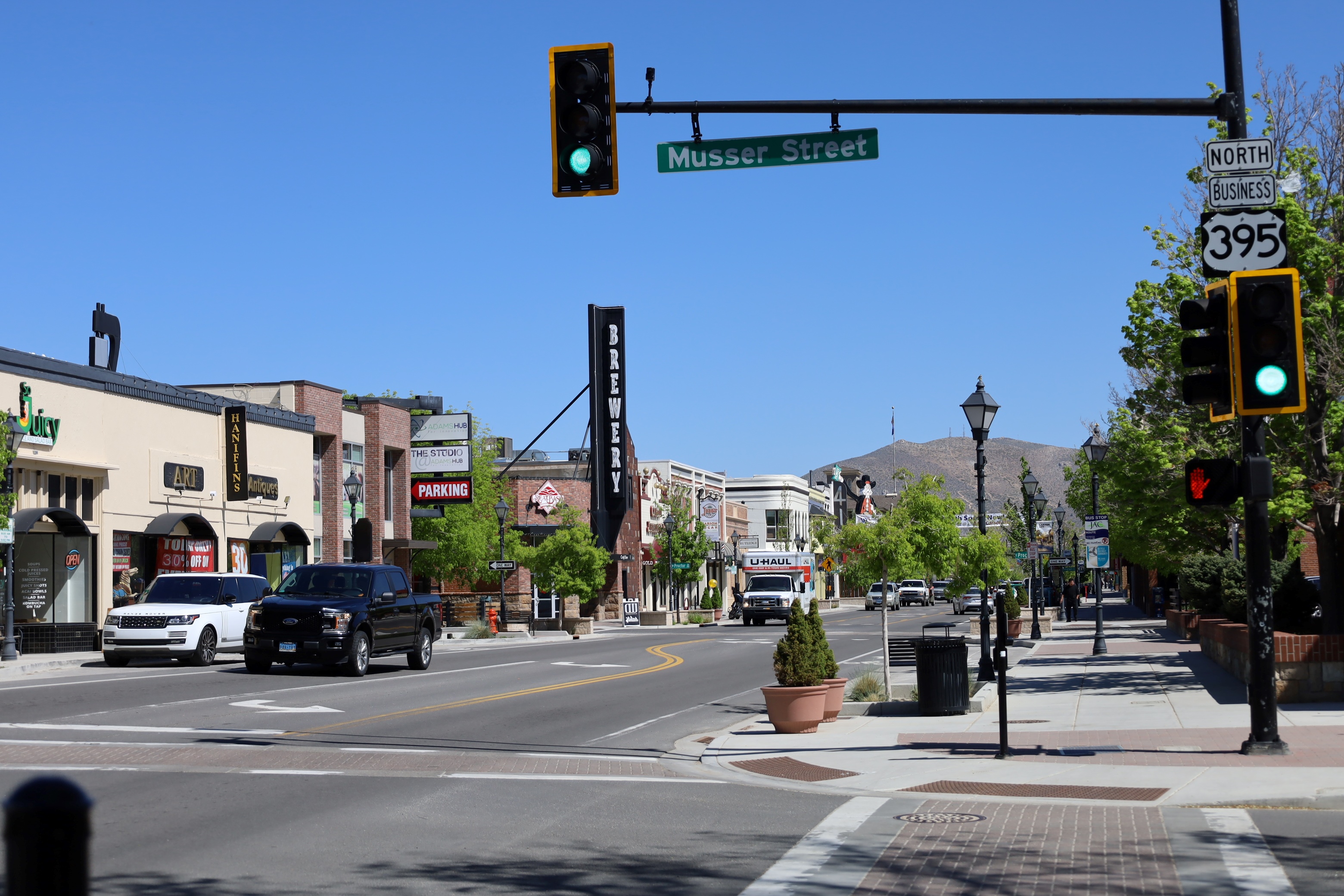
Carson City to Have Two Downtown Street Closures and Lane Restrictions
Drivers in Carson City will face two downtown street closures and more than a dozen lane restrictions starting...