
The Pennsylvania State Board of Education voted 9-5 Thursday to reject a proposal that would have lowered the score thresholds for students to earn an “advanced” rating on state math and reading exams, WHP reported.
The decision keeps the existing cut scores in place for the Pennsylvania System of School Assessment and Keystone exams, but it also leaves roughly 900,000 students and their families waiting for results that are already months overdue.
Department of Education Deputy Secretary Amy Lena told the board the agency must now rescore the 2026 tests under the old standards, a process she said “will take a little bit of time,” according to Chalkbeat.
Board rejects plan to lower advanced benchmark across grades
Under the rejected plan, the proficiency benchmark would have stayed at 1,000 points, but the bar for “advanced” would have dropped across nearly every grade level. The Department of Education argued the update was overdue—the last change came in 2015—and that the spring’s first-ever fully online administration offered a natural moment to recalibrate. Nearly 90 educators helped develop the new standards through a process called Standards Validation.
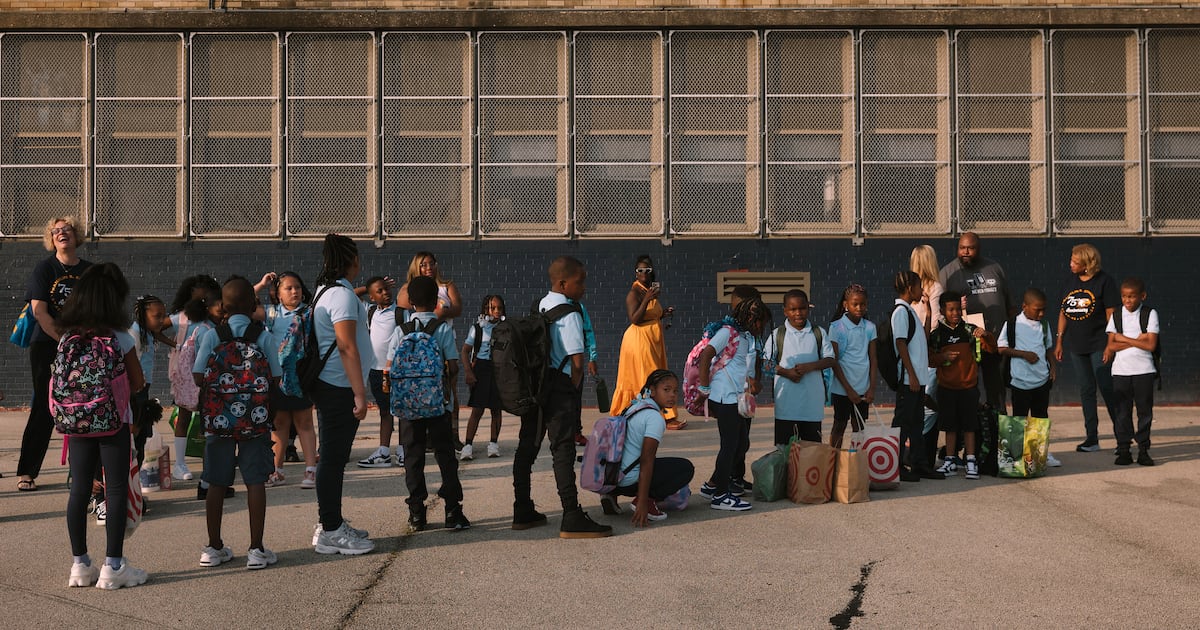
Board members who opposed the plan said the rollout was rushed and the baseline data was flawed. “I’m not convinced that 2026, the year when nearly half the students took the test online for the first time and there were tech issues in its administration … is the right year to serve as our baseline going forward,” said state Sen. Lindsey Williams, minority chair of the Senate Education Committee, who voted no.
She also criticized the department for failing to brief legislators on the board before the public proposal emerged. “There were communication breakdowns that happened at multiple points in the process,” Williams said.
The vote split 9-5 with one abstention. House Education Committee Chair Peter Schweyer was the only legislator on the board to support the change. He acknowledged the timing was imperfect but argued the state had “gone way too long for addressing these cut scores in any kind of systematic or thoughtful manner.”
Board Vice Chair Carol Aichele also voted yes, warning that the delay undermines the tests’ core purpose: “The whole purpose of having these assessments is to inform instruction for the coming year, and right now we’re almost halfway through the current year.”
What “advanced” looks like now
Under the current standards, about one in eight Pennsylvania students in grades 3 through 8 scored advanced in English language arts in 2025, and about one in six did so in math, according to Democrats for Education Reform. The rejected proposal would have swollen those ranks significantly, a shift DFER CEO Jorge Elorza warned would dilute the meaning of the top tier.
“An advanced score should reflect advanced work,” Elorza said. “Students took these tests in the spring, and Philadelphia families need the results to choose a school by Dec. 16. We urge the department to get those results to families on the existing scale as quickly as possible.”
“By cutting test scores, I think that’s missing the point. We want them to keep pushing and striving for more.”
— Zaida Easton, student, during public comment
Philadelphia’s high-stakes waiting game
The delay hits Philadelphia hardest. The district has twice pushed back the deadline for its selective high school application process because families lack the PSSA scores required for admission lotteries. The current deadline is December 16. Without official results, middle school students vying for coveted magnet seats are effectively frozen.

District officials previously said they would release scores within days if the board approved the new cut scores. Now, no timeline exists. The Department of Education said only that it is “determining how best to support students moving forward,” WHP reported.
A decade between recalibrations
The last time Pennsylvania adjusted its math and reading cut scores was 2015. In the interim, academic standards shifted, the pandemic disrupted learning, and the state migrated to mandatory online testing. The department framed the proposal as a routine alignment; critics framed it as a quiet lowering of expectations during a chaotic transition year.

Technical glitches plagued the spring rollout. Williams said that nearly half of students took the exams online for the first time, creating a data set she called unreliable for setting a new baseline. The department countered that the Standards Validation process accounted for the mode change, but the board majority sided with the skeptics.
The department must now run 900,000 tests through the 2015 scoring tables. Lena did not say when districts would see those results. For Philadelphia families, the clock ticks toward December 16. For the rest of the state, the wait continues for data that usually arrives in August—data teachers need to adjust instruction for the year already underway.
Keep reading

Molokaʻi 2 Oʻahu Race Canceled Amid Copyright Lawsuit
The Molokaʻi 2 Oʻahu World Championships race has been canceled for this year after federal copyright infringement litigation...
Alabama Deer Season Opens Amid Dry Conditions; Trophy Bucks Linked to Buck Limit
Gun deer season opens across most of Alabama on Saturday, November 21, but lingering dry conditions, particularly across...
Tech Selloff Extends as Anthropic Drops Premarket and S&P 500 Faces Seventh Decline
The selling pressure extended across global markets, dragging S&P 500 futures lower as the broader index headed toward...

News Guild of Maine Ratifies Contract Covering Nearly 200 Workers with AI Protections
Members of the News Guild of Maine, TNG-CWA Local 31128, ratified a joint union contract with the Maine...