
Pennsylvania Governor Josh Shapiro signed Senate Bill 806, the Artificial Intelligence Deceptive Advertising Act, into law on October 22, 2026. The statute takes effect December 21 and requires advertisers to disclose when AI-generated or significantly modified images, video, or audio create a false consumer perception about the goods or services being sold.
Law applies beyond synthetic performers
Unlike the synthetic performer laws enacted in New York and California, AIDAA covers all forms of synthetic content — images, videos, and audio clips — not just digital depictions of people.
The law defines synthetic content as information “significantly modified or generated by artificial intelligence,” though it excludes content limited to text. Pennsylvania becomes the third state with an AI advertising disclosure mandate, following New York’s June 9 effective date and California’s January 1, 2027 start.
Disclosure must appear at first impression and persist
When a disclosure is required, it must state that “the advertisement contains content that was modified or generated using artificial intelligence.” The notice must appear the first time the synthetic content is presented, in the same medium, and be “permanent or extraordinarily difficult to remove” to the extent technically feasible, the statute says.
The law also codifies a detailed “clear and conspicuous” standard covering size, contrast, duration, audibility, language, and placement across video, audio, digital, and print formats.
Trigger hinges on false consumer perception
Reed Smith noted the statute does not define that phrase, but expects Pennsylvania to borrow the FTC’s deception framework — whether the AI use conveys a message likely to mislead a reasonable consumer in a material way. The firm added that the final bill removed a knowledge requirement, imposing strict liability.
Exceptions and enforcement
The law exempts content that is “evidently fictional based on the content or context of the depiction,” parody, satire, commentary, criticism, and text-only AI output. Enforcement rests with the Pennsylvania Attorney General or district attorneys, who may seek injunctive relief, civil fines up to $3,000 per violation, and attorney fees and costs, according to the bill text.
The House Appropriations Committee fiscal note said the Attorney General’s office plans to hire a deputy attorney general and a technologist to enforce the Act.

Senate debate flagged ambiguity
During floor debate, Senator Jarrett Coleman opposed the bill, arguing that advertising has always used “enhancement” through “professional lighting, idealized staging, [and] models in perfect conditions,” and that the standard provides no “meaningful guidance” on where enhancement ends and deception begins.
Reed Smith advised advertisers to ask whether the underlying deception is fixable through qualification before adding a disclosure, because a disclosure cannot contradict a claim or cure an ad that is fundamentally false.
Compliance steps for advertisers
Ashurst Perkins Coie recommended that advertisers inventory AI use in current and planned campaigns to identify which ones use AI-generated or significantly modified images, video, or audio.
The firm also advised allocating responsibility contractually by addressing disclosure obligations in agency and vendor agreements.
Governor Josh Shapiro, who served as Pennsylvania attorney general from 2017 to 2023, signed Senate Bill 806 into law on October 22, 2026, extending his consumer protection record into synthetic media. As the state’s top prosecutor, he released a landmark grand jury report on clergy abuse and helped secure a $1 billion national opioid settlement for Pennsylvania, establishing a pattern of using enforcement tools to address deceptive practices.
Now serving as the 48th governor of Pennsylvania since 2023, Shapiro approved the Artificial Intelligence Deceptive Advertising Act to require disclosure when AI-generated images, video, or audio create false consumer perceptions about goods or services.
Disclosure may not cure underlying deception
The firm noted AIDAA provides that making the required disclosure “shall not be construed to limit any recourse under law,” meaning a disclosure cannot fix an ad that is false at its core and could instead serve as an admission of material misleadingness.

EPA Proposes Approval of Maryland Interstate SO2 Transport Plan
The Environmental Protection Agency proposed on Thursday to approve Maryland’s state implementation plan revision addressing interstate transport requirements...

Nephi Man Trevor Poulsen Has Brain Tumors Removed Weeks Before Child’s Birth
Trevor Poulsen of Nephi underwent surgery Tuesday night at Utah Valley Hospital in Provo to remove a large...
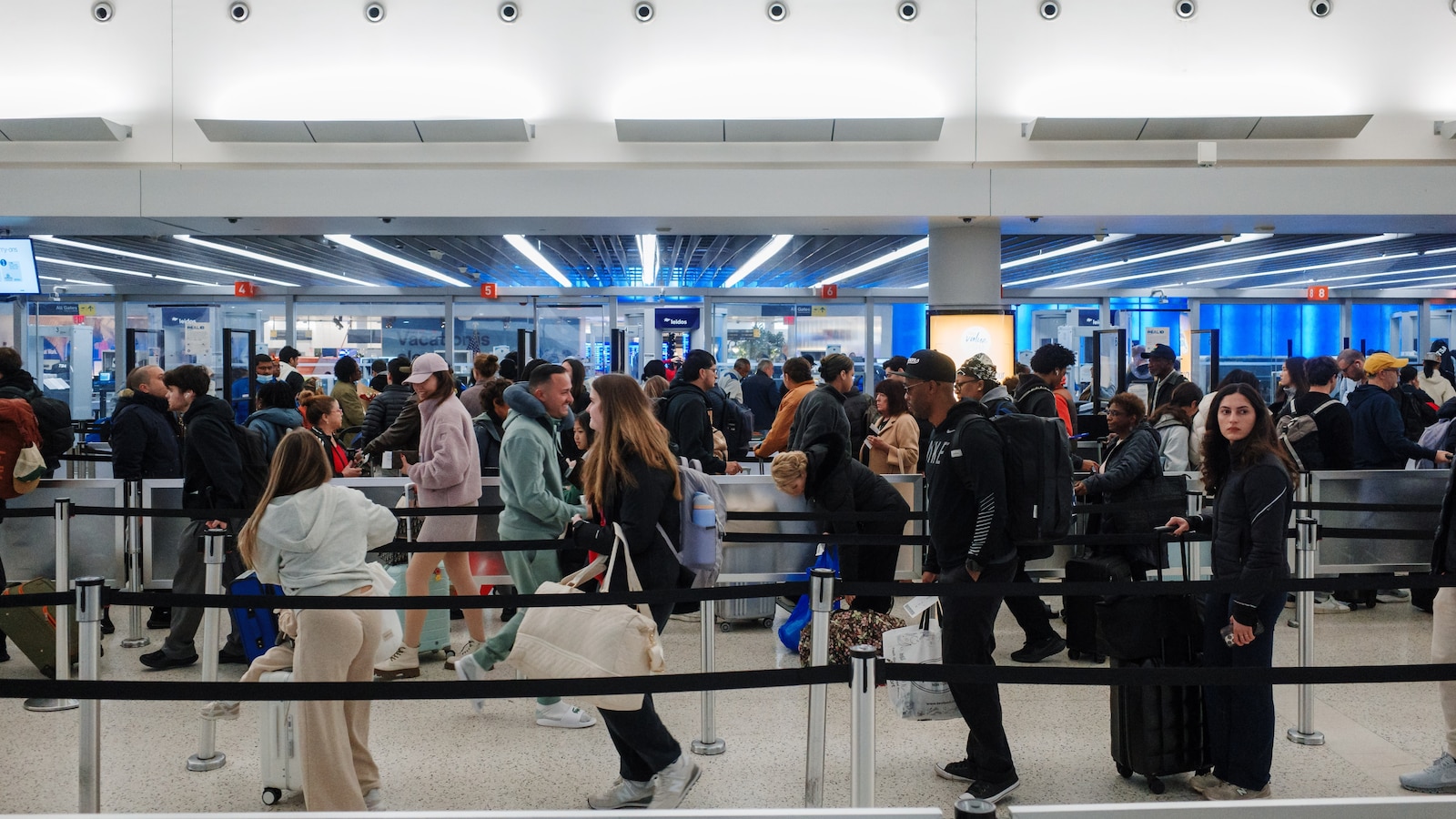
Thanksgiving Travelers Crowded Airports, Confronted Storms, Tech Fears
Millions of Americans crowded airports and highways Wednesday for one of the busiest Thanksgiving travel periods on record,...

Maine Budget Gap Cut in Half to $551 Million as Revenue Forecast Improves
The Maine Revenue Forecasting Committee met Tuesday in Augusta and cut the state's projected General Fund budget gap...