A Pentagon contractor designed a 5,000-square-foot underground bunker in Nevada to store “exotic material or tissue” related to UAP.
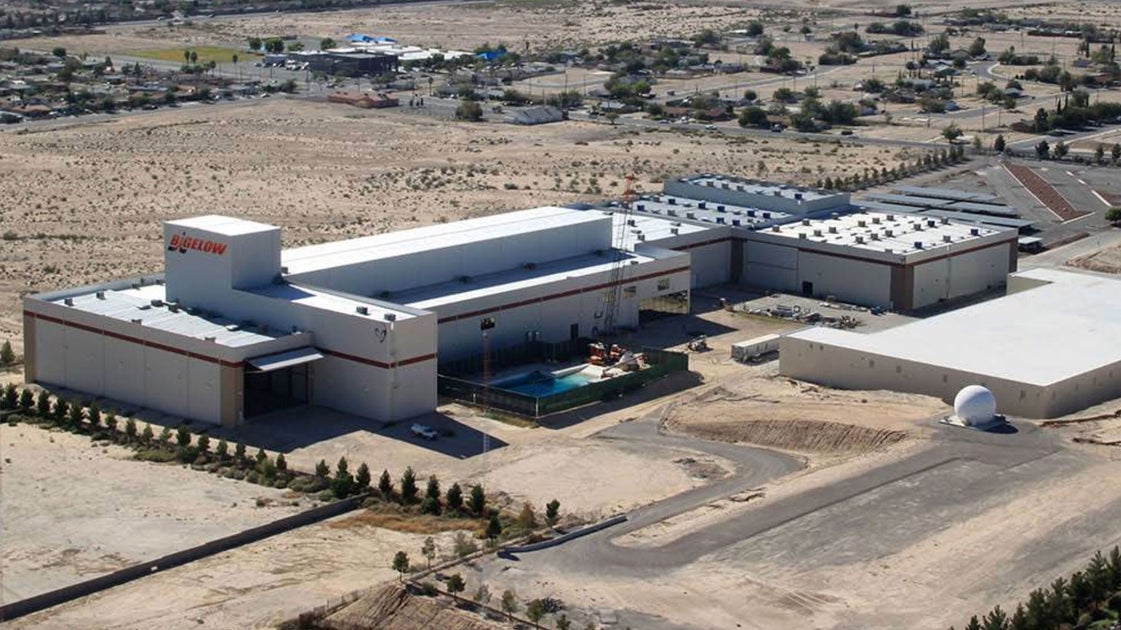
The plans were detailed in a 538-page report by Bigelow Aerospace Advanced Space Studies (BAASS) and released by the Department of War as part of a batch of UAP records. The facility was to be buried 15 to 20 feet deep, protected by 3-foot-thick concrete walls and a steel vault door, with a heavily guarded access tunnel.
The proposed repository was intended to hold acquired hardware and biological samples from unidentified anomalous phenomena. BAASS proposed the facility as it pursued materials from the corporate world and private individuals, including in Brazil.
The project emerged from the Advanced Aerospace Weapon System Applications Program, funded with $22 million after a $10 million congressional earmark directed by then-Senate Majority Leader Harry Reid and the late Sen. Daniel Inouye. In a June 24, 2009, letter to Deputy Defense Secretary William Lynn III, Reid warned of “highly sensitive, unconventional aerospace-related findings” and requested a “Restricted Special Access Program.” He proposed a 14-person “Bigoted Access List,” including himself, Inouye, Lynn, and three BAASS contractors.
However, DIA leadership did not agree the work warranted top-secret classification.
In a Nov. 13, 2009, memo, DIA Deputy Director Letitia A. Long wrote that all program documents delivered that year were unclassified because the contractor had not established a secure facility. She noted federal regulations prohibit classifying basic scientific research unless it clearly relates to national security.
DIA Director Lt. Gen. Ronald L. Burgess Jr. later wrote that he and Lynn told Reid the reports were of “limited value to DIA,” recommending the project be moved out of the intelligence agency. The program did not continue beyond its second year.
The documents do not establish whether the bunker was ever built or if any materials were obtained, HuffPost reported. A Defense Intelligence Agency official reportedly said BAASS’s reports had “limited value,” and the Pentagon’s study of potential future aerospace threats ended in 2012.
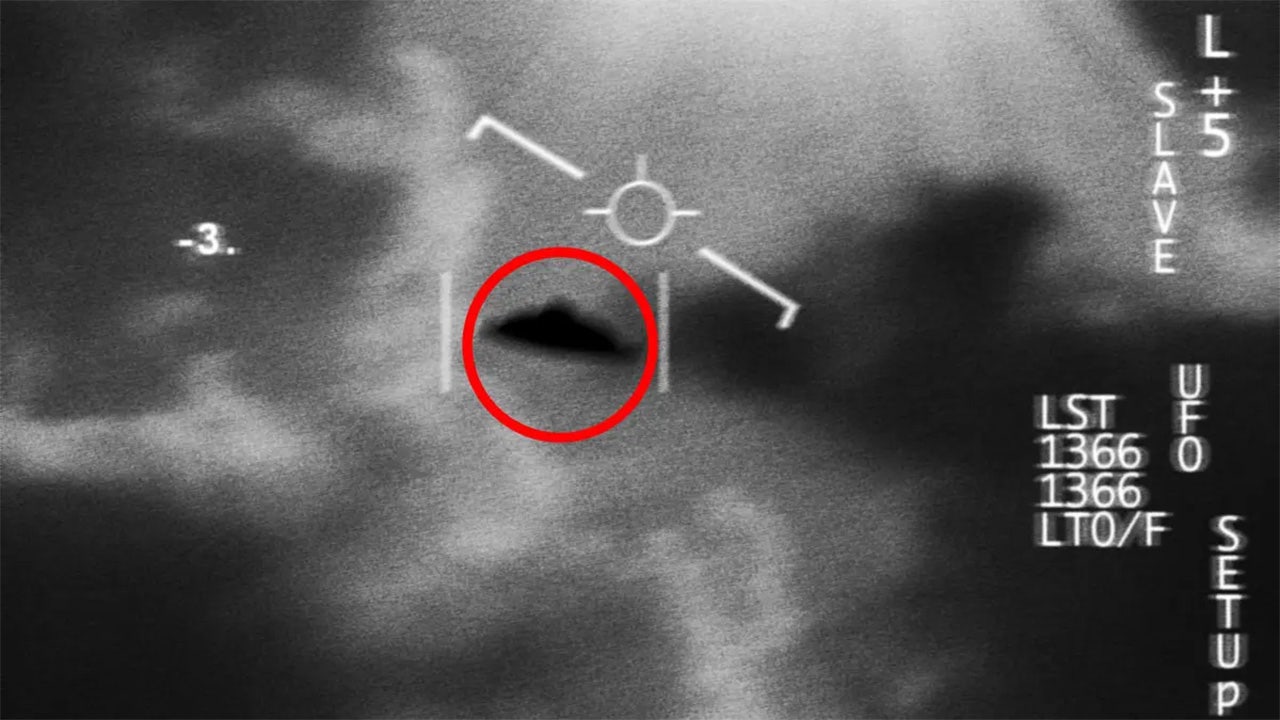
The declassified files released on Friday also included three newly declassified infrared and electro-optical sensor videos submitted by U.S. Central Command to the All-domain Anomaly Resolution Office (AARO). Pentagon officials noted the video descriptions do not reflect analytical conclusions about the nature or significance of the objects.
The Department of War said it will release more files on a rolling basis.
Company names and logos were removed from the outside.
The company’s report detailed its efforts to investigate UFO sightings and interview eyewitnesses, including taking fingernail clippings from some witnesses for analysis of potential radiation exposure.
The report also included summaries of 26 contracted research papers on topics like “interstellar travel via traversable wormholes,” “warp drive, dark energy, and the manipulation of extra dimensions,” and “theory and experiments of invisibility cloaking.”
The BAASS report appears to go beyond theoretical research.
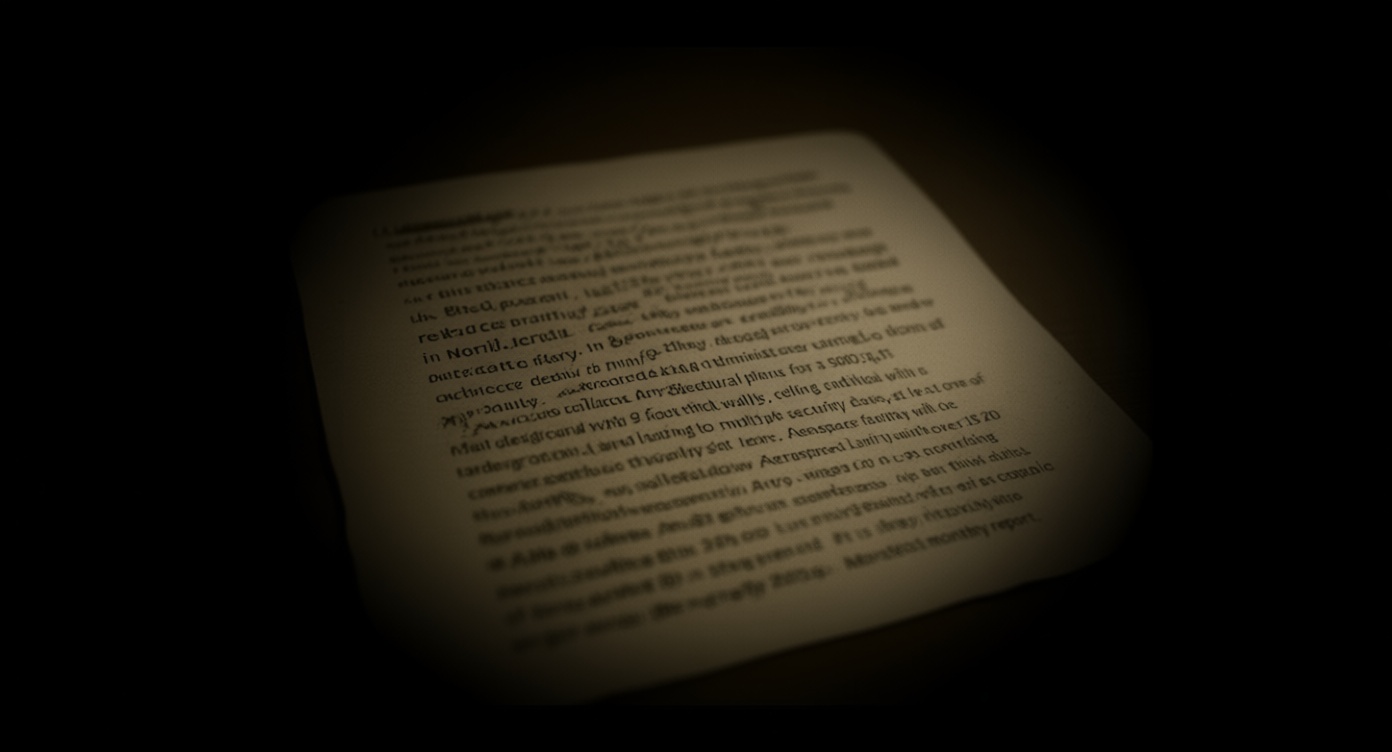
The research topics included “interstellar travel via traversable wormholes,” “theory and experiments of invisibility cloaking” and “warp drive, dark energy, and the manipulation of extra dimensions.”
Keep reading

Argus Leader Lists Sioux Falls Holiday Light Displays This Season
The Argus Leader has published its annual guide to residential holiday light displays in Sioux Falls, listing eight...
Hawaii Lawmakers Briefed on AI Policy as Big Island Vote Nears on Data Center Ban
Hawaii state lawmakers held a joint briefing Wednesday on artificial intelligence policy as Hawaii County Council prepares to...
Minnesota Supreme Court Rules Minneapolis Public Housing Authority Exempt From Rental Licenses
The Minnesota Supreme Court ruled on Wednesday that the Minneapolis Public Housing Authority is not required to obtain...
AFRO News Publishes Community Reflections on Season of Gratitude
AFRO News published reflections from Baltimore community leaders on what they are most grateful for this season. The...