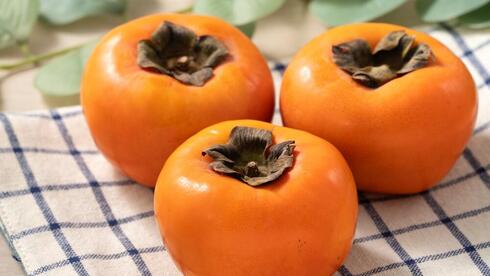
Ynetnews reported that Israeli doctors are warning that persimmons can form hard, obstructive masses in the stomachs of people with certain digestive conditions.
The fruit’s tannins, concentrated in astringent varieties and unripe fruit, bind with fiber and food particles to create a bezoar — a solid mass that may block the stomach or intestines. Medical literature documents cases requiring endoscopic removal or surgery, though the complication remains rare in the general population.
Risk rises sharply for anyone who has had gastric surgery, including bariatric procedures, or who lives with gastroparesis, a condition that slows stomach emptying. People with a history of intestinal obstruction, prior bezoars or significant motility disorders should consult a physician or registered dietitian before making persimmons a regular part of their diet, the report said.
A medium persimmon weighing about 168 grams delivers roughly six grams of dietary fiber, along with beta-carotene, vitamin C and potassium. It also contains about 31 grams of carbohydrates, including 21 grams of natural sugars — a consideration for people with diabetes or prediabetes who must match portions to their individual carbohydrate targets. No universal daily safety limit exists; for healthy adults, one medium persimmon fits comfortably in a varied diet.
Ripeness matters. Astringent varieties should be eaten fully ripe, when tannin levels drop, while non-astringent types such as Fuyu can be consumed firm. Chewing thoroughly and eating the fruit whole preserves fiber; peeling does not eliminate bezoar risk for those with underlying vulnerabilities.
Severe abdominal pain, repeated vomiting or an inability to pass stool or gas after eating persimmons warrants urgent medical evaluation.
Persimmons originated in southern China more than 2,000 years ago and spread to Japan before reaching other parts of the world. Ancient Jewish texts mention a plant with the same Hebrew name, Afarsemon, that was used to produce valuable perfumes near the Dead Sea; that plant was unrelated to the modern fruit.
Keep reading
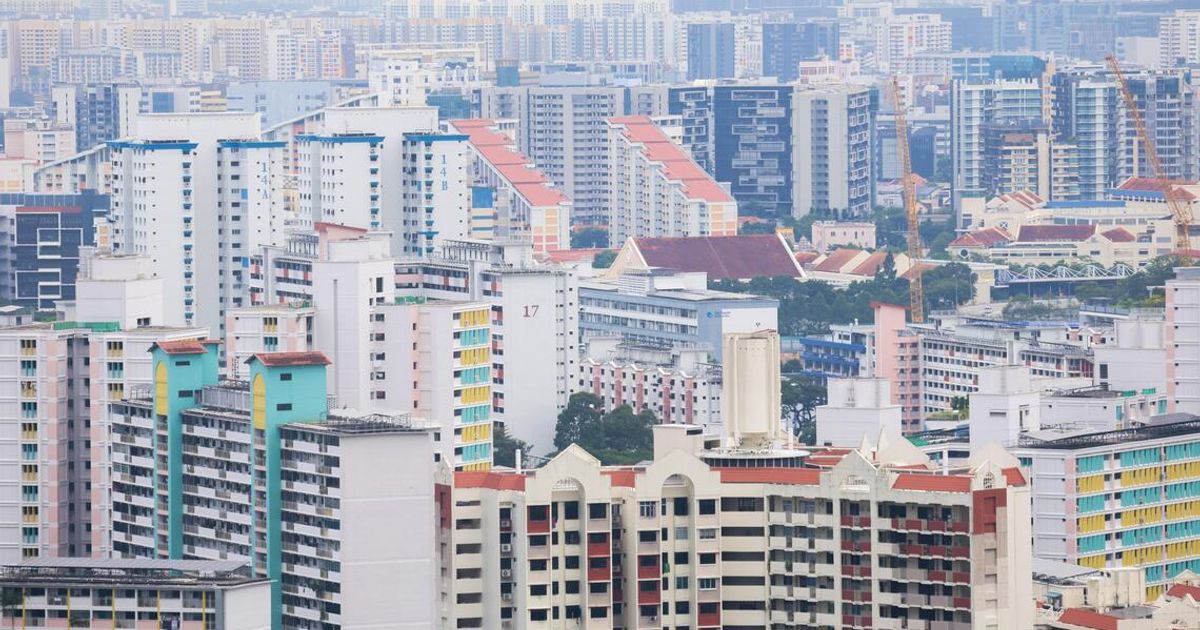
Singapore Announces 2027 Property Tax Rebate, Raises AV Thresholds for Social Support
Singapore will give owner-occupiers a one-off property tax rebate in 2027 and raise the annual-value thresholds that gate...

The Galaxy Z Fold8 Is Basically the iPhone Duo for Android Fans, Only Lighter and Now Cheaper Than Ever
The discount brings the 256 GB model down from its $1,899 launch price, arriving the same week the...

Pakistan’s FDI Falls 34% Despite Stability as Investors Cite Policy Unpredictability, High Costs
Pakistan secured macroeconomic stability in FY26 but net foreign direct investment fell 34 per cent to $1.64 billion,...

Netflix Documentary Reveals Tyson Fury Diagnosed as ‘Mild Schizophrenic’
Paris Fury says her husband was diagnosed as "a mild schizophrenic" after years of mental health struggles Fury...