
Trenton and Mercer County Funders Debate Equity in Grantmaking
Philanthropy in New Jersey is facing a moment of institutional introspection. As the Council of New Jersey Grantmakers (CNJG) prepares to convene a panel of funders on November 6, 2026, the central question remains whether current distribution models actually reach the communities they intend to serve. The upcoming session, hosted by the Smith Family Foundation and moderated by Katherine Nunnally, will bring together representatives from corporate, family, and community foundations to analyze the structural mechanics of their own giving.
The dialogue centers on a persistent critique in the nonprofit sector: the tendency for philanthropic capital to congregate within a small, established circle of organizations. This trend often leaves grassroots initiatives, fiscally sponsored groups, and smaller, community-embedded nonprofits struggling to secure the resources necessary for sustained impact. By utilizing the New Jersey Philanthropy Hub database, powered by Impala, the panel aims to move beyond anecdotal frustration and examine the actual data points that define local funding ecosystems.
The Disconnect Between Intent and Allocation
For grantmakers, the “so what” of this analysis is immediate. If a significant portion of funding remains concentrated in larger institutions, the long-term viability of hyper-local, community-led projects is directly threatened. The panel will feature perspectives from Danielle Naiberk of Johnson & Johnson, Amber Randolph of the Robert Wood Johnson Foundation (RWJF), and Michelle Ruess of the I Am Trenton Community Foundation. Their participation acknowledges that while corporate and private foundations have increasingly adopted “equity” as a core pillar of their mission statements, the practical application of that policy often hits structural barriers.
Data from the Council of New Jersey Grantmakers indicates that the session is specifically designed for staff and trustees, emphasizing that the burden of changing these patterns rests on those who hold the checkbooks. The event is free for CNJG members, while non-member grantmakers are charged $95. This pricing structure reflects the industry’s desire to keep the conversation contained within the professional grantmaking community, where the mechanisms of decision-making are most rigid.
Structural Barriers and the Data Gap
The reliance on the Impala-backed New Jersey Philanthropy Hub is a deliberate move to force transparency. Historically, philanthropic giving has been characterized by opacity, making it difficult for nonprofits to understand why they are passed over in favor of others. By mapping the flow of dollars in Trenton and Mercer County, the organizers are creating a visual representation of the “insider” versus “outsider” dynamic in local funding.

Critics of current models often point to the high administrative burden required to win grants—a barrier that naturally favors large organizations with dedicated development staff. Smaller, community-based groups, which are often closer to the day-to-day realities of the residents, frequently lack the capacity to compete in these complex application environments. The panel will explore whether these decision-making frameworks are designed to mitigate risk for the funder rather than maximize impact for the community.
Reframing the Philanthropic Ecosystem
The discussion is not limited to those who currently fund in Trenton or Mercer County. The organizers are positioning this as a broader masterclass in equitable grantmaking, applicable to any organization concerned with how its capital reaches the ground. This reflects a wider shift in the American philanthropic landscape, where the traditional model of “top-down” giving is being challenged by demands for greater accountability and community-led decision-making processes.

Despite the focus on equity, the industry faces a significant counter-argument: the need for fiduciary responsibility. Many larger foundations argue that established nonprofits with proven track records are the safest vehicles for ensuring that funds are not mismanaged. This tension between the “proven” institution and the “emerging” grassroots group remains the central friction point for every foundation represented on the panel.
The upcoming meeting serves as a test of whether these institutions are willing to accept higher operational risks in exchange for deeper community penetration. As the sector continues to evolve, the ability to pivot from traditional, legacy-based funding to more inclusive, data-informed models will likely determine which organizations remain relevant in the coming decade.

Ajay Mitchell Scores Career-High 35 as Oklahoma City Thunder Rout Memphis Grizzlies
Ajay Mitchell’s Career Night Highlights Thunder’s Dominant Run The Oklahoma City Thunder’s 128-97 victory over the Memphis Grizzlies...
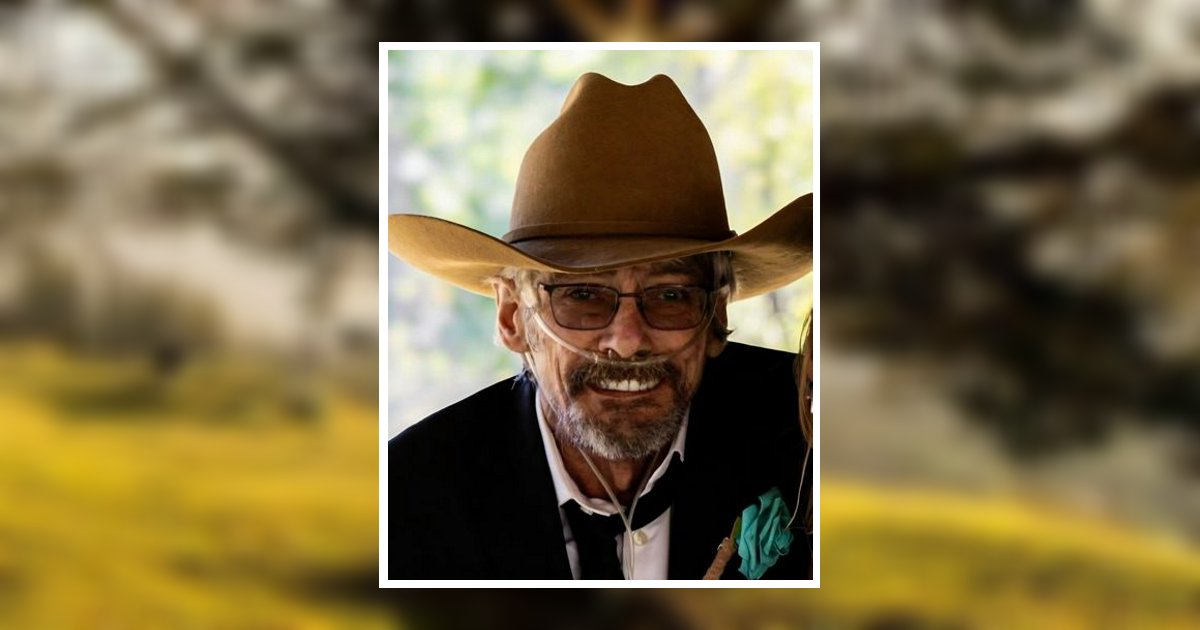
Obituary: Owen Leroy Smith, 60, of Garretson, South Dakota
Owen Leroy Smith: A Life Measured by Connections and Community Owen Leroy Smith, a man whose life spanned...

Dougherty County Mother Indicted in Death of 3-Year-Old Son
India Swiney indicted in death of 3-year-old Braxton Swiney A Dougherty County mother is facing a seven-count indictment...
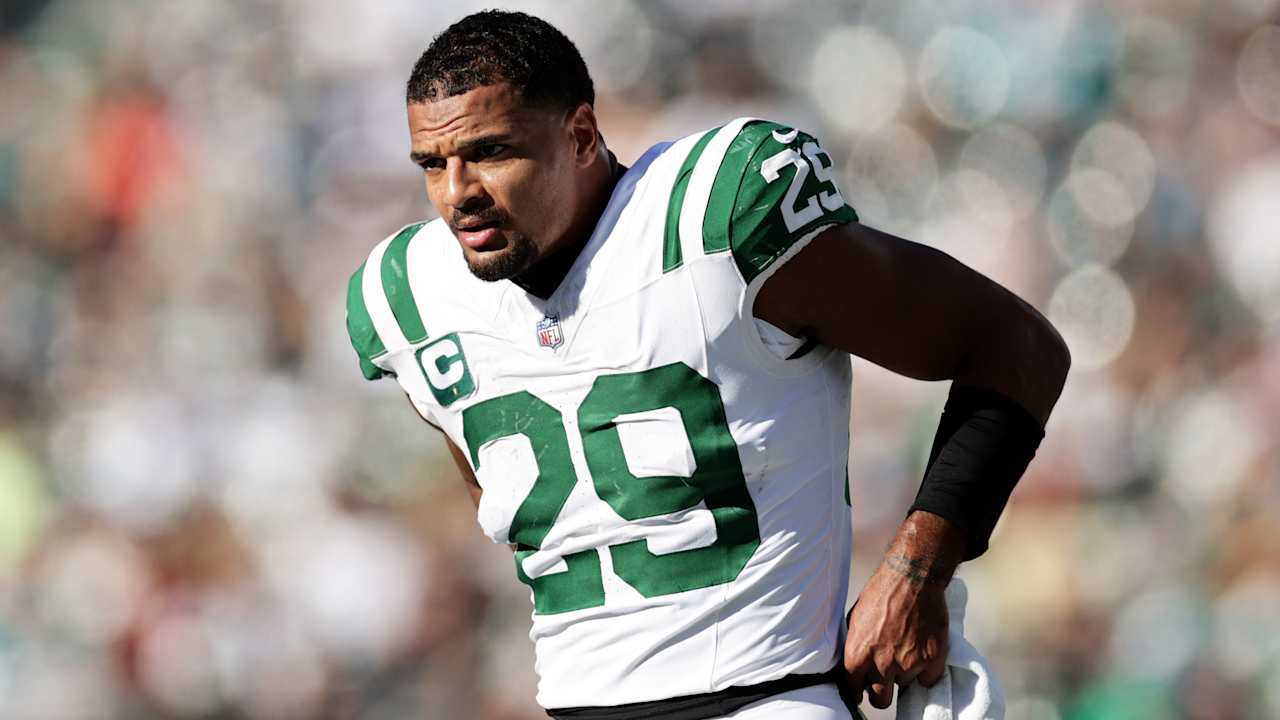
Minkah Fitzpatrick focuses on Chiefs after comments about Jets identity
Minkah Fitzpatrick is looking to turn the page. As the New York Jets prepare for a high-stakes showdown...