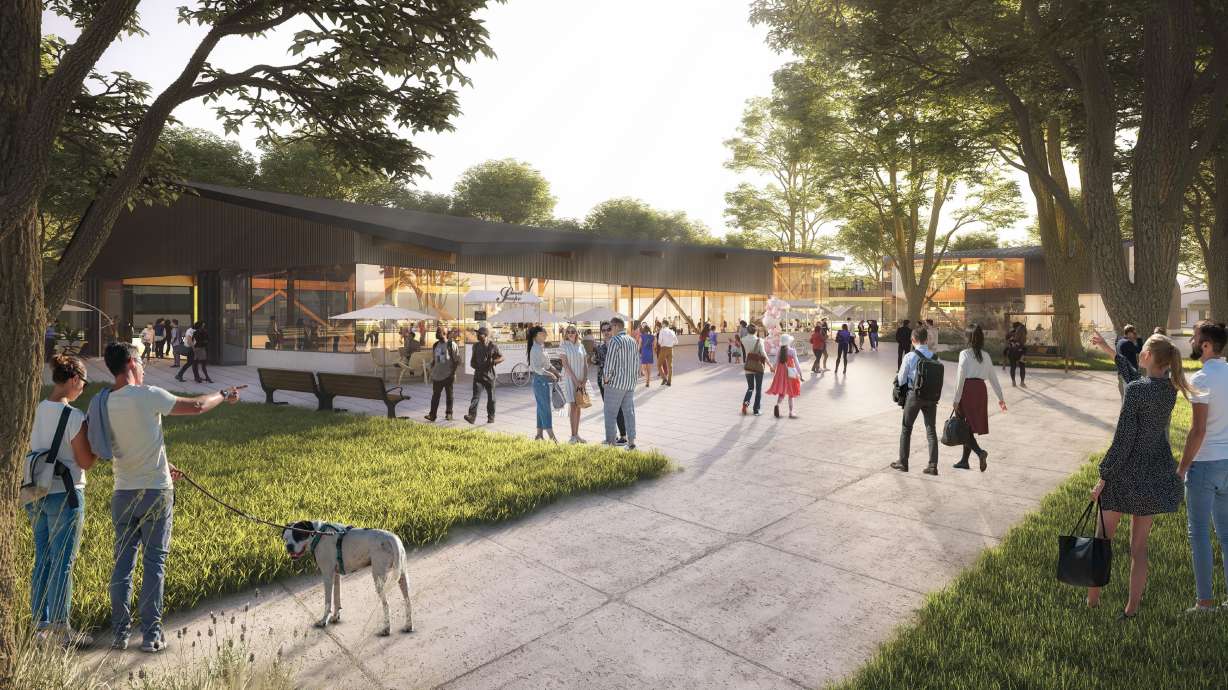
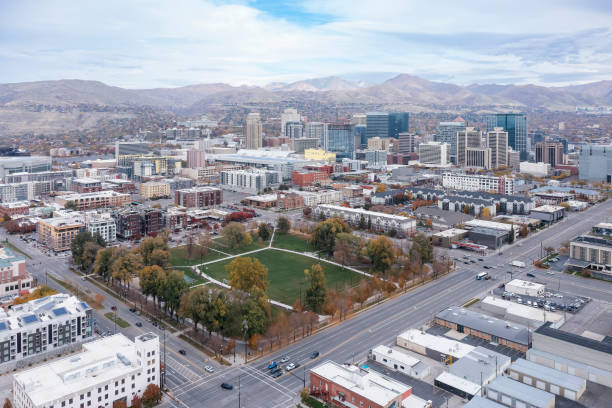
“There wasn’t a construction and ownership structure that met the needs of both the city and the alliance, so that effort has come to a close,” the Salt Lake City Downtown Alliance announced on Tuesday, effectively ending a year-long push to build a permanent home for the downtown farmers market. The decision marks the collapse of a highly anticipated project intended to transform Pioneer Park into a year-round hub of activity, according to a report by ksl.com.
For the nonprofit organization, the dream of a permanent structure at the 350 S. 300 West location was more than just a real estate venture; it was a strategy to reshape the reputation of a park that has struggled with public perception for decades. While the ambitious plan to construct a dedicated building has fizzled, the community is left weighing the loss of a potential weekday economic engine against the immediate reality of a revitalized park space.
Financing and ownership hurdles stall the $25 million vision
The project, which was first announced in May 2025, carried an estimated price tag of between $20 million and $25 million. Despite endorsements from city leadership, the math simply stopped working for those tasked with making it a reality. Blake Thomas, Salt Lake City’s senior advisor on real estate and capital projects, noted that the lack of dedicated municipal funds was a decisive factor in the project’s demise.

“Ultimately, I think it came down to the funding… The city didn’t have a budget allocation or earmark funding to construct the building. As it progressed, it came to a point where the (Downtown Alliance) deemed the financing infeasible,” Thomas told ksl.com.
The impasse wasn’t just about the raw numbers, but about the legal and logistical complexities of who would actually hold the deed to the building. The Downtown Alliance and the city had been working toward a public-private partnership—a model where the nonprofit would manage park operations—but they could not reach an agreement on a construction and ownership framework that satisfied both parties’ requirements.
This struggle highlights a common tension in urban development: the gap between a city’s desire for increased “activation” and its ability to fund the heavy infrastructure required to sustain it. While Mayor Erin Mendenhall had supported the idea, noting that a permanent building could allow for weekday markets to boost local activity, the city’s inability to provide a budget allocation meant the burden fell largely on the nonprofit.
Pioneer Park reopens with a new look but no permanent roof
While the permanent market building is off the table, the physical landscape of Pioneer Park is undergoing a significant change. The park has been closed for a months-long overhaul, a project designed to improve safety and family-friendliness. That renovation is scheduled to be completed on November 13, just one day before the weekly winter market begins.

The timing of the project’s end creates a strange dichotomy for the downtown core. On one hand, the city is investing in the park’s “chemistry” through upgrades that aim to make the space more inviting. On the other, it is walking away from the very structure that would have guaranteed consistent, daily foot traffic.
Dee Brewer, the director of the Downtown Alliance, has long viewed the farmers market as a tool for civic reclamation. The nonprofit has maintained the market every summer Saturday for 34 years, using it as a consistent presence in a space that has faced long-standing challenges. The failure to secure a permanent building means the market will remain subject to the whims of the seasons, at least for the time being.
The search shifts toward the old Leonardo Museum
The Downtown Alliance is not abandoning its mission to find a permanent home for its winter operations. Instead, the organization is pivoting its focus toward the old Leonardo Museum building at 209 E. 500 South. This location served as an emergency option last year, and the city has already taken steps to accommodate its potential return as a permanent site.
To prepare for the possibility of the museum becoming a dedicated winter market hub, the city recently removed two historic planes that had been housed at the site to clear necessary space. Thomas indicated that the city remains open to making the old museum the permanent winter site, following its successful debut last year.
For residents and local vendors, the immediate timeline is clear. The weekly winter market is set to begin on November 14. While the grand vision of a multi-million dollar facility at Pioneer Park has been shelved, the immediate focus remains on maintaining the seasonal momentum that keeps the downtown district active during the colder months.
“The goal behind (a permanent market) hasn’t gone anywhere,” the Downtown Alliance stated, emphasizing that while the location for the winter market has changed, the pursuit of a stable, year-round home continues.
Keep reading
West Virginia HB 4195 Proposes Two-Year Cap on Electric Rates
West Virginia lawmakers move to freeze rising electric utility rates West Virginia residents facing skyrocketing monthly utility costs...
Forest Service Hires Seasonal Fire Suppression Staff in Olympic National Forest
Olympic National Forest begins hiring for 2027 seasonal fire suppression roles The U.S. Forest Service is opening applications...

Mark Warner projected to win reelection in Virginia Senate race
Democratic Senator Mark Warner Projected to Win Reelection in Virginia Democratic Senator Mark Warner is projected to win...

Austin Election Guide: What to Know About Prop I and Other Ballot Propositions
Austin voters face a choice on mandatory financial audits Austin residents are heading to the polls this Tuesday,...