West Virginia lawmakers move to freeze rising electric utility rates
West Virginia residents facing skyrocketing monthly utility costs may soon see some relief if a new legislative proposal passes. House Bill 4195, introduced by Delegate Hansen during the 2026 Regular Session, seeks to implement a two-year cap on electrical utility rates across the state. The bill targets what the legislation describes as a “rocket ride” of increasing costs that has placed a heavy burden on households and local industries alike.
The push for this cap comes as a response to significant longitudinal shifts in energy pricing. According to the text of House Bill 4195, electric rates in West Virginia more than doubled between 2005 and 2022. This surge reportedly outpaced rate increases in every other state in the country, creating a unique economic pressure point for the Mountain State.
For many West Virginians, these numbers aren’t just statistics; they represent a fundamental shift in household budgeting. The bill’s legislative findings highlight that because West Virginia holds the second-lowest median income in the nation, these escalating costs hit residents harder than in most other regions. The legislation specifically notes that for many, particularly elderly residents living on fixed monthly Social Security checks, the electric bill often becomes the single highest monthly expense, especially during the extreme temperature swings of summer and winter.
A temporary freeze to stabilize the economy
The mechanics of the proposed law are specific about how this relief would function. If enacted, the Public Service Commission would be required to establish capped rates for each electric utility. These rates would apply to customers purchasing both generation and distribution services at the then-current rates. The cap is designed to remain in effect until July 1, 2027.

While the bill aims to halt the upward trajectory of general rates, it does include a provision for flexibility regarding volatile energy markets. The Commission would retain the authority to adjust these capped rates specifically to allow utilities to recover costs associated with fuel and purchased power. This distinction is intended to ensure that while the base rates stay steady, the utilities can still manage the direct costs of the energy they consume.
The implications of the bill extend beyond the kitchen table and into the state’s broader economic development strategy. The bill argues that high electricity costs act as a deterrent to West Virginia’s ability to attract new technology-driven industries. Specifically, the text points to the needs of data centers and other high-consumption industries that require large, predictable amounts of electricity to operate effectively. By stabilizing rates, proponents hope to make the state a more competitive destination for these high-growth sectors.
The tension between consumer relief and utility stability
While the bill focuses on consumer protection, any move to cap utility rates naturally invites scrutiny regarding the long-term health of the energy grid. The core tension lies in balancing immediate relief for low-income residents against the necessity of providing utilities with the capital required to maintain infrastructure and transition energy sources.
Critics of such measures often argue that artificial price caps can lead to deferred maintenance or reduced investment in grid reliability. If a utility cannot adjust its rates to reflect the actual cost of doing business, there is a risk that the very infrastructure providing the power could suffer. However, HB 4195 attempts to mitigate this by allowing adjustments for fuel and purchased power, essentially shielding the consumer from general rate hikes while allowing the utility to pass through the direct costs of the energy itself.
The bill’s current status, as tracked by the West Virginia Legislature, shows it has been referred to the Committee on Energy and Public Works and subsequently to the Finance Committee. The outcome of these committee hearings will determine whether the proposal moves to a full floor vote.
As the session progresses, the debate will likely center on whether a two-year cap is a sufficient remedy for a trend that has been building for over two decades, or if the state requires a more permanent overhaul of how the Public Service Commission regulates energy pricing in an era of shifting economic realities.

Man Arrested for Impersonating Veterinarian at East Nashville Clinic
Prashant Pandya arrested for allegedly impersonating a veterinarian in East Nashville Prashant Pandya, a 45-year-old man, was arrested...
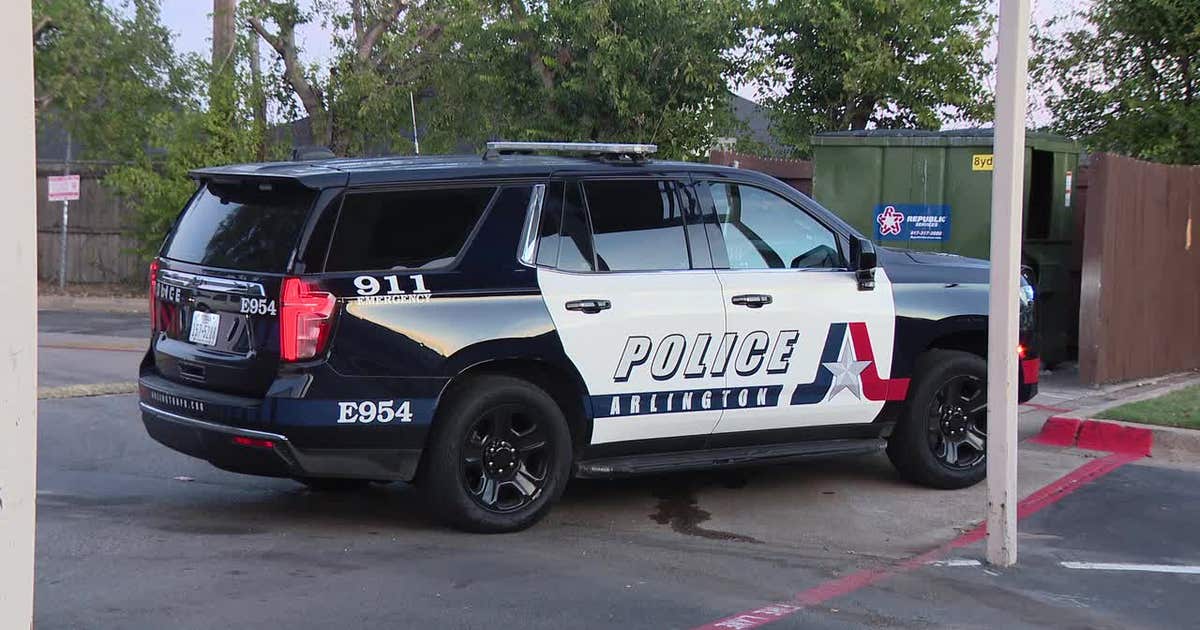
Yoan Del Risco Falcon, 18, Killed in Arlington Parking Lot Shooting
U.S. Marshals apprehend teenage suspect in South Dakota Federal law enforcement officers have taken a teenager into custody...

Melanie Greer Huff, Journalism School Dean of Student Affairs, Dies
Melanie Greer Huff, long-time Columbia Journalism School dean, has died Melanie Greer Huff, a fixture of the Columbia...

Gen. Dan Caine Visits U.S. Naval War College via Quonset Airport
General Dan Caine, the Chairman of the Joint Chiefs of Staff, arrived at Quonset State Airport in North...