
Downtown Portland is facing its highest vacancy rate on record, an economic shift that has transformed the city’s urban core from a bustling commercial hub into a collection of shuttered storefronts and empty office floors.
A new survey released by the Portland Metro Chamber quantifies the scope of this decline, linking the trend to the departure of roughly 8,000 downtown workers and a wave of major corporate exits.
The exodus is no longer limited to smaller enterprises. Industry staples like U.S. Bank, which previously maintained a downtown presence of over 2,000 employees, and The Portland Clinic, which employed 500, have both vacated the area.
These losses have triggered a cascading effect, hitting the service economy that relies on a consistent daytime population. As KATU reported, the vacancies reach far beyond desk jobs, stripping away steady work for elevator technicians, custodians, plumbers, and electricians who maintain the district’s infrastructure.
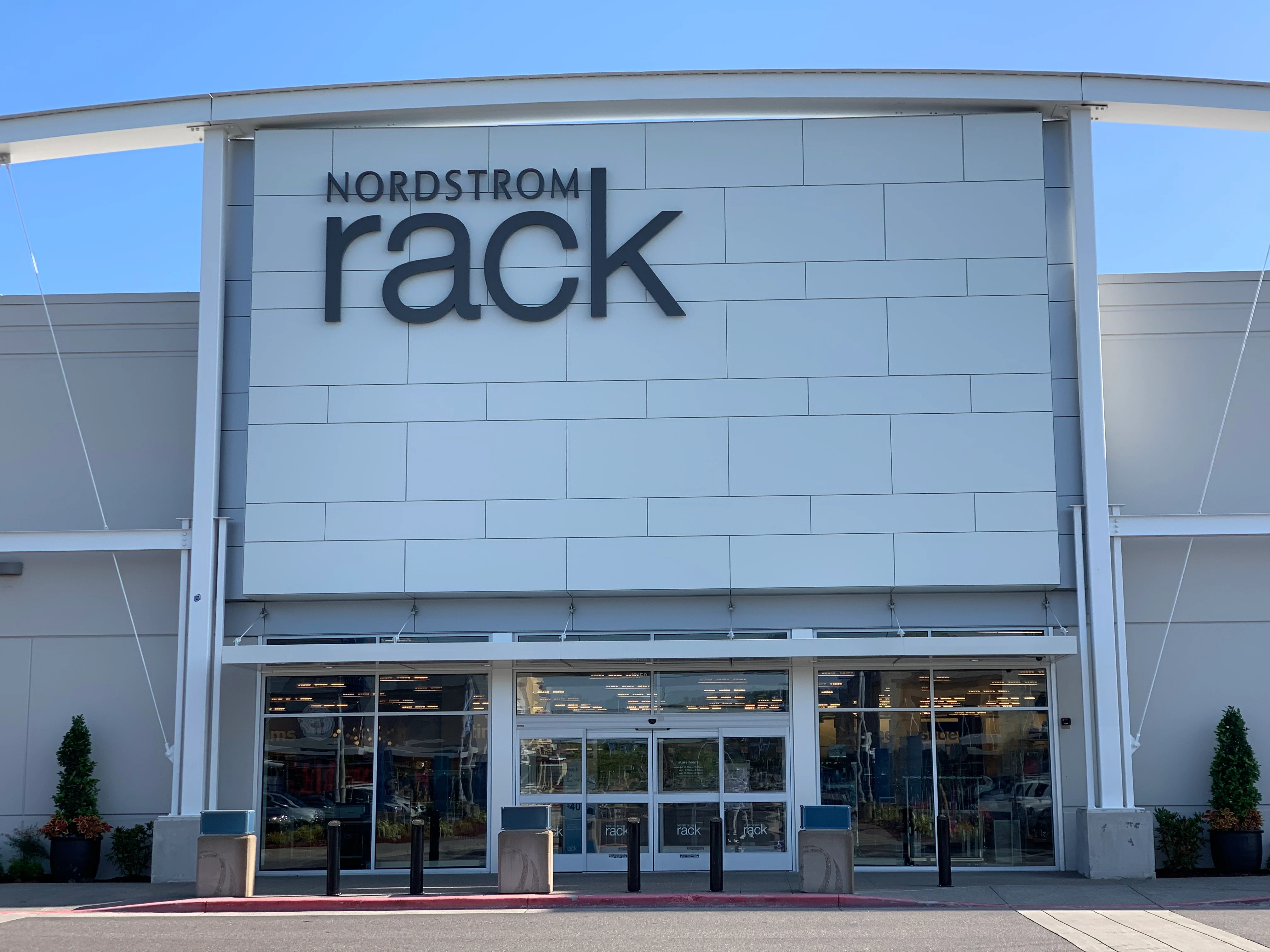
Regional data supports these economic findings. The Oregon Employment Department said that the Portland metro area shed more than 22,000 jobs during the 12-month period ending in April. This contraction has left remaining retailers, including those who have managed to hold on despite the departure of anchors like Target and Nordstrom Rack, struggling to find a viable customer base.
For the business owners who remain, the primary challenge is not just economic, but psychological. Many report that their most loyal customers have stopped visiting due to a persistent perception of instability.
Eric Murphitt of Mercantile Portland pointed to a combination of factors driving this avoidance, noting, “We still hear from many of our loyal customers that they avoid coming downtown due to a perception that it is not as safe as it once was.”
Murphitt specifically cited the visibility of open drug use, reduced police presence, and the lack of comprehensive care for individuals struggling with mental health issues as central drivers of this decline.

The reality on the street is often more volatile than the aggregate statistics suggest. While Portland Police Bureau data indicates a decrease in reported car thefts and robberies compared to last year, other categories—specifically shoplifting and sex offenses—have trended upward. For those working in the district, these numbers provide little comfort in the face of daily unpredictability.
Anita Pass, of the Dossier Hotel, recently detailed a harrowing encounter that illustrates the personal toll of this environment. “I need to start by saying we are not OK. On October 15th, I was standing next to a man when he pulled out a box cutter and lunged. I ran into the hotel and held the lobby door shut,” Pass told KATU.
The situation creates a complex dilemma for city planners and civic leaders who must balance the need for immediate public safety interventions with the long-term goal of economic revitalization. While some advocates for the area argue that more police could restore order, others contend the solution requires addressing the underlying housing and mental health crises currently visible on downtown streets.
The Portland Metro Chamber survey makes it clear that there is no simple fix for the current vacancy crisis. As the city grapples with the loss of its tax base and the erosion of its commercial identity, the question of what constitutes a viable path forward remains unanswered.
The current data captures a city in transition, but it does not yet show a clear consensus on how to bring the workers, the retailers, and the sense of security back to the heart of the metro area.
Related reading
- Türkiye’s Current Account Balance for September Recorded a Surplus
- UCAR Lawsuit Halts Cheyenne Supercomputing Center Transfer
- Credit Card Debt Hits Record $1.29 Trillion but Trails 2008 After Inflation (daybreakwire.com)
- US existing home sales hit a 16-year low in October amid surging mortgage rates (newsarchyuk.com)

Türkiye’s Current Account Balance for September Recorded a Surplus
Türkiye’s current account balance for September recorded a surplus, down from the $4.05 billion recorded in August. This...
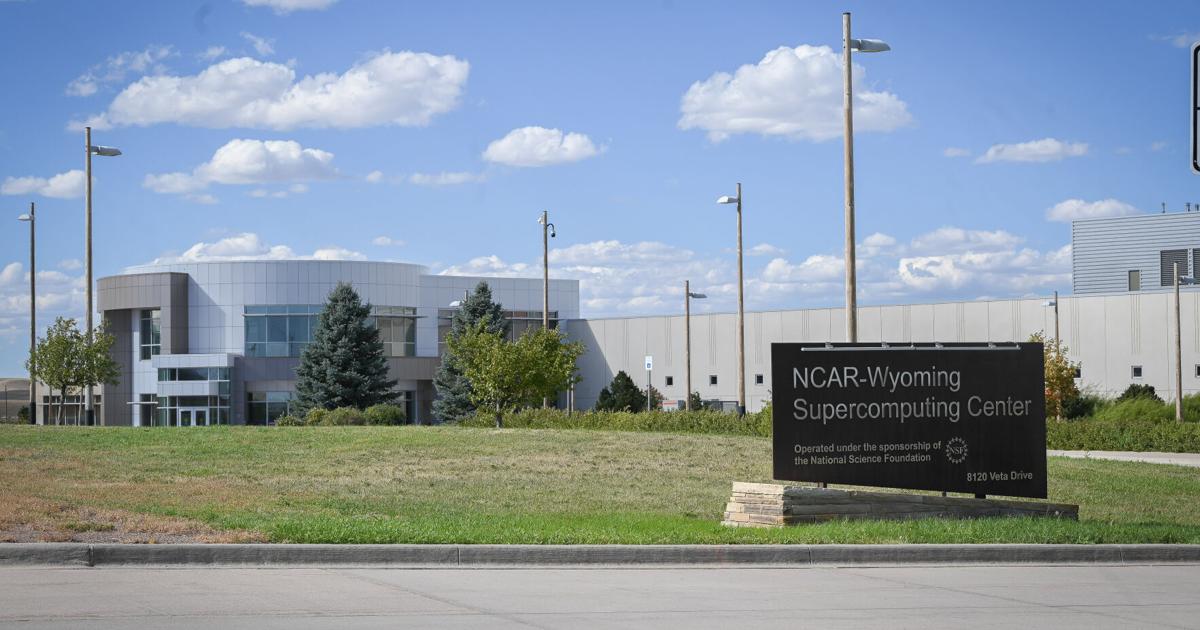
UCAR Lawsuit Halts Cheyenne Supercomputing Center Transfer
The future of the National Center for Atmospheric Research-Wyoming Supercomputing Center (NWSC) remains frozen in a high-stakes legal...

JIA to Add Nonstop, Year-Round Seattle Service – Jacksonville Daily Record
Jacksonville International Airport is set to bridge the gap to the Pacific Northwest as Alaska Airlines prepares to...

Brewers Gain Roster Flexibility With Jeferson Quero Fourth Option
The Milwaukee Brewers have gained breathing room in their long-term roster construction, as league sources confirmed that prospect...