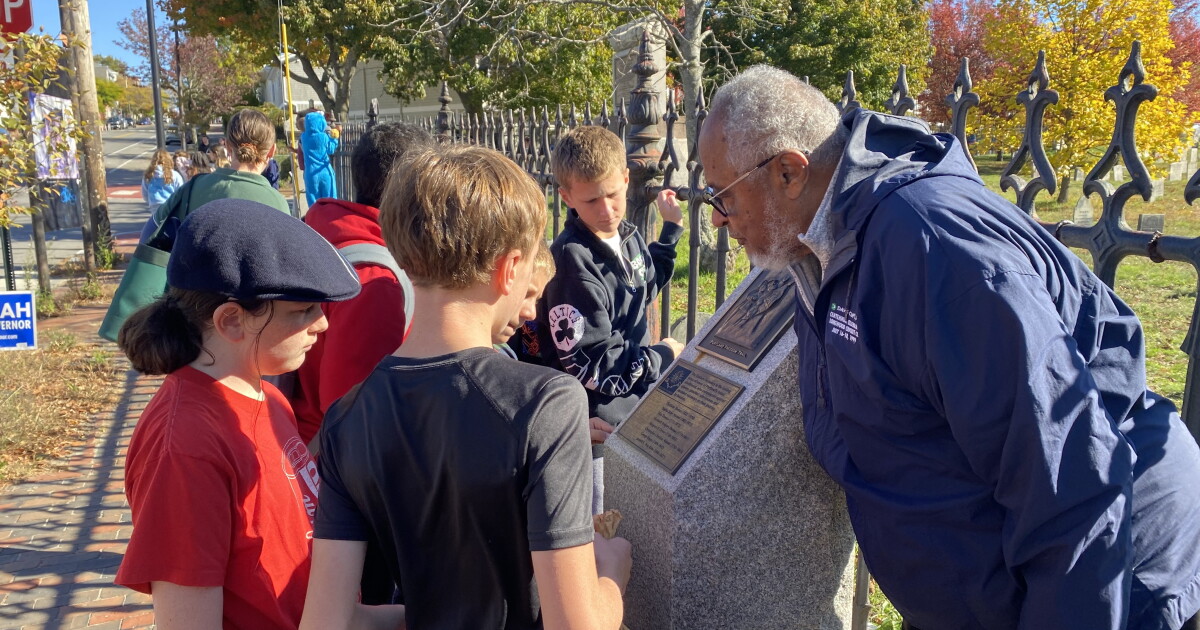
“We’re not newcomers. We’ve been here. We helped build this. Everybody helped build,” said Bob Greene, a journalist and historian, while speaking to students at Portland’s oldest cemetery. His words captured the central mission of a new educational initiative currently unfolding in Maine’s largest city: Portland Public Schools is rolling out the state’s first comprehensive Black studies curriculum, one that shifts the focus from broad national narratives to the specific, localized history of the Black community in Portland and New England.
As reported by Maine Public, the curriculum is designed to move beyond textbook abstractions by connecting students to the physical landmarks of their own city. For seventh graders, this means stepping out of the classroom and onto the Portland Freedom Trail to investigate the history of the Underground Railroad and the local abolitionist movement. The program represents the culmination of a six-year development process aimed at filling a significant gap in regional education—the lack of history specific to Maine and the surrounding New England area.
A six-year journey from protest to pedagogy
The roots of this academic shift trace back to the social unrest of 2020. Fiona Hopper, a social studies special projects coordinator with the district, noted that the impetus for the new curriculum grew from the Black Lives Matter movement. While educators found plenty of materials covering international or national Black history, there was a notable absence of local context. This prompted a long-term effort to identify who held the stories of Portland’s Black residents and how to translate that information into grade-appropriate lessons.
According to WGME, the district’s work also aligns with the spirit of LD 1664, an act signed into Maine state law in 2021 that requires education regarding African American history and the history of genocide. However, the district notes that this state law remains unimplemented across most school systems in Maine, leaving Portland to lead the way through its own localized initiative. To ensure the curriculum was both accurate and culturally resonant, the district convened an advisory group that included educators, historians, and long-standing members of Portland’s Black community. This collaborative team included more than 25 contributors representing both African American and Black African immigrant communities.
The curriculum currently serves students in the sixth grade and up, with plans to expand the program to include grades K through five by next fall. A pilot version of the K-5 curriculum is already in progress during this current school year.
Connecting local landmarks to global history
The learning process relies heavily on fieldwork to make historical concepts tangible. During a recent unit, seventh graders engaged with the city’s history through several key locations and activities:

- The Portland Freedom Trail: Students research trail markers and locations, including the Abyssinian Meetinghouse—one of the oldest standing Black meeting houses in the United States—to understand the impact of the Fugitive Slave Act on the city.
- The Portland Museum of Art: Students view works by contemporary Black artists and participate in hip-hop and art-making workshops.
- The Indigo Arts Alliance: Students visit the studio of renowned Black artist Daniel Minter to bridge the gap between historical struggle and modern creative expression.
- Eastern Cemetery: Students learn about the symbolism of Freedom Trail plaques and the deep ancestral roots of the community in Cumberland County.
For some students, the personal connection is immediate. Hamza Isaak, a seventh grader whose family is from Somalia, noted that the lessons on African civilizations and the struggles of the past felt deeply relevant. “It feels good because I’m learning about my ancestors,” Isaak said, reflecting on how the curriculum connects historical struggles to his own sense of identity.
The debate over localized history curricula
While the rollout in Portland is being met with enthusiasm by local historians and community leaders, the implementation of such specialized curricula often sits at the center of broader educational debates. Critics of expanded social studies mandates frequently argue that curricula should remain focused on a standardized national framework to ensure all students meet the same benchmarks, or they express concerns regarding the political nature of history instruction. In many parts of the country, similar movements to mandate Black history have faced pushback from those who view them as divisive rather than additive.
However, the proponents in Portland argue that this is not about replacing existing history, but about providing the missing pieces of the local puzzle. By teaching students about figures like Ona Judge—who escaped slavery from George Washington’s Mount Vernon to find refuge in New Hampshire—and the tragic expulsion of the multiracial community on Malaga Island, the district is attempting to provide a more complete picture of the region’s development. The goal, as expressed by the curriculum advisors, is to show that the Black community has been an integral part of the fabric of Maine for centuries, rather than a recent addition to the state’s demographic landscape.
As the district prepares to expand these lessons to younger children next year, the success of the program will likely depend on how effectively these localized stories can be woven into the foundational years of American civic education.

Kentucky and Indiana Voters Cast Ballots in Key Senate and Local Races
Voters across Kentucky and Indiana head to the polls today, November 3, 2026, to decide several high-stakes races...
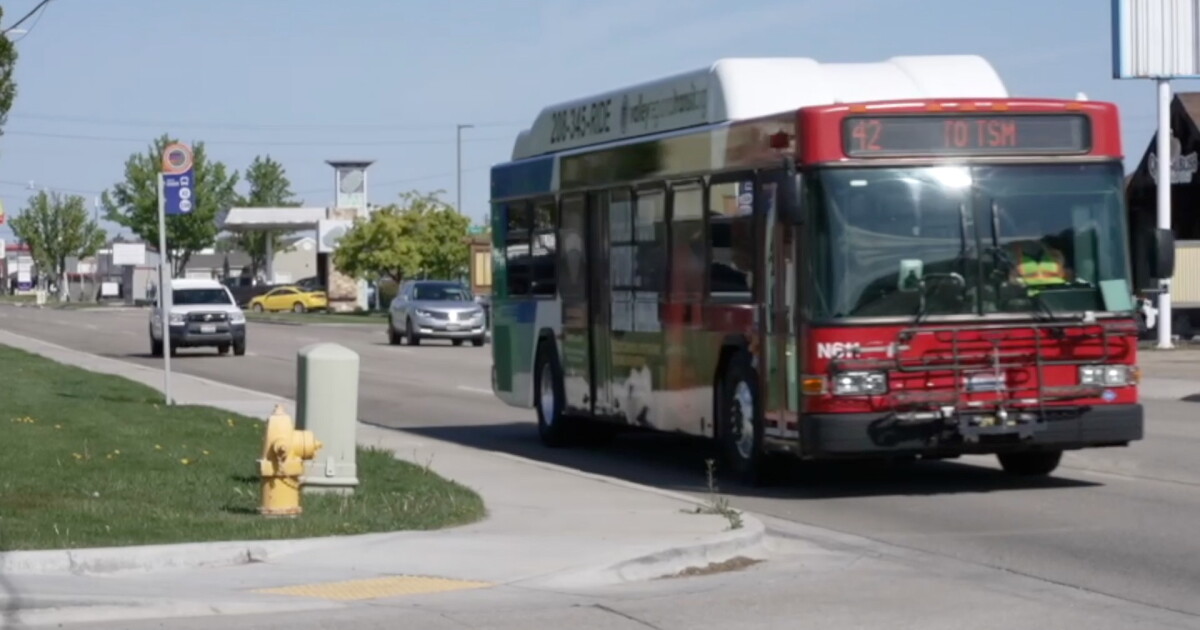
Micron Invests $11.6M in New Canyon County to Boise Express Transit Route
Micron invests $11.6 million in new Canyon County to Boise transit route Micron has committed $11.6 million over...

FEMA Denies Individual Aid to Hundreds of Hurricane Victims in Hawaii
FEMA denies individual aid to over 500 hurricane victims in Hawaiʻi More than 500 property owners across Kauaʻi...

2 Braves Named MLB Award Finalists and Claim Mitchell Parker
Atlanta Braves secure Mitchell Parker as award finalists emerge The Atlanta Braves are navigating a busy transition period...