Micron invests $11.6 million in new Canyon County to Boise transit route
Micron has committed $11.6 million over the next five years to fund a new public express bus route through Valley Regional Transit (VRT), according to reports from KIVI-TV and Hoodline.
The investment aims to bridge the gap between Canyon County and the company’s campus in east Boise. The planned service, designated as Route 41, will create a link connecting Caldwell, Nampa, Meridian, and Boise. The route is designed to include stops at the Boise Airport and the Micron campus, utilizing strategic park-and-ride locations to facilitate easier access for commuters. This move comes as a significant response to the growing transit needs of the Treasure Valley, particularly for those moving between the residential hubs of Canyon County and the industrial and commercial centers in Boise.
The scale of this project is substantial for the region’s infrastructure. VRT expects the new route to operate from 4 a.m. until past midnight, seven days a week. This would mark the first time the agency provides service on a full seven-day schedule. By expanding the hours and the reach, VRT estimates that more than 40,000 additional valley residents will live within a mile of the new service. As the route matures, ridership is projected to reach approximately 200,000 annual passengers.
Nampa riders face ongoing service gaps
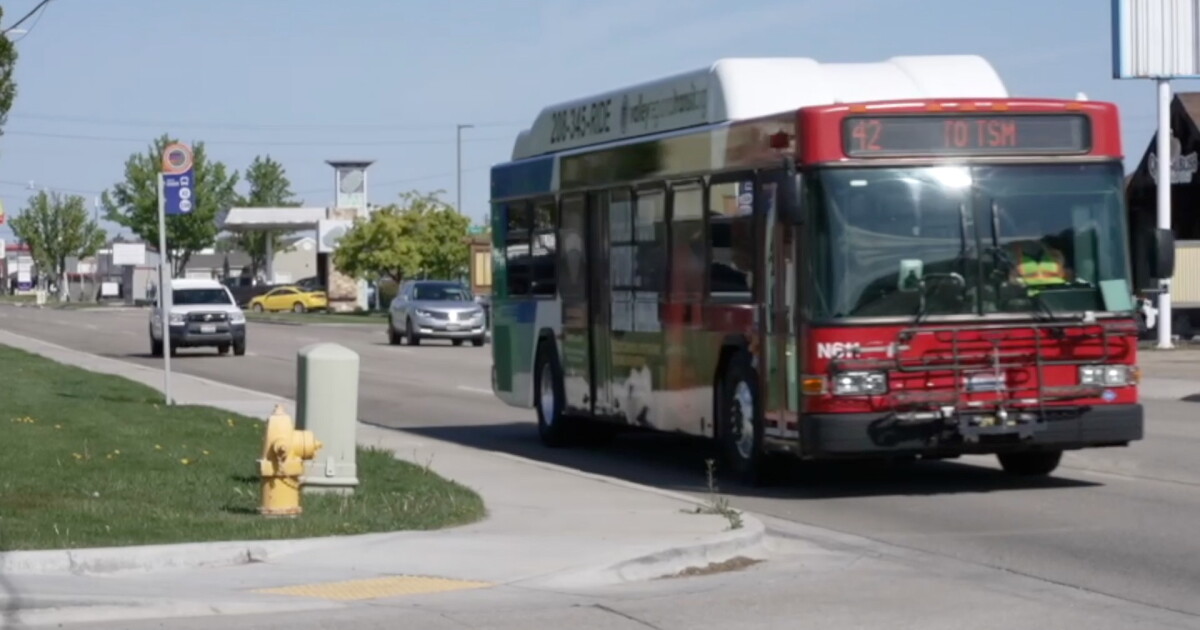
While the Micron investment promises expanded connectivity, it does not address the immediate transit crisis currently facing Nampa residents. Since July, the city has eliminated its on-demand transit services, leaving only a single bus line, Route 42, in operation. This reduction has forced many residents to fundamentally alter their daily routines.
Micron's $11.6M investment will fund a new VRT express route from Canyon County to Boise, running 7 days a week with an airport stop. pic.twitter.com/ejqqZP4vZa
Mellene Rawson, a Nampa resident, told KIVI-TV that she has to constantly adjust her schedule at home and book rides much earlier just to catch the remaining Route 42 service. Similarly, Andrew Mills reported to KIVI-TV that the loss of on-demand services made it difficult to travel to and from Nampa, eventually leading him to switch his work location to Caldwell to maintain mobility.
The service cuts in Nampa were the result of a funding decision made in August. According to BoiseDev, the city’s reduced funding allowed VRT to maintain Route 42 and paratransit services but required the elimination of Route 40 and the on-demand system. This decision followed a May workshop where VRT CEO Elaine Clegg presented the Nampa City Council with various budget options. Maintaining the previous level of service would have required nearly $863,000 from the city, per BoiseDev’s reporting.
The irony of these cuts is highlighted by recent growth trends. Before the service was scaled back, Canyon County ridership had been climbing significantly. Data reported by BoiseDev shows that ridership rose 27% between June 2023 and March 2025, with Route 42 specifically seeing a 45% increase in ridership while offering hourly service through Nampa.
A regional strategy beyond the Micron campus
The new express route is not a closed loop for company employees; rather, it is being built as a piece of broader regional infrastructure. Micron’s contribution also supports the expansion of VRT On-Demand service specifically around its Boise headquarters. This southeast Boise service is projected to reach 64,000 annual riders by its fifth year of operation.
“They wanted to make sure that we were able to design something that helped not just their employees but the whole valley, recognizing their impact on the valley,” Elaine Clegg told KIVI-TV.
The funding also includes the addition of new Park & Ride locations throughout the region to support the new express line. However, VRT officials have been clear about the limits of this new funding. Because the new service is being designed specifically around the Micron investment, it will not restore the Nampa services that were lost this summer. Any return of the broader Nampa transit system would still require independent funding from the city.
Timeline for the new express service
The transition to this new transit model will not happen overnight. While the funding is secured for a five-year period, the actual implementation of the vehicles and the new service schedule is expected to begin in early 2027, according to BoiseDev.
For now, the transit landscape in the valley remains a study in contrasts: a massive influx of private capital aimed at high-capacity, long-distance commuting, set against a backdrop of localized service reductions that have left some residents struggling to meet their basic mobility needs.
Worth a look

David Blitzer and Arnold Palmer Enterprises Launch New Junior Golf Tour
The Arnold Palmer Junior Golf Tour launches in January with 400 planned tournaments The Arnold Palmer Junior Golf...

Adonai Mitchell Explodes With Career-High 142 Yards Against Raiders
Adonai Mitchell exploded against the Raiders on Sunday, recording a career-high 142 receiving yards and a touchdown on...

Ellen Rosenfeld Seeks Re-election to Chicago School Board District 4b
Ellen Rosenfeld faces no opposition in District 4b school board race Ellen Rosenfeld will remain the sole candidate...

Hamilton Hosts Billings Central in Class A State Quarterfinals
The Hamilton football team begins its postseason this Friday, Nov. 6, as it hosts #5 Billings Central in...