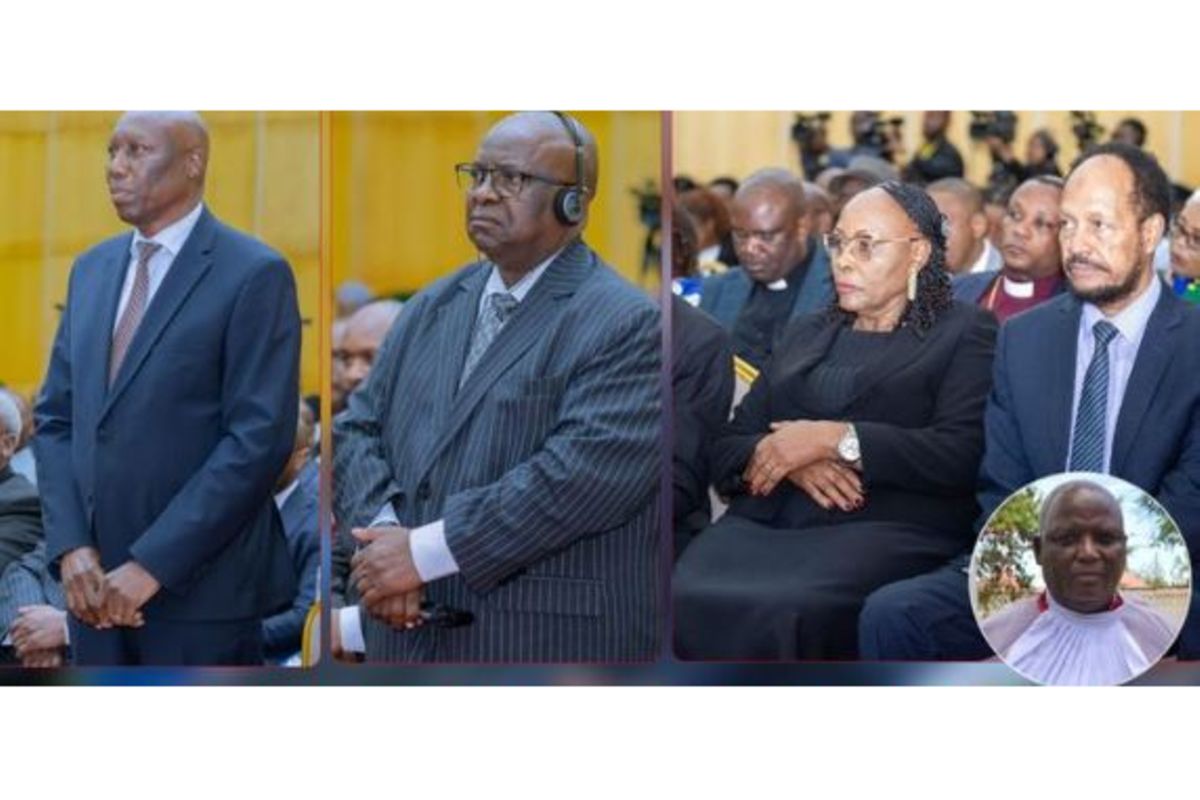
Tanzanian President Samia Suluhu Hassan has appointed a six-member commission, including foreign jurists from Namibia and Uganda, to investigate October 2025 post-election violence that resulted in 518 deaths, sparking sharp regional debates over judicial independence and state accountability.
The Presidential Commission and Its Foreign Appointments
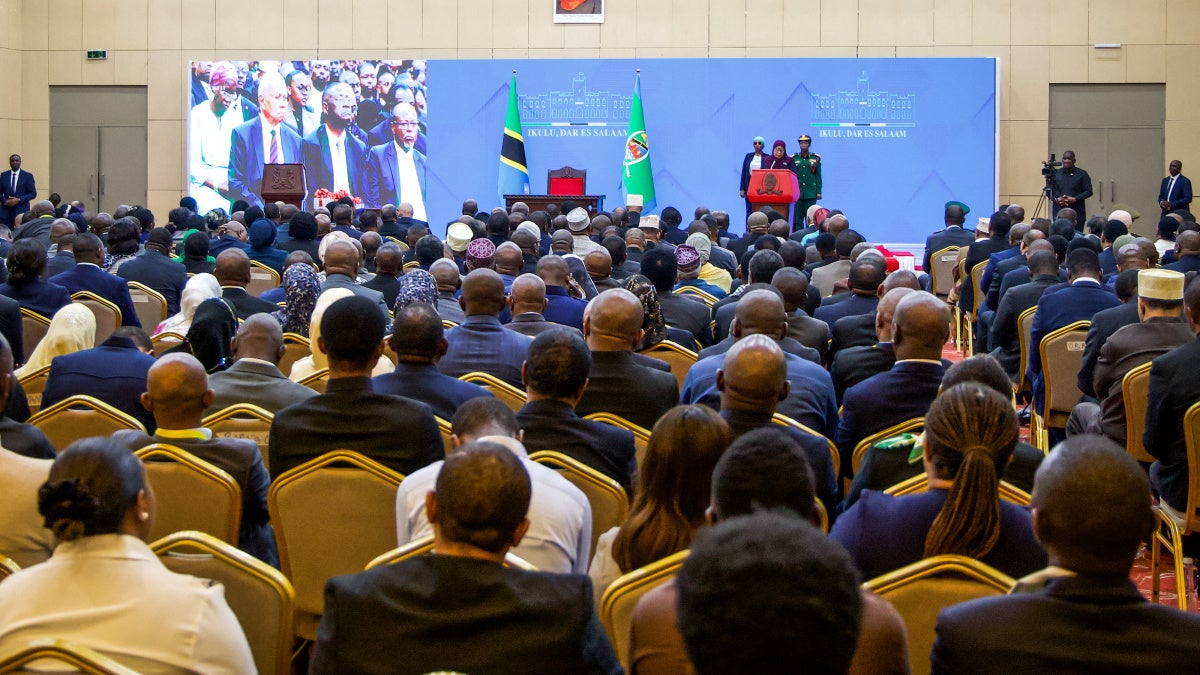
President Samia Suluhu Hassan formally launched the Presidential Commission of Inquiry into Perpetrators of Violence and Law Violations during and after the October 2025 General Election on August 7, 2026. The body is tasked with investigating the root causes of unrest that followed the October 29 general elections, which documented 518 deaths across 11 regions according to earlier findings by the Judge Chande Commission.
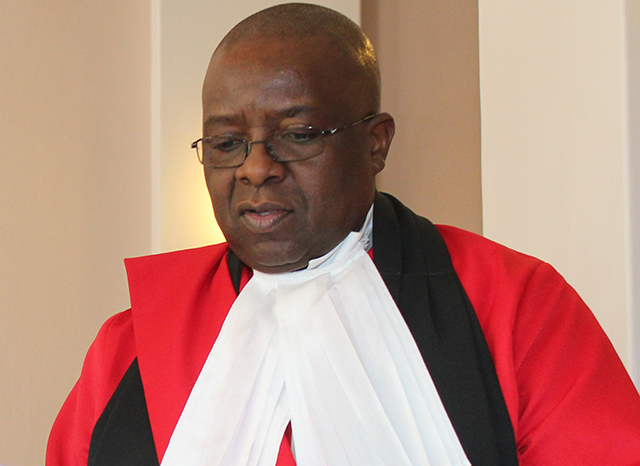
To bolster the inquiry, the Tanzanian government reached out to regional partners. Namibian Deputy Chief Justice and High Court President Petrus Damaseb and Ugandan Court of Appeal Judge Cheborion Barishaki were appointed to the five-month inquiry. Chief Justice Peter Shivute nominated Justice Damaseb following a request from Tanzanian authorities for a serving or retired Namibian High Court judge. Namibia’s Judicial Service Commission (JSC) endorsed the nomination after consultations, noting that Justice Damaseb’s extensive judicial and administrative experience made him suitable for the assignment.
The Tanzanian contingent on the commission comprises retired judges Shabani Lila, who serves as chairman, alongside Gad Mjemmas, Awadh Bawazir, and Aishieli Sumari. Defending the inclusion of international jurists during the inauguration, President Hassan explained the strategy behind the appointments.
Chief Government Spokesperson Gerson Msigwa added that the commissioners were selected based on individual qualifications. The commission will establish its own operational procedures based on its terms of reference, independent of their home judicial systems,
Mr Msigwa stated, emphasizing that proceedings will be guided strictly by Tanzanian law.
Regional Backlash and Domestic Opposition in Windhoek and Dar es Salaam
The deployment of high-ranking Namibian jurists abroad has ignited substantial political friction. Two Namibian opposition parties—Affirmative Repositioning (AR) and the Landless People’s Movement (LPM)—criticized the move, arguing that Justice Damaseb’s participation could compromise the perceived independence of Namibia’s judiciary.
AR questioned the constitutional separation of powers, asserting that inter-state communications regarding judicial officers should occur strictly through judicial channels rather than executive government. The party called on Justice Damaseb to step down voluntarily and demanded that the JSC clarify the legal framework used to endorse his deployment. Concurrently, the LPM urged Windhoek to leverage diplomatic engagements with Tanzania to address broader political and human rights issues, including the legal case facing Chadema Chairman Tundu Lissu.
Similar skepticism surfaced inside Tanzania. Addressing a public rally in Rorya, Chadema Vice-Chairman John Heche questioned the motives behind recruiting international judges.
“They want to create an impression within the international community that an independent investigation is underway by including foreign jurists. Is Uganda the benchmark?”
John Heche, Chadema Vice-Chairman, via Thecitizen
Diplomatic and governance analyst Dr Dennis Kibona observed that appointing external experts is a standard method to build public and international confidence in sensitive political inquiries. Involving foreign experts helps eliminate perceptions of local bias,
Dr Kibona noted, though he acknowledged that public debates frequently center on the institutional reputations of the experts’ home countries. Political scholar Prof Baraka Mfinanga added that while the competence of the judges is undisputed, their involvement raises delicate questions regarding the boundaries of judicial participation in politically charged matters.
The Chande Commission Precedent and Unresolved Security Concerns
The newly formed Lila-led commission follows an earlier review initiated in November 2025 under retired Chief Justice Mohamed Chande Othman. After completing a 153-day review, Justice Chande submitted his report to President Hassan on April 23, 2026, recommending full criminal investigations into the unrest.
Despite the official transition to the new investigative body, human rights advocates warn that crucial gaps remain. Human Rights Watch noted that while the Chande report documented 518 deaths across 11 regions and recorded victim testimonies regarding security officers shooting individuals in homes and shops, the prior inquiry failed to meaningfully assess the lawfulness of the security forces’ conduct or patterns of alleged unlawful force. President Hassan’s subsequent announcement focused on investigating the planning, coordinating, and financing of protests, but did not directly address the conduct of security forces.
International observers note that historical precedents, such as Kenya’s 2007 post-election Waki Commission and South Africa’s Truth and Reconciliation Commission, utilized specialized frameworks to navigate national crises. Whether the current mixed commission will tackle the role of security forces directly remains the central test for its five-month mandate.
Worth a look

Ezemvelo KZN Wildlife Moves 20 Black Rhinos to Botswana to Boost Population
Twenty critically endangered black rhinos were translocated from KwaZulu-Natal to a remote, secure reserve in Botswana in early...

SEAIT Student Expelled, Charged Over Online Firearms Threat
A college student from Lambayong, Sultan Kudarat, was expelled and charged with grave threats under the Cybercrime Prevention...
Judge Orders Trump to Restore Access for CNN, MS NOW, and Politico
A federal judge temporarily blocked President Donald Trump’s ban of CNN, MS NOW, and Politico from the White...
Idaho Cold Case Solves Identity of 1982 Cyanide Suicide Victim
Idaho investigators have identified a man found dead of cyanide poisoning in a Boise church in December 1982...