
Researchers have projected that forests across Idaho and western Montana will lose significant carbon storage capacity through 2117, with the steepest declines concentrated in the drier southern portion of the state.
The findings, based on a combination of airborne lidar, Landsat satellite time series, and the U.S. Forest Service’s Climate-FVS growth model, show carbon gains in wetter northern Idaho will only partially offset those losses.
The study, presented at the American Geophysical Union Fall Meeting in 2017, used commercial off-the-shelf lidar collections tied to field plots to estimate aboveground biomass with high confidence.
Those pixel-level predictions trained Random Forests models to map biomass annually across the region using LandTrendr-processed Landsat imagery. To simulate future dynamics, the team ran the Forest Vegetation Simulator — the tree-growth engine used by foresters for planning — under both constant and changing climate scenarios.
Disturbance probabilities and magnitudes were derived from LandTrendr and TimeSync analysis of 509 forested plots in Idaho and 288 in western Montana. The verification step aggregated annual biomass predictions at the county level and compared them against independent, field-based inventories from the USDA Forest Inventory and Analysis program.

The analysis revealed a sharp ownership divide in disturbance patterns. Federal lands experienced less frequent disturbance but at higher magnitudes, driven by the prevalence of fire and insect outbreaks. Corporate and other private lands saw higher disturbance probabilities but lower magnitudes, consistent with more frequent harvest activity.
The authors said that public and private forest managers can use these century-scale projections to inform 2017 decisions on species and seed-source selection for planting, and to implement strategies now that may maximize carbon sequestration for greenhouse gas abatement a century from now.
Researchers simulated harvest and prescribed fire treatments followed by plantings of four commercial species in the Moscow Mountain area, using Climate-FVS to project carbon responses under three climate scenarios for 100 years. The goal was to project the effect of typical forest management actions on forest carbon levels given a changing climate. The 2014 study was led by Fabian Galvez, Andrew Hudak, John Byrne, Nicholas Crookston and Robert Keefe.

Forest resources supply a wide range of environmental services such as mitigation of increasing atmospheric carbon dioxide. As climate changes, forest managers face added pressure to obtain forest resources through biologically sustainable and economically profitable stand management alternatives.
A related 2014 study in the Moscow Mountain area of north-central Idaho simulated harvest and prescribed fire treatments followed by plantings of four commercial species, using the same Climate-FVS framework to estimate species-specific carbon responses under three climate scenarios.
Worth a look

Annapolis Midnight Madness Begins Dec. 3 With Late-Night Hours, Events
“It gives you holiday cheer,” said Janice Holmes, co-owner of Old Fox Books on Maryland Avenue in Annapolis....
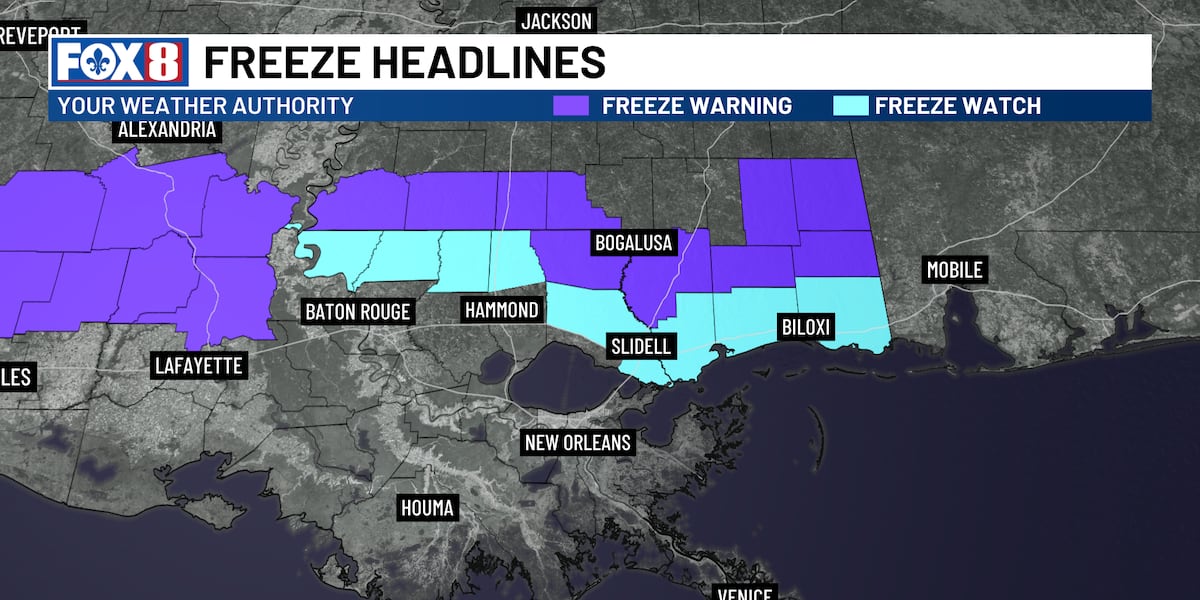
A cold airmass pushed into southeast Louisiana and southern Mississippi on Thursday
A cold airmass pushed into southeast Louisiana and southern Mississippi on Thursday, bringing the season's first widespread freeze...

Lifting the Payroll Tax Cap Could Delay Social Security Cuts, But Not Solve Them
The Social Security retirement trust fund is projected to run out of money by late 2032, which could...
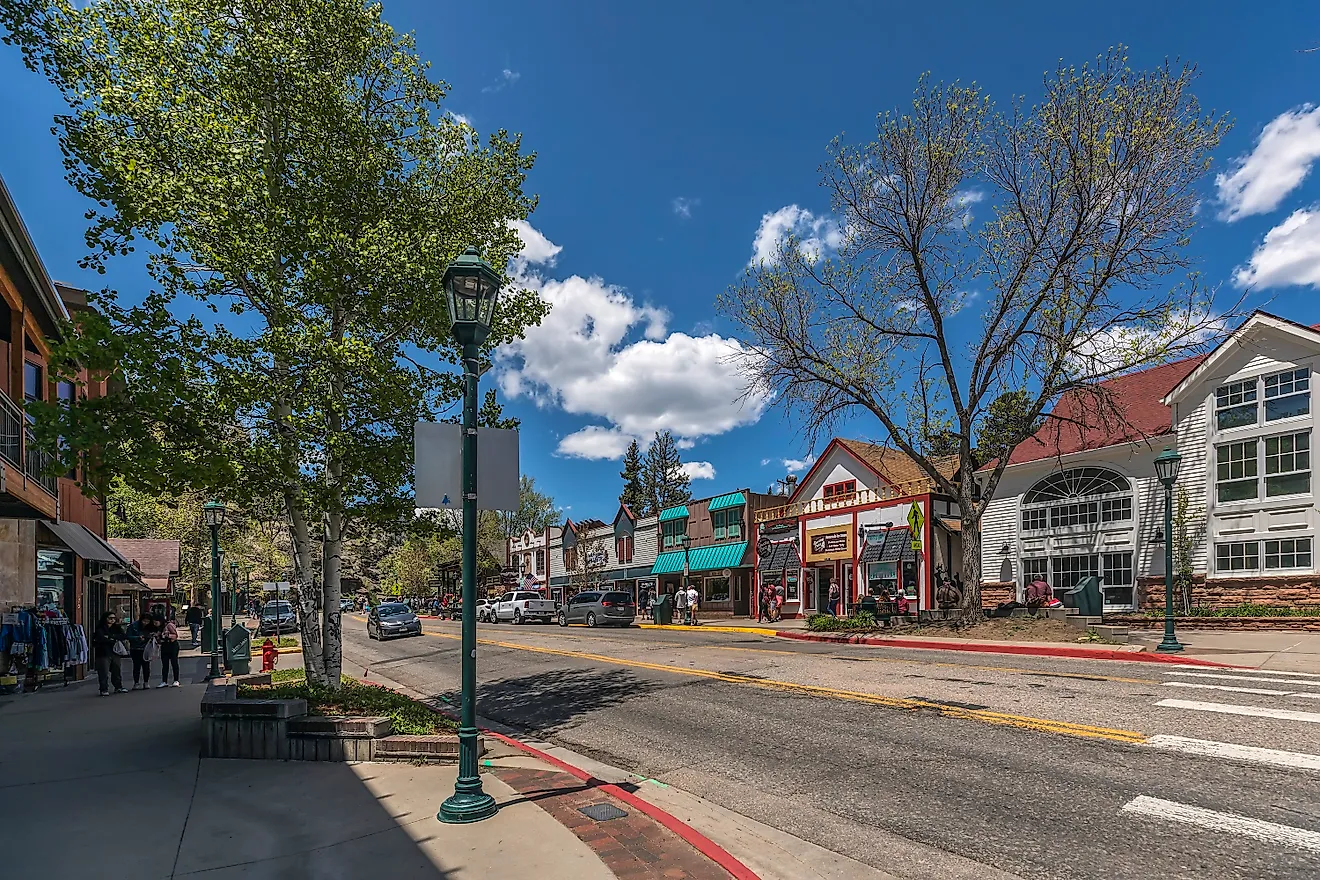
11 Colorado Towns Under 50,000 Offer Retirees Trade-offs
Eleven Colorado towns under 50,000 residents offer retirees distinct trade-offs between outdoor access, healthcare proximity, housing costs and...