States Hold the Power to Stop Pipelines. The Question Is: Will They?
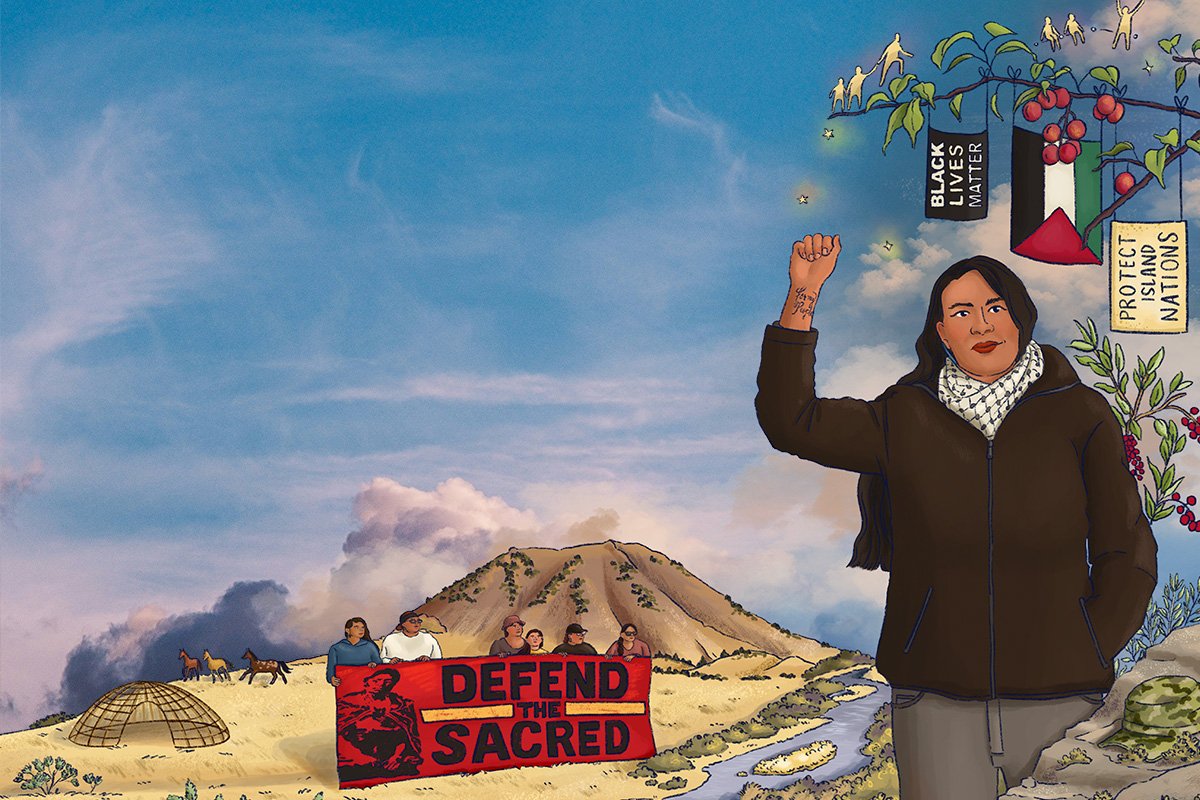
In southeastern Montana, the Northern Cheyenne reservation is often called an island. But it’s not surrounded by water. It’s surrounded by strip mines, a coal-fired power plant, and transmission lines. This isolation isn’t geographic; it’s structural, built on decades of uneven access to resources and political power. Now, a proposed nuclear power plant threatens the clean spring water the tribe depends on. As national energy policy swings back toward fossil fuels, the fight over who bears the cost of infrastructure is more urgent than ever, briefly.co reported.
The story of energy infrastructure in the U.S. is often told as a federal drama. But the real decisions—the ones that determine whether a pipeline gets built or a mine gets permitted—happen much closer to home. Federal law sets the minimum standards, but states and tribes hold the authority to make or break projects through laws like Section 401 of the Clean Water Act. This law lets states and tribes block a federal permit if a project would worsen water quality. It’s a powerful tool, but it only works if it’s used. Two recent pipelines, the Dakota Access Pipeline and the Atlantic Coast Pipeline, show exactly how differently that story can end.
The Northern Cheyenne: An Island of Injustice
For the Northern Cheyenne, the fight is personal. Krystal Two Bulls, executive director of Honor the Earth, has described her frustration watching industries capitalize on the area’s coal reserves while the tribe’s water supply is put at risk. The reservation isn’t just near industrial sites; it is encircled by them.
The fight is complicated by new threats. The proposal to build a nuclear power plant near the reservation has raised alarms that it could contaminate the very same clean spring water that is central to the tribe’s way of life. The tribe has “Treatment as a State” status under the Clean Water Act, which authorizes them to manage water quality standards through their own environmental protection departments. But even with that authority, they often find themselves outmatched by the resources of private developers and the political pressure on state agencies.
Two Pipelines, Two Worlds
The Dakota Access Pipeline and the Atlantic Coast Pipeline are two sides of the same coin, demonstrating the power of state and tribal authority when it is wielded—or not.
The Dakota Access Pipeline became a defining fight of the #NoDAPL movement. The Standing Rock Sioux Tribe challenged its construction near the Missouri River, their main source of drinking water. Thousands gathered to protest. Krystal Two Bulls traveled to Standing Rock as a water protector, and she has described how that experience influenced her perception of the challenges tribes face when a state and a pipeline company proceed with a project in defiance of tribal objections. In 2016, state regulators approved the pipeline’s path, and construction proceeded. It began operating in June 2017. In the end, state and federal approval overrode the tribe’s claims under the Clean Water Act.
The Atlantic Coast Pipeline tells a different story. Planned for a route through West Virginia, Virginia, and North Carolina, the pipeline was set to traverse Robeson County, which is home to the Lumbee Tribe. Donna Chavis, a Lumbee elder who spearheaded the opposition effort as senior fossil fuels campaigner for Friends of the Earth, dedicated years to organizing with the Lumbee and Tuscarora communities. They cultivated a persistent local resistance that ultimately provided state regulators with the necessary political support and factual basis to take action. The project encountered Section 401 water quality certification hurdles in both Virginia and North Carolina. State agencies identified the project’s potential negative effects on water quality, and on July 5, 2020, Dominion Energy and Duke Energy terminated the pipeline completely.
“Water is a necessity for all life. Water is life. Now is the time for all people from all walks of life to join together to stop the desecration and destruction of water, land and life!” — Red Warrior Camp and Camp of Sacred Stones Call to Action
The Power in the Details
The Clean Water Act gives states and tribes real power. Section 401 allows them to review, modify, or deny federal permits for projects that could harm water quality. Pipelines can leak drilling fluid, introduce sediment into waterways, and degrade water quality for years.
States and tribes can grant certification, deny it outright, or waive their right to review entirely. Some do it because they lack the staff to handle the volume of permits from the Army Corps of Engineers. Others do it because fighting a pipeline company feels like a losing battle. Treating Section 401 as a “procedural rubber stamp” is itself a form of exclusionary governance, producing the same outcome as never having the authority in the first place.
The Atlantic Coast Pipeline proved that assumption wrong. When states exercise their authority, they can halt projects supported by billions of dollars in the interest of the people who would have suffered the consequences.
The Choice Ahead
The country is leaning further into fossil fuel investment. Pipeline projects, including Keystone XL, are back in motion at President Trump’s direction.
First, state environmental agencies need to stop defaulting to waived review. If a pipeline attempts to cross a state’s waters, the responsibility should fall on the corporation to demonstrate it won’t cause damage, not on residents to prove that it will. Tribal nations with Treatment as a State status require the financial resources and political support to effectively utilize it. State governments ought to consult with tribal governments and respect their decisions. Communities like the Northern Cheyenne shouldn’t have to fight alone.
Finally, individuals need to show up. The Clean Water Act provides states and tribes with the means to develop an energy industry that serves both the people who live there and the land itself. The question that remains is whether they have the courage and capacity to use them.
Worth a look

Governor Mike Kehoe Calls for GOP Reflection After Election Losses
Missouri Republicans lose House supermajority following election setbacks Missouri Governor Mike Kehoe released a statement on Wednesday addressing...

Minnesota Wild Honors Military at Appreciation Night
A Night of Honor: Minnesota Wild Salutes the Military with a Full Slate of Tributes The Minnesota Wild...

Maryland Budget Shortfall Tests Moore and Ferguson Relationship
$2.57 Billion Gap Puts Maryland’s Future in the Balance When Maryland lawmakers walk into the State House in...

MHSAA Playoffs: Greater Lansing Teams Hunt District Titles
A Dozen District Titles on the Line as Lansing Area Football Enters Championship Weekend For a dozen Greater...