
A 21-Year Sentence Under the Microscope
The family of Henry Nowak watched from the gallery as the man who killed their son sat in a courtroom, not in handcuffs, but arguing his sentence was too harsh. Vickrum Digwa, 23, is serving a life sentence with a minimum of 21 years for the murder of 18-year-old Henry Nowak in Southampton in December last year. Today, in a dramatic turn, three senior judges at the Court of Appeal began hearing two competing legal battles: Digwa’s own appeal that his sentence is “manifestly excessive,” and a referral from the Attorney General, Ellie Reeves, arguing the sentence is “unduly lenient.” The Attorney General’s referral, a rare move, contends the court failed to adequately reflect the gravity of Digwa’s actions, including his manipulation of his religious faith to carry a knife and his lies to first responders that led to Henry being handcuffed as he lay dying.
The Double Standard of a “Religious Privilege”
The heart of the prosecution’s case, as laid out by barrister Jonathan Polnay KC on behalf of the Attorney General, is that Digwa weaponized a protected religious right. Digwa stabbed Henry five times with a ceremonial kirpan, a small knife protected by law for Sikhs to carry for religious reasons. But, as Polnay argued, Digwa did not merely carry it; he “abused the privilege” afforded to him by faith. He used that weapon to kill and then, in a calculated attempt to evade responsibility, lied to police, claiming Henry had racially abused him and knocked his turban off. This false accusation led directly to the shocking scene captured on police body-worn video: officers handcuffing Henry as he lay on the pavement, gasping “I can’t breathe.” Polnay highlighted this as a factor of “particular weight,” stating, “He abused a statutory religious exemption permitting him to carry that weapon.” This act, the prosecution argues, transformed a protected right into a tool of murder and a mechanism to pervert the course of justice.
Katie Nowak told ITV News: “It just doesn’t feel fair to us at all. It’s another process that we’ve got to go through. It’s another fight that we have to have.” The family’s grief is compounded by the fact that Digwa lies about the circumstances of the murder remain central to the legal proceedings, forcing them to relive the horror of a son falsely accused of racism in his final seconds of life.
The Killer’s Defense: The impact of the lies
While the Attorney General argues for a longer sentence, Digwa’s legal team is arguing for the opposite. His barrister, Imran Khan KC, challenged the 21-year minimum term as unlawful and disproportionate. He argued that the sentencing judge, William Mousley KC, had made a mistake by treating overlapping aggravating factors as if they were cumulative, artificially inflating the sentence. Khan’s central point is a chillingly pragmatic one: while Digwa’s lies to first responders “unquestionably affected the dignity with which Mr Nowak was treated”, his wounds were unsurvivable. “The false account therefore did not worsen the fatal injury or deprive Mr Nowak of the prospect of survival,” Khan argued.
🔺VIDEO – Henry Nowak murderer Vickrum Digwa today appeals for his jail sentence to be reduced. The case is listed for a Court of Appeal at 10am. Digwa was sentenced to life imprisonment with a minimum term of 21 years for murdering 18-year-old Southampton student Henry Nowak.… pic.twitter.com/0gcLXyuDzQ
Khan also pushed back against the idea that Digwa’s use of the kirpan should, in itself, lead to a longer sentence for a Sikh offender. He contended that carrying a knife for religious reasons “should not of itself” place a Sikh offender close to the highest sentencing brackets. When Lady Chief Justice Baroness Carr pointed out that being handcuffed while dying “must have been terrifying for Henry,” Khan’s simple reply was, “I accept that.” This admission of the cruelty of the act, while simultaneously arguing it has no bearing on the length of a murder sentence, encapsulates the cold logic of the defense’s position. The crux of his argument is that the sentence can only be increased in “exceptional, rather than borderline cases, and directed to gross error by the sentencing judge”—a high bar that he claims the original judge did not cross.
The Unfinished Business of Justice
This appeal hearing is not happening in a vacuum. It comes amid a broader, independent review of the case, announced by Home Secretary Shabana Mahmood and led by former lord chancellor Alex Chalk. The review aims to examine “any missed opportunities to intervene” regarding Digwa, specifically looking into complaints about his prior violent and erratic behavior. Chalk stated that the murder “shocked the nation” and that “serious questions have been raised about whether agencies and organisations failed to act on complaints” about Digwa before the fatal attack.
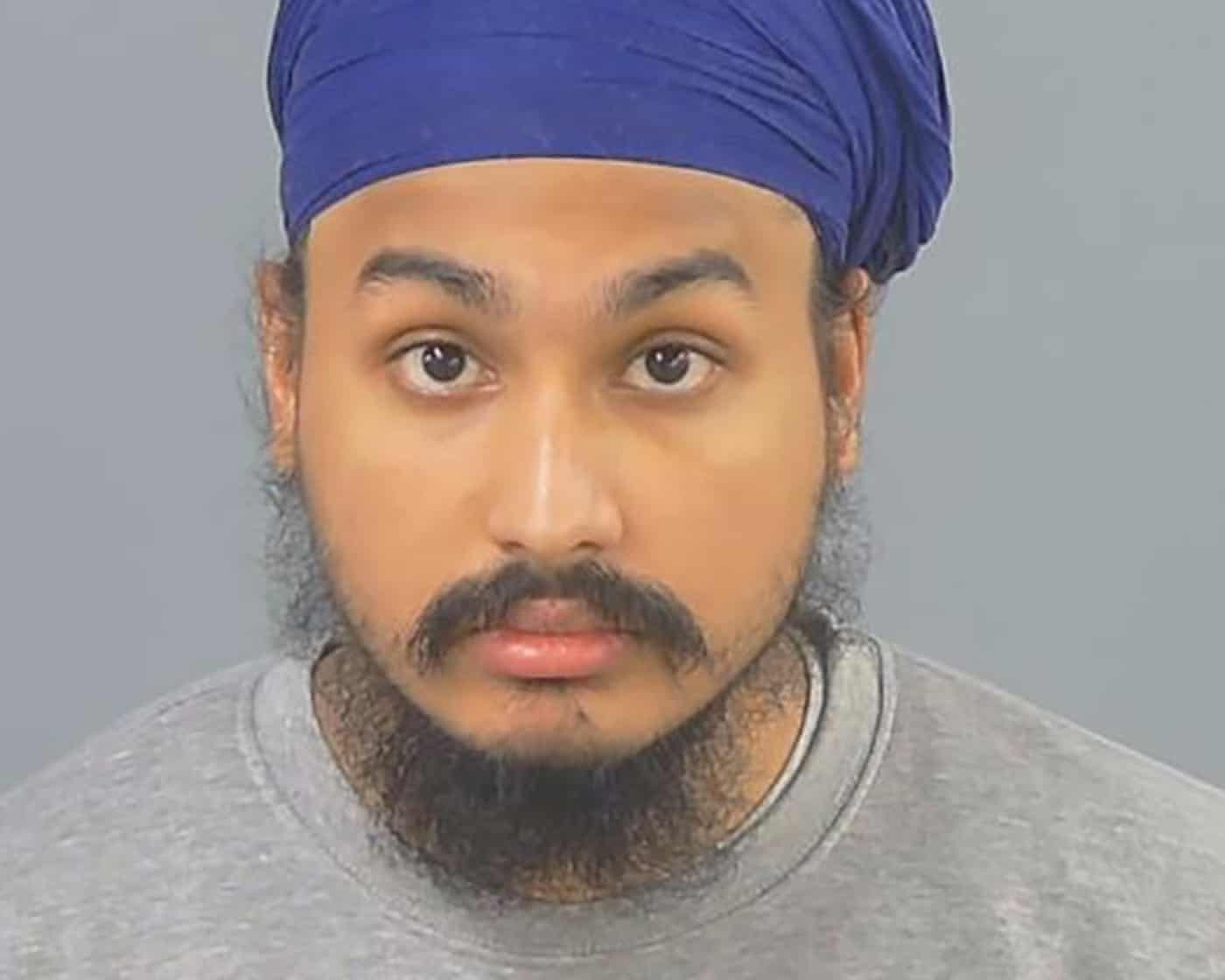
Separately, the police response to the incident is under intense scrutiny. The Independent Office for Police Conduct (IOPC) is investigating two officers for potential gross misconduct. Their inquiry focuses on failures to recognize Henry’s urgent medical needs, to act after he said he had been stabbed, and the decision to arrest and handcuff him instead of providing immediate first aid. This review, coupled with the Court of Appeal case, means the circumstances of Henry Nowak’s death—from the attack to the false accusations against him—are being examined.
The judges hearing the appeal, Lady Carr, Mr Justice Nicklin, and Mr Justice Wall, are expected to deliver their judgment later today.
Worth a look

Right Ventricular Remodeling in Pulmonary Arterial Hypertension: Mechanisms and Therapies
A New Lens on a Silent Killer: Unraveling the Heart's Struggle in Pulmonary Hypertension Imagine a heart, forced...

Durvalumab and FLOT show promise for gastroesophageal cancer
How New Cancer Therapies Are Forging a New Standard for Gastroesophageal Cancer A new treatment approach for gastroesophageal...

Judge could block Trump administration’s D.C. arch construction
A 250-Foot Arch on the Brink, but a Judge Could Stop Trump's D.C. Monument It’s down to the...

Early Intervention is Crucial for Treating Pediatric Eating Disorders
The Rising Pediatric Eating Disorder Crisis Eating disorders have quietly become one of the most significant public health...