
A proposed USDA rule would end broad-based categorical eligibility for SNAP, cutting 3.7 million households from benefits, the Ohio Workforce Coalition warns.
- USDA rule published Nov. 10; comments due Dec. 10; implementation expected Oct. 1, 2027.
- Beyond the Cliff Coalition projects $14 billion first-year benefit cut, 3.7 million households losing eligibility.
- Ohio could lose 10% to 15% of its SNAP caseload, per Ohio Workforce Coalition.
- Feeding America: 1.8 million Ohioans food insecure in 2024; 60% above SNAP poverty threshold.
Rule targets state flexibility
The USDA published the proposed rule on Nov. 10, opening a 30-day comment period that closes Dec. 10. If approved, the rule takes effect Oct. 1, 2027, according to Ohio Capital Journal and Ohio TriCities.
Broad-based categorical eligibility lets states align SNAP income and asset thresholds with Temporary Assistance for Needy Families (TANF) limits, streamlining administration. The Food Research & Action Center said eliminating it would “increase administrative costs and processing delays, shift bigger cost burdens to the states, intensify food insecurity, and undermine work incentives,” Ohio Capital Journal reported.
Projected impact in Ohio and nationally
Keith Barnes of the Beyond the Cliff Coalition, citing USDA estimates, said the rule would cut $14 billion in SNAP benefits in the first full year — an average loss of $340 per month for affected households — and make 3.7 million more households ineligible.
Nearly 18% of SNAP households with children would lose eligibility, and the Children’s Defense Fund warned the proposal “would risk the food security of more than six million children in America,” Ohio Capital Journal reported.
The Ohio Workforce Coalition projects Ohio would lose 10% to 15% of its SNAP caseload, possibly more. “To be fully transparent, this is a cost of living problem that impacts every state and community in the nation,” Barnes told Ohio Capital Journal.
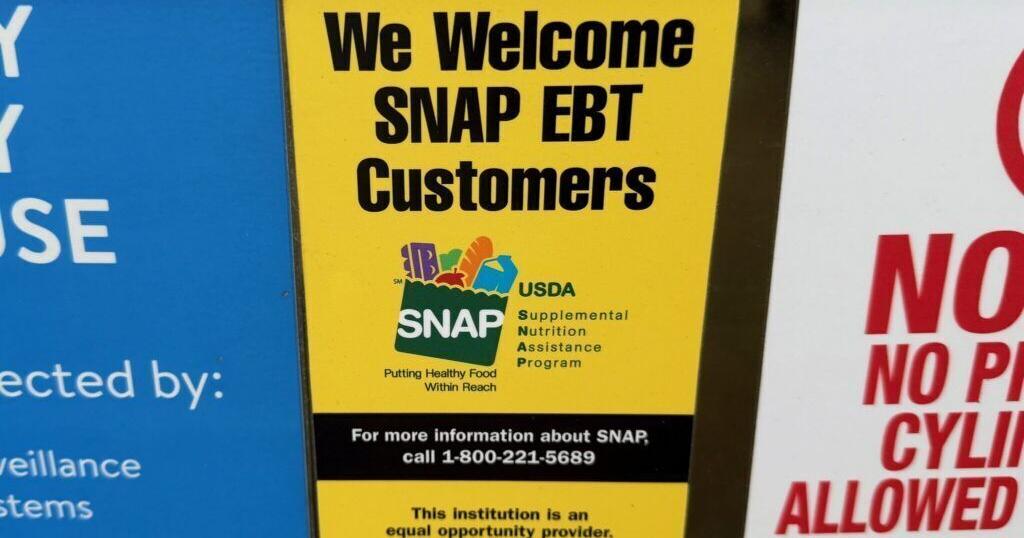
Existing pressure from 2025 cuts
The proposed rule follows the One Big Beautiful Bill Act, signed by President Donald Trump in 2025, which enacted the largest SNAP cuts in the program’s history. The Center on Budget and Policy Priorities reported SNAP participation fell by 5.5 million people — 13% — between the law’s July 2025 enactment and July 2026. More than 1 million children have already lost access, Ohio Capital Journal reported.
In Ohio, most households qualify for SNAP at or below 130% of the federal poverty level; those with elderly or disabled members can qualify up to 200%, or $5,500 a month for a family of four.
A 2026 Ohio Association of Foodbanks survey found more than half of respondents chose between medicine and food, and six in ten between food and utilities. “Ohio families are visiting food pantries as they work hard to keep up with rising food costs, inflation, and other external pressures,” executive director Joree Novotny said when the survey was released.
Rule would also cut access to job training
Barnes said the proposal would make 3.7 million more households currently receiving SNAP ineligible, with a disproportionate impact on working families. Individuals who lose eligibility could also be barred from employment and job training programs provided through SNAP under the new rules, according to Ohio Capital Journal.
Data gaps emerging
Feeding America’s 2024 data showed 1.8 million Ohioans — 15.3% — experienced food insecurity, with 60% living above the SNAP poverty threshold. The national meal cost averaged $3.70; Ohio’s was $3.53, leaving a $1.22 billion state food budget shortfall. The USDA has since cancelled the Current Population Survey Food Security Supplement that supplied this data, meaning national food insecurity figures “may not be as readily available in the coming years,” Feeding America’s report stated.
Public comments on the proposed rule are due Dec. 10.

Georgia Beats No. 11 Tennessee in Five-Set SEC Tournament Semifinal
Georgia closed the match on a 9–0 run in the fifth set to defeat No. 11 Tennessee, 22-25,...

Warm Thanksgiving Storm Brings Rain to Idaho Mountains, Complicating Travel and Ski Season
A warm Pacific storm will bring rain instead of snow to many Idaho mountain passes starting Thanksgiving Day,...

New York Courts Lack AI Rules for Expert Witnesses, Allowing Unreliable Testimony Into Record
New York courts lack specific rules for expert witnesses using artificial intelligence, a gap that has already allowed...

Jensen Huang Admits Affairs, Resigns Then Returns as Nvidia CEO
Huang resigned on Nov. 12, 2026, then was reinstated on Nov. 23 after President Trump intervened.