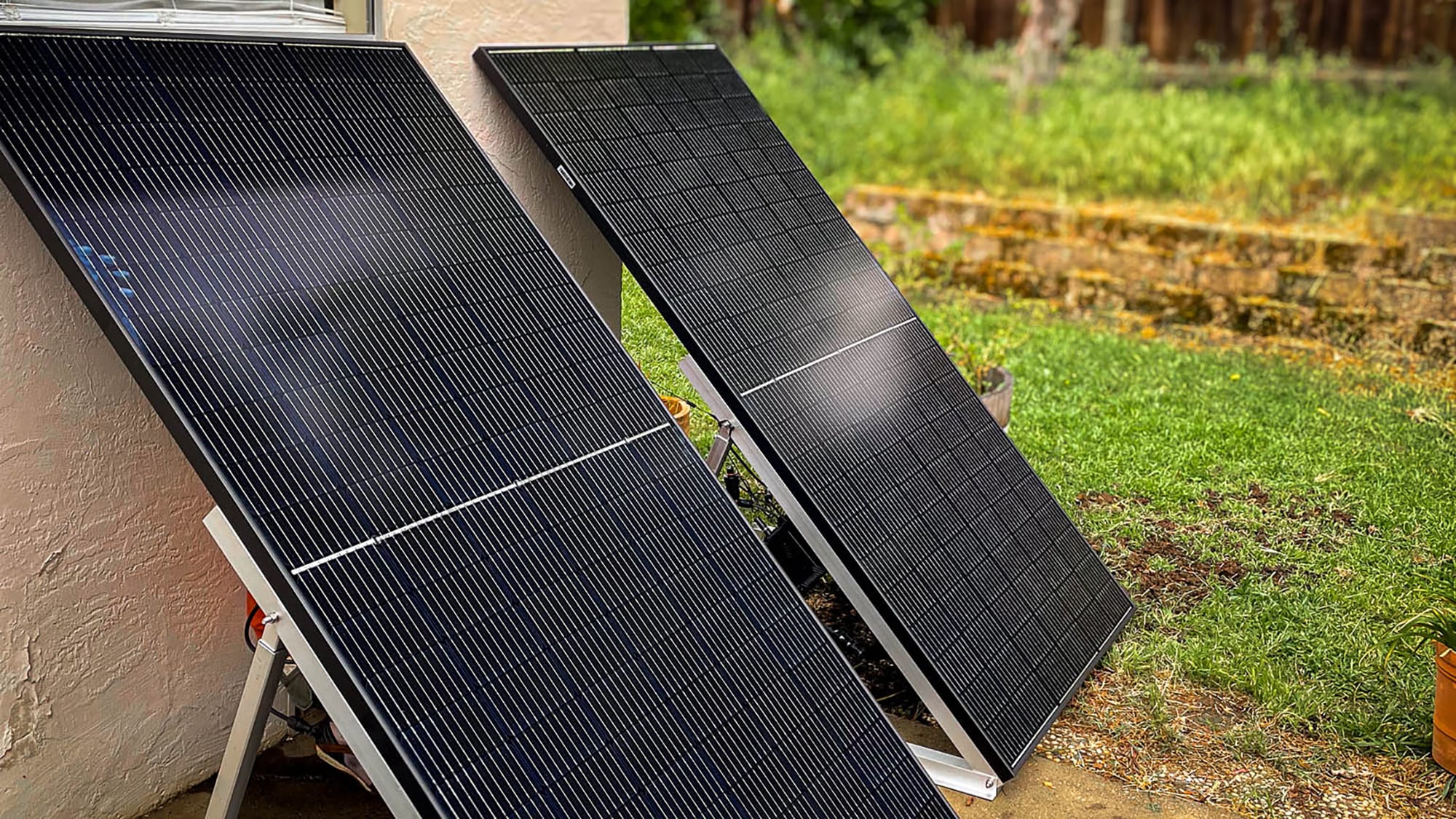
West Virginia households could see average annual savings of $240 if lawmakers pass proposed legislation during the upcoming legislative session.
Plug-in solar systems, which convert sunlight into electricity and connect directly to a standard wall outlet, currently remain illegal in West Virginia. That regulatory barrier could lift when the state’s legislative session begins on January 13, 2027.
Also known as balcony solar or plug-in photovoltaics, these portable units offer a way to generate electricity without complex rooftop installations. Systems typically feature a maximum power output of 1200 watts and require an average payback period of seven years.
The proposed legislative framework rests on four essential provisions:
- Creating a formal definition for a plug-in solar generation device
- Setting system size requirements capped at a 1200-watt maximum power output
- Requiring safety certification by a nationally recognized testing laboratory
- Exempting the hardware from traditional utility interconnection requirements
A1 Solar Store notes that West Virginia averages 4.50 peak sun hours per day, allowing a standard 5kW photovoltaic system to produce up to 6,805 kWh on a sunny day.

Rising electricity prices across the state have driven interest in alternative energy sources. The 1200-watt plug-in systems offer a practical option for renters, apartment-dwellers, and homeowners whose roofs suffer from heavy tree shading or up-front cost barriers.
When used properly and in compliance with safety standards, plug-in solar hardware operates with safety levels comparable to common household appliances like hair dryers. State laws in other regions mandate certifications from organizations such as Underwriters Laboratories.
Ten states have already established legal pathways for plug-in solar systems, including Virginia, Maryland, Utah, and Colorado.
Worth a look

Alabama State Beats Alcorn State as Saiki Reaches 500-Assist Mark
Daylin Saiki recorded 23 assists on Friday evening to become the first Alcorn State player since 2019 to...
Millennials Lead Shift to Value Brands as Inflation Forces Consumers to Trade Down
"Consumers are still spending, and they're adapting to inflation, but adapting is not the same thing as escaping...

BLM to Use Winter Prescribed Burns to Target Wildfire Risks in Wyoming
Fire has always shaped American ecosystems, acting as a natural engine of renewal long before modern settlement. Today,...

Milwaukee Couple Reconsiders Financial Habits After Inheritance
Milwaukee couple Mariza and Geffrey Gordon cleared their credit card debts and boosted their credit scores above 750...