
US President Donald Trump, China’s President Xi Jinping, and Russia’s President Vladimir Putin will hold their first trilateral meeting on the sidelines of the Asia-Pacific Economic Cooperation summit in Shenzhen, Al Jazeera reported.
Washington confirmed Trump’s attendance on Friday for the gatherings scheduled from November 18-19. The high-stakes summit brings together the world’s three biggest nuclear powers amid profound global turbulence, including the deadlocked US-Israeli war on Iran and persisting trade friction between Beijing and Washington.
"US Secretary of State Marco Rubio and Chinese Foreign Minister Wang Yi agreed on Wednesday on the importance of leader-level talks to advance peace and denuclearisation, including in any trilateral summit with Russia, the US State Department said." https://t.co/zVhMxzaVlS
While the White House indicated that nuclear proliferation will anchor the agenda, participating nations arrive with starkly divergent priorities and expectations.
Global Atomic Arsenals Face Uncertainty After Treaty Lapse
A central focus for Washington and Moscow remains the status of global atomic arsenals following the February lapse of the New Strategic Arms Reduction Treaty, which was first signed in 2010 to cap US and Russian strategic warheads.
⚡️Trump, Putin to discuss Ukraine peace settlement during meeting in China, Kremlin says. "Naturally, during the planned meeting with him at the APEC summit in Shenzhen, we will continue to discuss the full range of issues related to the settlement."https://t.co/59TYzIdtci
Russia currently possesses the largest number of warheads, followed by the United States and then China, which is rapidly building up its own arsenal. Trump previously rejected Russia’s proposal to extend the expired treaty, demanding instead a new deal that includes Beijing.
However, China has signaled strong reluctance to join an agreement it had no part in forming. A senior Trump administration official told Reuters that the nuclear topic will start the conversation, adding that “we do not expect to get to any kind of agreement.”
“On the sidelines of APEC, the US and China have a chance to begin the long, uncertain road to jointly mitigating these risks.” I and several Brookings colleagues offer some brief thoughts on APEC and Trump’s upcoming trip to China: https://t.co/Nr26naY4K7 pic.twitter.com/wCsKzHpKaw
The leaders will also address the aftermath of the US-Israel war on Iran launched on February 28.
Nations Express Anxiety over Potential Three-Way Summit
The prospect of a direct three-way summit has stirred intense anxiety among nations excluded from the table, particularly in Eastern Europe, the Baltic states, and Ukraine. Ukrainian President Volodymyr Zelenskyy joined others in expressing concern that the gathering could mirror a Yalta 2.0 moment, where major powers carve up spheres of influence at the expense of smaller nations, The Guardian reported.

Kremlin spokesman Dmitry Peskov called the trilateral meeting “extremely significant” while pointing out that agreements reached cannot be imposed on other nations.
Analyst Alicja Bachulska wrote for the Lowy Institute that a repeat of Yalta was impossible because the US, Russia, and China do not share the same strategic calculus under current geopolitical conditions.
“The president has made it clear that, among other topics, he will discuss the reduction of nuclear weapons in the world. This proliferation, President Trump believes, is very dangerous,” Olivia Wales, a White House spokesperson, told reporters.
With no formal agreements guaranteed, the upcoming talks will serve primarily as an initial diplomatic test for the world’s foremost nuclear powers.
More on Donald Trump
Worth a look

Trump Orders Vance to Abandon Iran Diplomacy, US Expert Says
President Donald Trump turned sharply against Vice President JD Vance on Thursday, publicly ordering him to abandon ongoing...
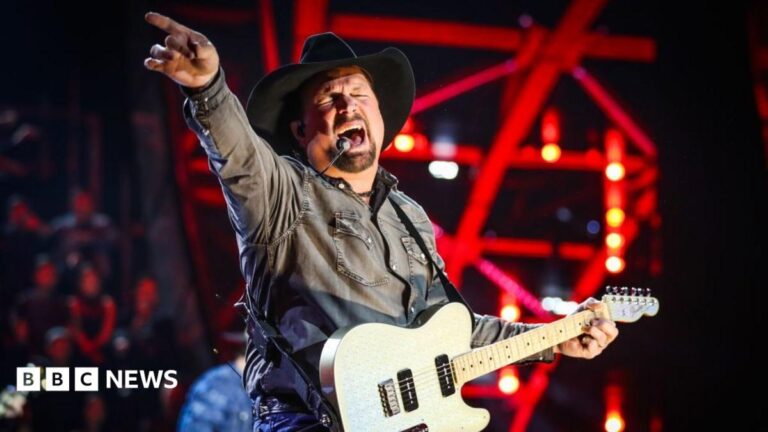
Garth Brooks Returns to Ireland for 2027 Tour as Tickets Sell Fast
Country music icon Garth Brooks will return to Ireland in May and June 2027 for a ten-date tour...
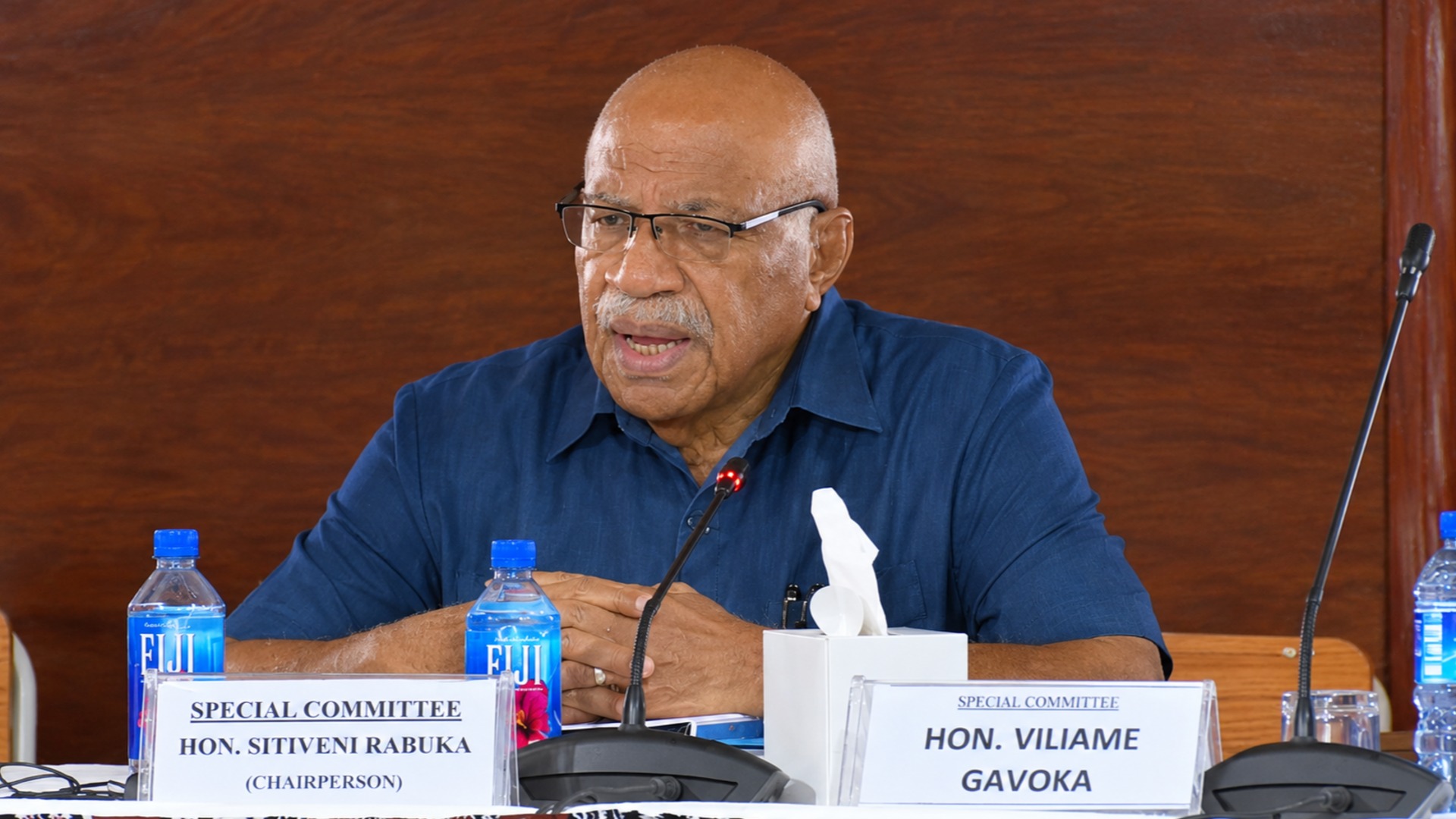
Rabuka Says Constitution Bill Will Go to Referendum or Die With Parliament
Should the Constitution Amendment Bill gain a two-thirds majority in Parliament, it advances to a public vote, whereas...

‘This Winter Is Crucial’: Latvian PM Urges Europe to Boost Ukrainian Aid in Coming Months – TVP World
Andris Kulbergs warned that the upcoming winter months represent a critical juncture for European security, urging the continent...