
Providence’s recycling acceptance rate jumped nearly 245 percent from October 2025 to October 2026, a turnaround city officials attribute to a curbside inspection program and new standardized carts.
The city went from an average of 7.25 accepted truckloads per week at the Rhode Island Materials Recycling Facility in January 2026 to 25 per week by October, Josh Estrella, spokesperson for outgoing Providence Mayor Brett P. Smiley, told The Boston Globe. Accepted recyclable tonnage rose 236 percent from October 2025 to October 2026, from 153 tons to 514 tons.
Providence recycled just 2.6 percent of its solid waste in 2025, the lowest rate in Rhode Island, according to the Rhode Island Resource Recovery Corporation. Johnston came in second lowest at 11 percent, whereas Middletown posted the top rate at 33.7 percent.
Contaminated loads had cost the city $2 million to $3 million a year in tipping fees and penalties, said Eva Touhey, recycling project leader for Zero Waste Providence. A clean load costs the city nothing; a contaminated one costs $63 per ton — or $115 per ton if the city is over an annual tonnage cap.

Zero Waste Providence, a local nonprofit, won a city contract in 2025 to run the education program. It is funded by a $185,000 federal Environmental Protection Agency grant and a $37,600 grant from the Rhode Island Resource Recovery Corporation secured by the city Department of Sustainability. No city dollars are used.
Street teams inspect bins using the Ecanvasser app, targeting a section for three weeks. They tag bins with “Yay! Super Bien!” for clean loads or a yellow tag indicating a violation for contamination. “The satisfaction is seeing ‘Oops!’ go to ‘Yay!'” said Denise Jaiman, the street team leader.
Jaiman considers plastic bags the No. 1 enemy of proper recycling, stating, “Plastic and Styrofoam — those things are the death of me,” adding that plastic bags can get caught in the machines that separate recyclable materials. Her colleague, Divine Truth, cites plastic clothes hangers as the number one recycling mistake. Teams also find plastic bags filled with dog waste, air conditioners and wigs in recycling bins.
Jaiman and Truth both completed Providence-based Garden Time’s Green Reentry Job Training program for formerly incarcerated men and women. “Most people want to do the right thing,” said Deborah “Debbie” Schimberg, Zero Waste Providence founder and board chairwoman. “It’s just an exciting thing to see that we can solve problems.”
The state’s Central Landfill is projected to reach its permitted capacity in 2046. “We’re trying to make it last a little longer,” Jaiman said. “And it’s just the right thing to do: It’s the circle of life.”
Worth a look

Construction Begins on 10-Mile Brooklyn Bridge Trail Near Helena
The Helena-Lewis and Clark National Forest and Prickly Pear Land Trust are moving forward with construction of the...
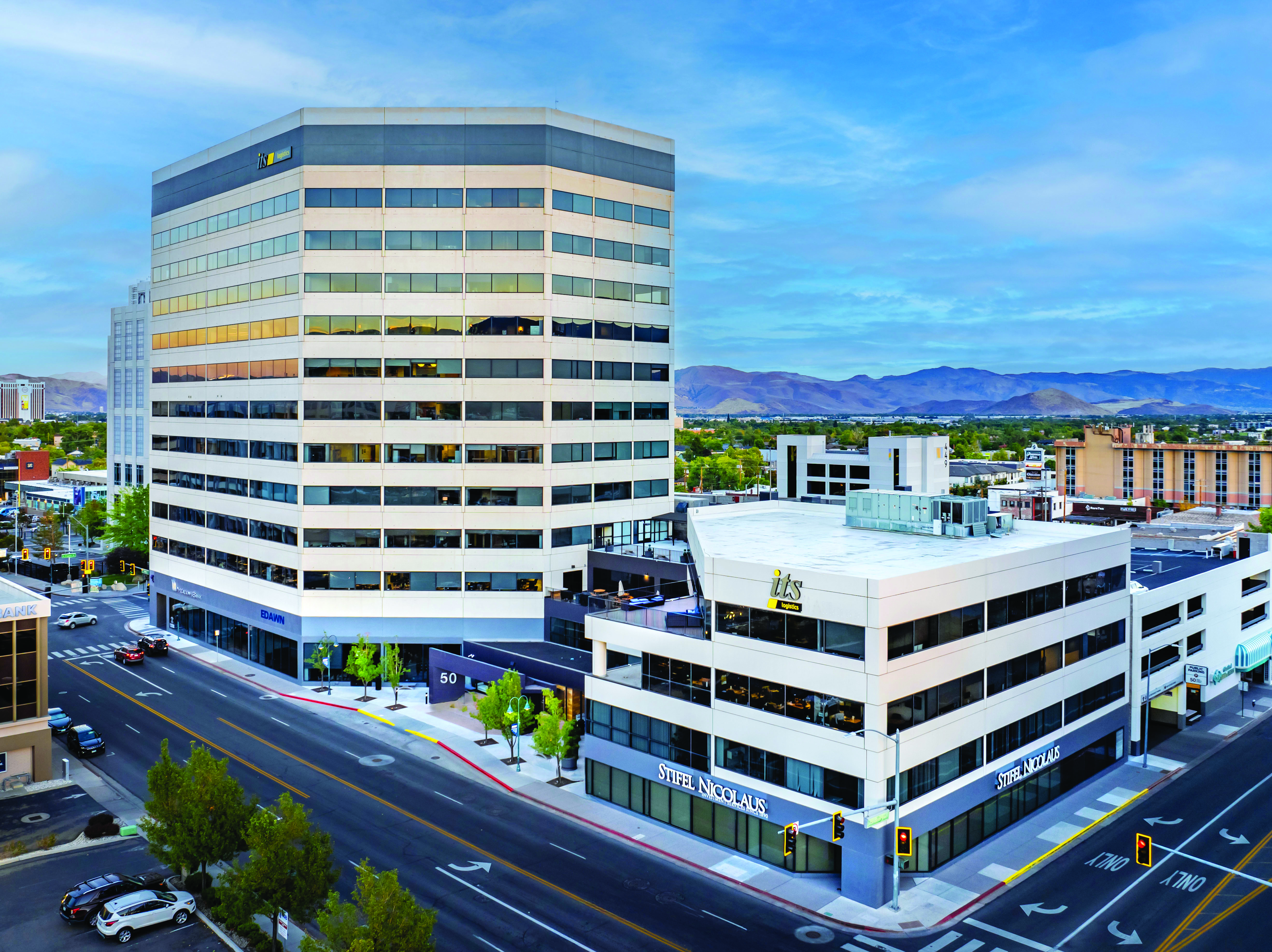
Northern Nevada Office Vacancy Falls to 7.8% Record Low; Absorption Tops 200K SF
De Castroverde Law relocated its headquarters to the nine-story tower at 200 S., pushing Northern Nevada office vacancy...
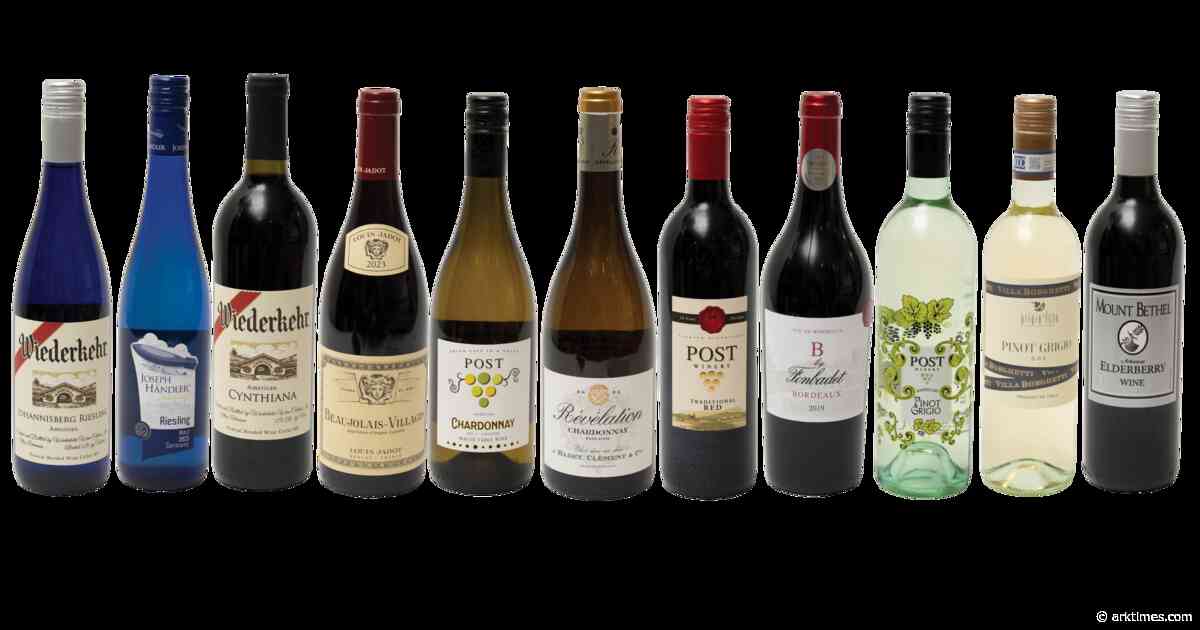
Arkansas Times Columnist Blind-Tastes Arkansas Wines Against European Bottles
Arkansas Times columnist argued that blind tasting reveals Arkansas wines can compete with European counterparts despite entrenched bias...

Blumenthal to Introduce Constitutional Amendment Restricting Presidential Pardon Power
Sen. Richard Blumenthal said Thursday he will introduce a constitutional amendment to restrict presidential pardon power, calling the...