
A PSNI officer tasked with investigating a vulnerable woman’s harassment complaint instead pursued a sexualised relationship with her over three years, leading to his dismissal last month after a Police Ombudsman inquiry found “predatory behaviour.”
The officer met the woman in November 2018 when assigned to investigate her allegations against a former partner. By February 2019, the relationship had shifted from professional to personal, the ombudsman’s investigation found. Over three days that month, the pair exchanged more than 80 emails, many containing sexualised content, RTÉ reported. When the officer’s personal phone broke in 2021, he used his work mobile to send roughly 370 text messages in nine days, arranging meetings on and off duty, according to The Irish Times.
“He met a vulnerable woman reporting a domestic crime against an ex-partner and quickly initiated contact with her,” said Hugh Hume, chief executive of the Police Ombudsman’s Office. “There was a swift move from professional to personal communication and from the outset, messaging was flirtatious and sexualised.”
The woman told investigators she had been in a “very vulnerable” state and believed the officer was trying to help her. Both denied a physical sexual relationship, but a disciplinary panel determined an emotional and intimate relationship existed. The officer’s investigation of her harassment claims was found to be partial and one-sided; he did not pursue counter-allegations from the ex-partner and failed to declare a conflict of interest despite several opportunities.
Chief Constable Jon Boutcher referred the case to the ombudsman in July 2024. The Public Prosecution Service declined to prosecute. The PSNI’s disciplinary branch dismissed the officer last month.
“These cases do enormous harm to the individuals affected and to wider confidence in policing,” Hume said.
The case follows the dismissal of two other PSNI officers weeks earlier for photographing and filming vulnerable people they were sent to assist. Deputy Chief Constable Bobby Singleton acknowledged the damage to public trust.
“It’s obviously disheartening in one respect when you see the behaviour of officers in this manner, and will obviously call the public to question whether they can trust their service,” Singleton said. “That’s the fundamental issue here: can you trust the police? My message to the public today is you absolutely can trust the police.”
Singleton highlighted that both investigations were self-referred by the PSNI. “Ultimately, after the PPS made decisions in both cases not to prosecute, it was the PSNI’s senior officers who held these people to account,” he said.
Hume called for disciplinary hearings to be fast-tracked. Currently, they can only proceed once potential criminal charges have been assessed and concluded.
Ombudsman urges faster disciplinary process
Hugh Hume, chief executive of the Police Ombudsman’s Office, said disciplinary hearings should be fast-tracked because they currently wait until potential criminal charges have been assessed and concluded.
Hume called on anyone who has experienced such behaviour to contact the ombudsman, promising the office will listen and investigate. He also urged any police officer aware of corrupt conduct to report it.
PSNI leadership stresses self-referral and accountability
Deputy Chief Constable Bobby Singleton said both recent investigations were instigated by the PSNI itself, which invited transparency by referring the matters to the ombudsman. He said that after the Public Prosecution Service decided not to prosecute in either case, it was the PSNI’s senior officers who held those involved to account.
The Police Ombudsman’s Office holds the statutory power to independently investigate all public complaints against PSNI officers, a role established because the law prohibits the police from investigating themselves, according to the Office of the Police Ombudsman for Northern Ireland (OPONI).
Since opening on 6 November 2000, the office has deployed investigative teams comprising roughly two-thirds of its 150 staff to handle between 2,800 and 3,600 complaints annually, covering current conduct within the previous 12 months as well as grave or exceptional historical matters involving deaths or serious criminality regardless of when they occurred.

Singleton said there is “absolutely no place for people who display these kind of behaviour, who fail to live up to the ethical standards of the organisation.” He told the public they can absolutely trust the police.
More on Police Ombudsman

ASEAN Chief Kao Kim Hourn Warns Thai-Cambodia Ceasefire Is Fragile
"We should not allow the third round to take place. I think we must prevent another possible eruption...

Kayley Stead Marries Richard Perrott Four Years After Groom Vanished
Kayley Stead walked down the aisle on Friday to applause, four years after her first fiance failed to...

KKV Group Launches MERRY GIFTmas Campaign Across Six Southeast Asian Countries
KKV Group is rolling out its MERRY GIFTmas Christmas campaign across nearly 150 stores in six Southeast Asian...
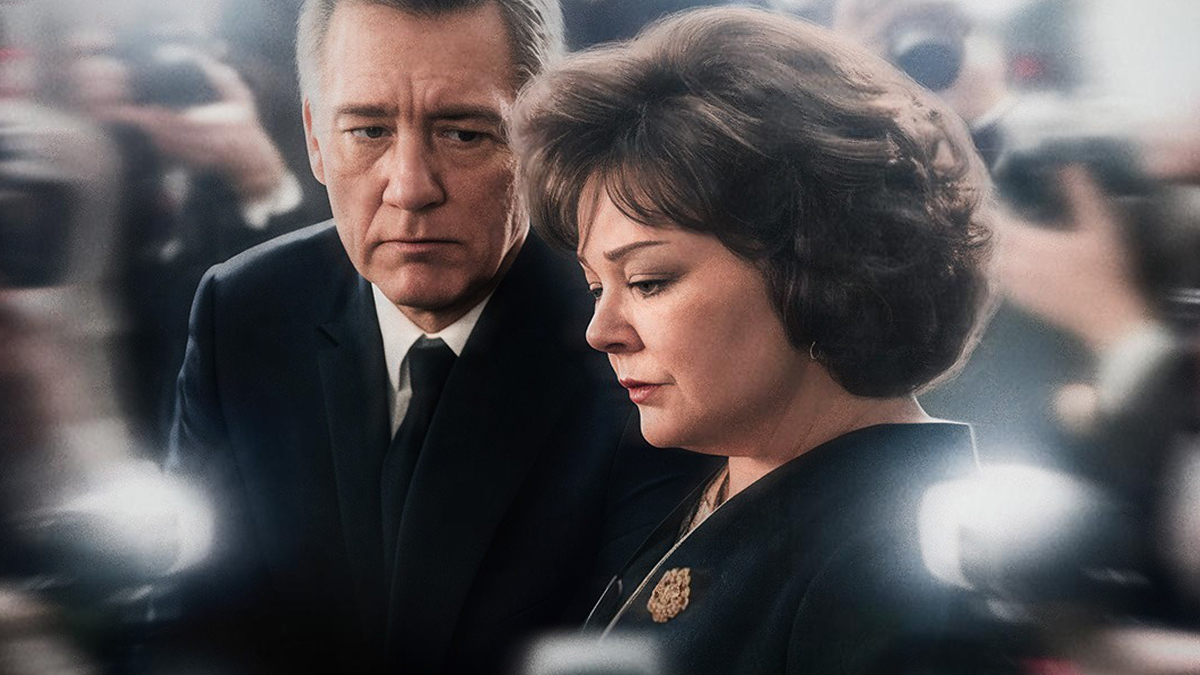
Melissa McCarthy, Clive Owen Channel Parental Grief in the Murder of JonBenét Ramsey Trailer
Netflix will drop all six episodes of Murder of JonBenét Ramsey on December 10, 2026, just weeks before...