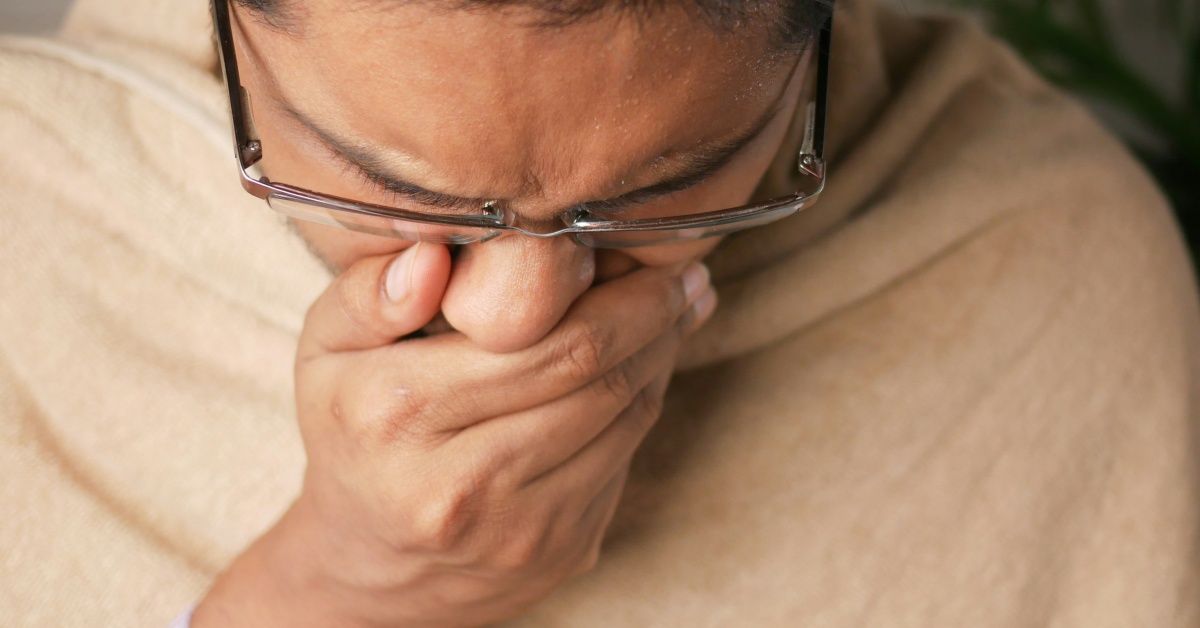
Public Health Madison & Dane County warns norovirus season has started and you remain contagious for at least 48 hours after symptoms stop.
If you have spent the last 24 hours hovering near a bathroom, you are likely dealing with the season’s most unwelcome visitor.
As of November 18, 2026, Public Health Madison & Dane County confirmed that while current wastewater levels of the virus remain low, we are entering the time of year when infections typically spike. Norovirus is the leading cause of vomiting and diarrhea, and for many, the winter months signal the start of its most active period.
The virus is notoriously efficient at spreading. On average, a single person infected with norovirus can transmit it to between two and seven other people. It moves through microscopic traces of vomit or stool that linger on surfaces, hands, or in contaminated food and water. Whether it was a shared meal or a handshake, the path to infection is often invisible and frustratingly fast.
So, how long are you in for? Most people recover completely within one to three days, though the agency notes it often feels significantly longer. There is no specific medication to treat the virus, which means your primary tools for recovery are rest and hydration. You should drink fluids slowly to avoid further stomach upset and monitor yourself for signs of severe dehydration, such as dizziness, fainting, or decreased urination.
While most healthy adults ride out the illness at home, certain groups face higher stakes. Public Health Madison & Dane County advises that you must contact a healthcare provider if you or someone you are caring for is pregnant, 65 years or older, has a weakened immune system, or is a child under the age of five.
You should also seek medical attention if you experience severe symptoms, such as a high fever, extreme nausea, or bloody diarrhea.
The danger does not end the moment you start feeling better. You remain contagious while you are sick and for at least 48 hours after your symptoms stop. In some cases, the virus can persist in your system for two weeks or more.
Because of this, it is critical that you do not prepare food or drinks for family, friends, or coworkers during that 48-hour window. The virus is stubborn; hand sanitizer is largely ineffective against it, so you must wash your hands thoroughly with soap and water for at least 20 seconds.
If you are looking for local data, the Wisconsin Department of Health Services has launched a brand-new dashboard to track infection levels across the state. Staying informed is useful because there are many different strains of the virus, meaning an infection now does not necessarily grant you immunity later this winter.
If you are cleaning up after an outbreak in your home, follow the official CDC instructions for disinfecting surfaces and ensure all laundry is washed in hot water to kill any remaining traces.
The reality of norovirus is that it thrives on our shared spaces and daily habits. It is a reminder that in the colder months, the most effective defense against widespread illness remains the simplest one: consistent, diligent hygiene.
Keep reading

Texans Welcoming Back Montgomery; Rule Out Hunter, Harrison Jr., Jordan, Marks
The Houston Texans are welcoming back running back David Montgomery for Thursday night’s divisional clash against the Indianapolis...

Indian Women Deeptech Founders Bridge Capital Gaps and Scaling Realities
The transition from laboratory research to commercial-scale deployment remains the primary obstacle for India’s deeptech sector, where capital-intensive...

GE Aerospace Siren Startles Tri-State Residents Tuesday Night
A loud, disruptive siren echoed across Evendale, Wyoming, and Lincoln Heights late Tuesday night, startling residents who were...

Three Charged in Monongalia County Munchausen by Proxy Case After Child’s Unnecessary Surgery
Three adults were charged in Monongalia County following an investigation into medical child abuse, commonly known as Munchausen...