
Stakes Rise as Talks Resume in Public Sector Pay Dispute
Government officials and trade union delegates are maintaining discussions with a neutral panel to try and pave the way for formal negotiations concerning the ongoing public sector pay dispute. Meetings with a Government-appointed group, chaired by Workplace Relations Commission Chair Kevin Foley, were adjourned last night.
The renewed diplomatic push comes just days after unions announced plans for a 24-hour strike on Thursday, November 12. Tánaiste Simon Harris acknowledged the urgency of the situation, pointing to a “particularly important window available over the weekend” to resolve the ongoing dispute.
The current impasse stems from the rejection of a Government pay offer worth 7.75 percent over two and a half years, which unions argue falls well short of protecting workers against rising living costs. The rejected package comprised general pay increases totaling 6.75 percent, alongside an additional 1 percent allocated for local bargaining.
Talks Collapse After Nationwide Strike over Inflation Gap
The previous public sector pay agreement, which was worth 10.25 percent over two and a half years, officially expired at the end of June. More than 300,000 public sector workers participated in a nationwide strike on October 14 to press for a successor agreement that closes the gap on inflation. A subsequent stoppage planned for October 21 was suspended to allow for negotiations, but those talks at the Workplace Relations Commission collapsed last Friday.
Kevin Callinan, who serves as the General Secretary of Fórsa and chairs the Irish Congress of Trade Unions’ Public Services Committee, noted that public sector employees are seeking an arrangement that surpasses the terms of the prior accord. Speaking on RTÉ Radio 1’s Morning Ireland, Callinan maintained that the current Government offer is not credible. Unions have criticized the structure of the local bargaining allocation, pointing out the absence of guaranteed minimum increases to support lower-paid staff.

“Nobody wants to be on strike next week. Nobody, including our own members who will be faced with similar issues if they’re parents and children, nobody wants that. The question now is whether or not the Government are going to settle.” — Kevin Callinan, General Secretary of Fórsa
Efforts to resolve the dispute continued as representatives engaged separately with the steering committee chaired by Kevin Foley, aiming to establish a basis for face-to-face talks. Yet, those preliminary discussions concluded without a breakthrough.
Logistics of the November 12 Day of Action
Unlike last month’s widespread work stoppages, the upcoming November 12 action will take a different structural form. Rather than setting up picket lines outside individual workplaces, striking workers will be encouraged to participate in organized rallies and marches across eight locations. Rallies are scheduled to take place between 12pm and 2pm in Sligo town, Dublin, Cork city, Limerick city, Galway city, Waterford city, Letterkenny, and Tullamore.
The timing of the Dublin demonstration carries substantial logistical weight. It coincides directly with a major meeting of world leaders attending the European Political Community summit in the capital, marking a flagship event during Ireland’s presidency of the Council of the European Union. Extensive road closures and traffic restrictions are planned for the European summit, and the striking workers’ march from O’Connell Street to Government Buildings is being worked out.
What Lies Beyond Next Week
If the weekend engagement fails to yield a settlement, the dispute will not end with a single day of protests. Union leadership has made clear that the November 12 strike will likely serve as the prelude to an extended campaign of rolling local and sectoral disruption.
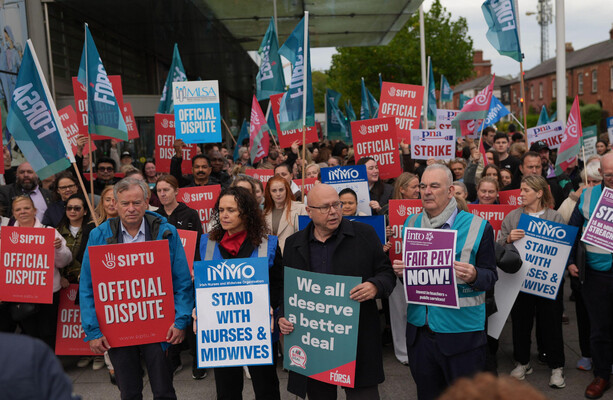
Fórsa has discussed deploying its strike fund to rotate actions across specific sectors—such as health, education, social protection, and local government—taking out targeted groups of members week by week. As the independent group continues its mediation efforts over the weekend, the central question remains whether a compromise can be struck before the country faces a disruptive wave of targeted public service strikes.

Christopher Sepúlveda Overcomes Rare Childhood Epilepsy Diagnosis
When Christopher Sepúlveda was two years old, his parents noticed involuntary movements in his mouth and eyes, alongside...

Study Finds OAB Drugs May Not Increase Dementia Risk
New research finds that anticholinergic medications commonly prescribed for overactive bladder may not increase dementia risk compared to...
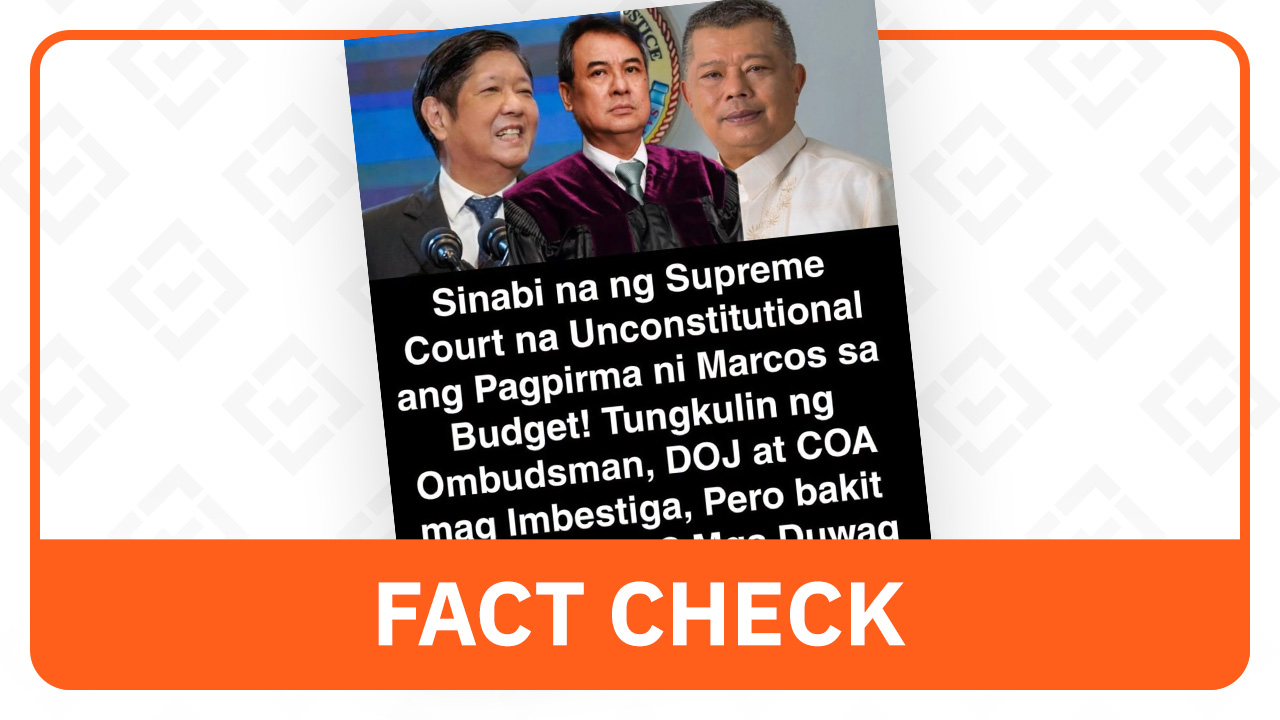
13-2 SC Ruling on National Budget Does Not Make Marcos Signing Unconstitutional
Supreme Court Faults Congress, Not Marcos, in Budget Ruling When a graphic began circulating on Facebook via the...

AP MPTC and ZPTC Election Results Live: Counting Underway Across 365 Centres
Counting Underway Across 365 Centers for Andhra Pradesh MPTC and ZPTC Elections The political landscape in Andhra Pradesh...