
A 10-4 vote by the Pulaski County Quorum Court on Tuesday night effectively ended a months-long political stalemate, overriding a veto to enact strict new land-use regulations for data centers in Arkansas’ most populous county.
The override follows a contentious cycle of governance. In September, outgoing Pulaski County Judge Barry Hyde vetoed the regulations that the panel had originally passed. Hyde, who lost the March Democratic primary to former circuit and appeals Judge Wendell Griffen—the very man who authored the regulations—had cited legal concerns and potential risks associated with enacting such limits. According to reports from the Arkansas Advocate, the Pulaski County Quorum Court’s vote on Tuesday to override the county judge’s veto ensures the land-use regulations for data centers are now in effect.
The New Requirements for Computing Hubs
These regulations don’t place a hard cap on the total amount of electricity or water a facility can consume, but they shift the burden of proof onto the developers. Under the new rules, any prospective data center project must now submit a comprehensive suite of documentation to the county, including:
- Detailed electrical load analyses to assess grid impact.
- Comprehensive water and wastewater management plans.
- Land-use suitability studies.
- A formal decommissioning plan for when the facility eventually closes.
Beyond the paperwork, developers must now demonstrate that their project won’t materially impair
the public infrastructure or utilities serving the surrounding properties.

AVAIO Project Must Comply with New County Regulations
The timing of this override is critical for specific projects already in the pipeline. While one planned data center sits within Little Rock city limits—where the city passed its own requirements over the summer—another is slated for an unincorporated area just off 145th Street. This second project, being built by AVAIO, will be required to comply with these new county regulations, according to the ordinance’s sponsor.
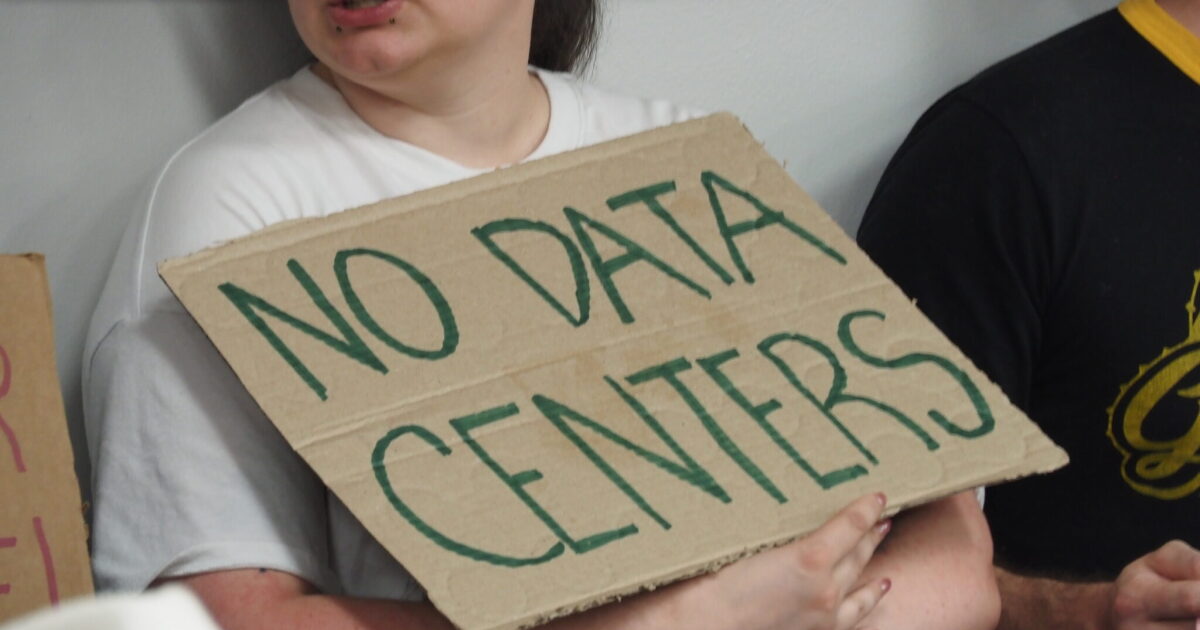
The fight over these facilities has created a sharp divide in central Arkansas. On one side are pro-growth interests, such as the Little Rock Regional Chamber of Commerce, who view data centers as economic engines. On the other are local residents who fear the environmental and infrastructural strain.
The AI Driver and Regional Momentum
While data centers have powered email and social media for decades, the generative AI models being developed by giants like Google, Meta, and OpenAI require exponentially more computing power and cooling capacity.
Pulaski County isn’t alone in this pivot. Just one day before the Quorum Court’s override, the city of Van Buren also approved its own set of data center regulations.
A History of Political Friction
The path to this override was rarely smooth. In June, opponents thought they had won a temporary moratorium, only for the county clerk to announce days later that a vote miscount had invalidated the result.
The regulations were written by Wendell Griffen, the man who defeated Barry Hyde in the Democratic primary.
Currently, AVAIO is one of six planned data center projects across the state of Arkansas, with sites in West Memphis and Clarksville already under construction.

NYC Marathon for Alzheimer’s: Influencer Crust by Carson
Social media influencer Carson Gillaspia, known to millions as "Crust by Carson," is set to run the 2026...

Sen. Stan Clouse intends to bring Head Start programs into state law
Approximately 5,500 children from low-income families in Nebraska are served by Head Start across 37 programs statewide, yet...

Center for Warriors proposes $150M veterans complex in Helena
The Center for Warriors Foundation is proposing a $150 million veterans corrections complex in Helena, Montana, designed to...

Chiefs Urged to Trade for Adonai Mitchell to Fix Downfield Passing
The Kansas City Chiefs are facing urgent calls to acquire New York Jets wide receiver Adonai Mitchell before...