
The Arctic Seabird That Kept Wyoming Birders Waiting
When an immature long-tailed jaeger touched down at East Allen Lake in Carbon County, it broke a predictable migration routine that usually keeps the circumpolar species far out over the southern Pacific or Atlantic oceans. For two weeks between October 2 and October 17, the Arctic-nesting seabird turned a scrubby Bureau of Land Management wildlife habitat unit into an unexpected hotspot for regional birdwatchers.
The visitor first appeared on eBird records through the documentation of Tyrell Perry on October 2. When Don Jones spotted the entry later that day, he and his father, George, drove out to the flats to find a species that had long eluded Don’s life list. By the time members of the Cheyenne – High Plains Audubon Society met up with the Laramie Audubon Society on October 17 for their traditional joint outing to the Laramie Plains lakes, tracking down the jaeger required a 57-mile detour to Medicine Bow.
A Routine Migration Upended by an Accidental Traveler
The long-tailed jaeger is a tern-like seabird that nests on the Arctic tundra before making its long journey south for the winter. While eBird has captured a few rare inland Wyoming records—including another individual spotted south of Laramie in 2020—finding one landlocked in Carbon County is an unusual event. Photos taken by 15 different observers through October 17 show an immature bird marked by brownish plumage and white patterns, differing sharply from the white, pale gray, and black-capped plumage of a breeding adult.
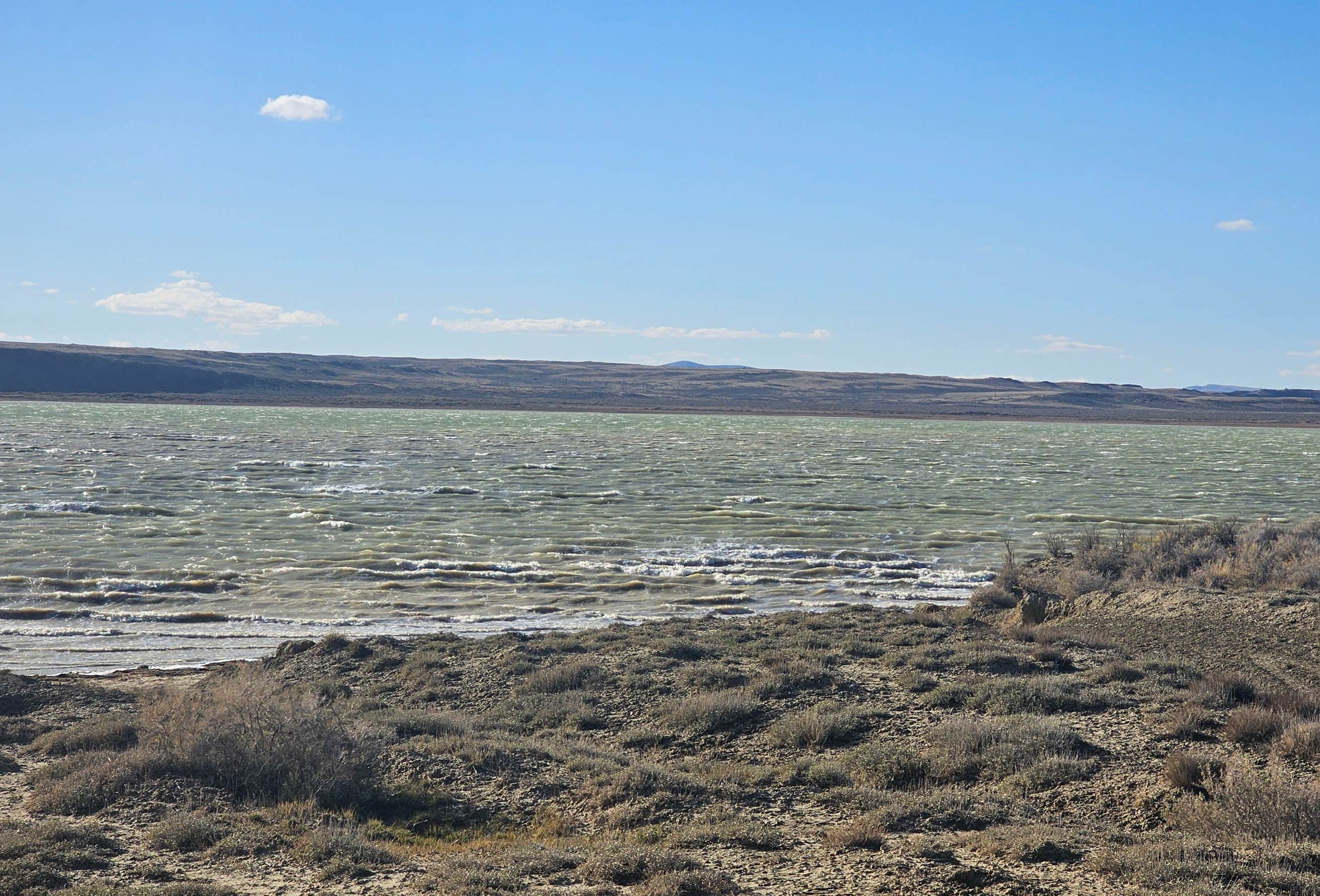
Interestingly, the seabird spent its Wyoming layover in the company of a Sabine’s gull, another rare fall migrant in the interior United States. Despite the German root of their name—”jaeger” translating to hunter—long-tailed jaegers frequently rely on piracy, choosing to trail gulls and steal meals rather than catch fish directly.

One member of the Cheyenne birding party narrowly missed the initial sighting after heading straight for the site’s vault toilet following the hour-long drive from Laramie. Fortunately, the jaeger lingered long enough for the entire group to add the species to their life lists before it eventually moved on.
Meanwhile, other regional birders spent October exploring exotic birds on a global scale. Following the local jaeger sightings, Cheyenne Audubon members attended a presentation by Pete Arnold featuring photographs from his recent voyage down the Nile River in Egypt aboard a traditional dahabiya. That journey showcased familiar bird families mirroring North American counterparts—such as pied kingfishers, Squacco herons, and cattle egrets—alongside entirely foreign lineages like bee-eaters, hoopoes, and sunbirds.
For local observers balancing local vagrants against global tallies, these encounters highlight how unpredictable migration can be. While some travel thousands of miles to expand their life lists, others simply need to check the right regional lake at the exact right moment.
Keep reading

FULL LIST: Texas general election results for Nov. 3, 2026 – Click2Houston
Texas Voters Head to the Polls on November 3 for High-Stakes 2026 General Election Texans are stepping up...
Multiple Expensive Vintage Guitars Stolen Out Of Chattanooga Turn Up In Nashville
Multiple expensive vintage guitars stolen out of Chattanooga turned up at a prominent Nashville instrument shop last month,...

Goodwill Seemingly Has No Clue It’s Selling a Previously Unknown Leica Prototype Lens
An exceedingly rare piece of photographic history is sitting on a digital auction block in Sioux Falls, South...

South Carolina at Oklahoma: How-to-watch, odds, score predictions, and more
Defensive Battles Set the Stage as South Carolina Travels to Oklahoma South Carolina travels to Norman, Oklahoma, to...