Detroit’s RenCen Deal Wins Approval With $43.5 Million Community Benefits Package
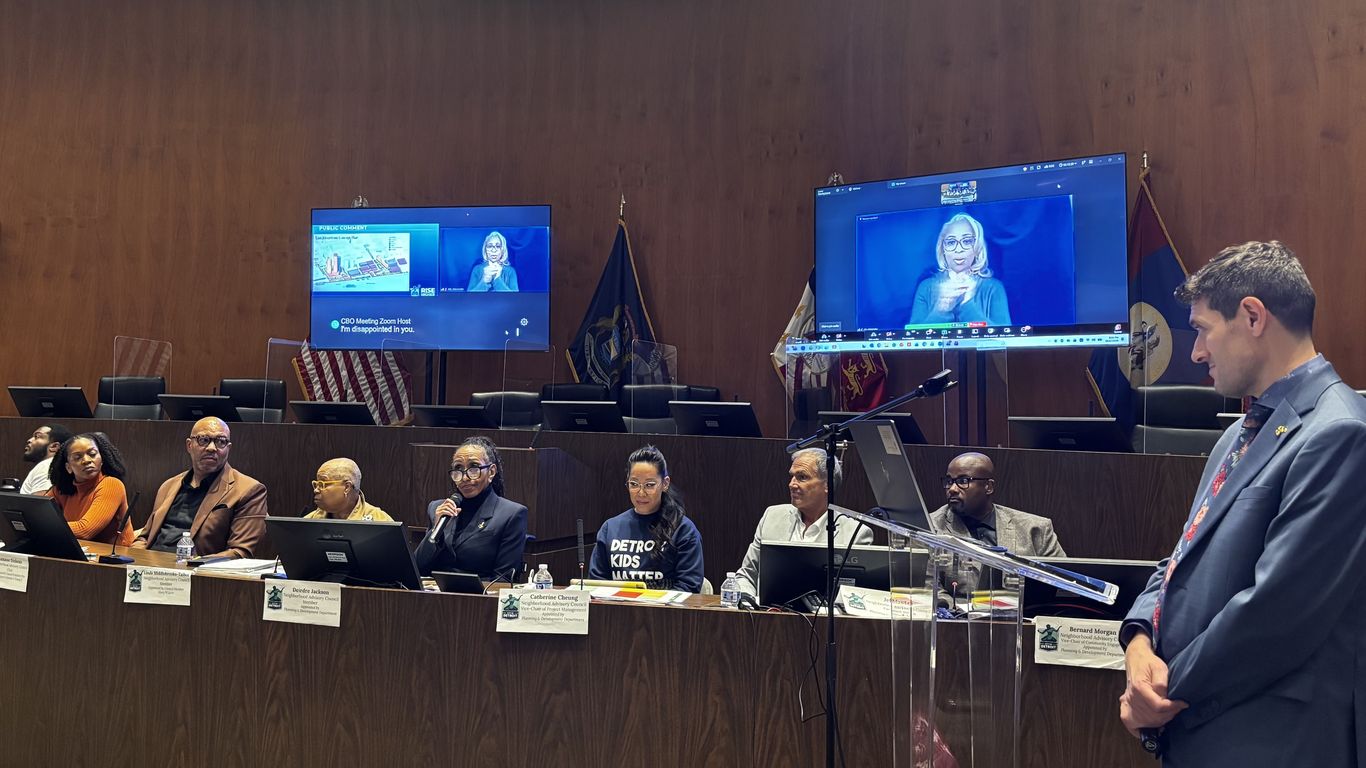
A high-stakes redevelopment plan for the iconic Renaissance Center in Detroit has cleared a major hurdle as a neighborhood advisory committee approved a $43.5 million community benefits package, Axios reported. The agreement marks a critical milestone for a sweeping transformation that aims to reshape the city’s riverfront.
The approved package breaks down into distinct local investments designed to target several urban needs. The financial commitments include $15 million earmarked specifically for affordable housing and neighborhood development. Another $10 million will support small businesses, riverfront retail pavilions, and construction-related assistance. Workforce initiatives secured $6 million for skilled-trades training and education. Meanwhile, developers valued a parking concession giving Detroit residents 90 minutes of free parking at $4.5 million over a 10-year span.
Beyond the initial benefit allocations, developers project nearly $90 million in payments to Detroit over 30 years through a separate property-tax agreement. This follows an initial redirection of $5 million directly to the city’s Affordable Housing Trust Fund.
Inside the Divide Over Public Ownership and Transparency
The path to approval was far from unanimous. The Neighborhood Advisory Council (NAC) split over the terms, reflecting broader community debates regarding public incentives and project control.
“We negotiated in good faith, and we spent a lot of our own time and our own hours doing it, and actually negotiated the largest community benefits agreement in this city’s history,” said NAC chair Jamaine Dickens.
Not everyone agreed with that assessment. Teron Haynes Jr., one of two NAC members elected directly by neighborhood residents, cast the lone dissenting vote against the package.
“I do not believe that the agreement drafted represents the desires of Detroiters,” Haynes said, pointing to ongoing worries regarding public ownership, revenue sharing, and transparency.
Public reaction during recent hearings underscored those sharp divisions. While supporters praised the promised influx of jobs, housing, and small business capital, critics like Detroit resident Josh Lohrke urged the NAC to reject the agreement entirely, pointing out the lack of direct city ownership in the public incentives.
The Broader Redevelopment Vision and What Comes Next
The underlying project calls for the demolition of two RenCen office towers. The grander ambition involves converting the surrounding riverfront into a destination featuring housing, entertainment, and public spaces. Dan Gilbert recently pledged to turn his previously planned $1 billion investment into a gift directed to a new nonprofit. That entity would own the redevelopment and reinvest any resulting profits back into the community.
The timeline moving forward involves key legislative milestones. That will lead into a City Council committee discussion of the community benefits agreement on Nov. 12. Final city council and state approvals for the redevelopment’s financial incentives remain required before heavy work can begin.
Worth a look

Texans Rushing Struggles: Josh Pitsenberger as Potential Solution
The Houston Texans are currently weighing a reunion with undrafted rookie running back Josh Pitsenberger as they struggle...

Indian Startup Times Releases DeepTech Analyst Power List 2026
Indian Startup Times has released the DeepTech Analyst Power List 2026, a ranking of investment professionals and analysts...
Olympia Shifts Downtown Sidewalk Repairs to Night Hours This Week
Downtown Olympia’s ongoing sidewalk overhaul is entering its final stretch, with the city transitioning to nighttime construction starting...
Cheyenne Teen’s Murder Case Against Mother Now a Juvenile Matter
A 14-year-old boy accused of shooting and killing his mother in March is no longer being tried as...