
Washington’s China hawks have found fresh momentum to tighten the screws on U.S. technology exports after the ouster of Nvidia co-founder and chief executive Jensen Huang, a shift that rewrites the rules for American companies selling advanced chips and AI services to Chinese entities.
A year ago Jensen Huang called the term “China hawk” “a badge of shame” and “unpatriotic”; his ouster from Nvidia, where he was co-founder and chief executive, is giving new momentum to policymakers who want to regulate artificial intelligence and establish more guardrails around U.S. technology.
In recent weeks the Trump administration released a new rule aimed at preventing China’s AI industry from accessing computing power running on U.S. chips, supported legislation to restrict sales of advanced chips and chipmaking equipment to countries deemed security risks, fined a U.S. investment firm for funding a Chinese AI company, and weighed whether U.S. companies should disclose use of Chinese open-weight models, the Journal reported.
The administration has also considered new rules around Chinese equipment in U.S. data centers.
“Companies that assumed the light-touch approach would hold through 2028 are going to have to recalibrate,” said Joseph Hoefer, chief AI officer at lobbying firm Monument Advocacy, which represents companies including Netflix and Waymo. “National security gives all sides cover to deal in a way that just wasn’t there before.”
The Huang factor
For much of the past year the administration pursued a détente with Beijing, delaying or toning down measures seen as antagonistic after China imposed crushing export controls on rare earths, the Journal reported.
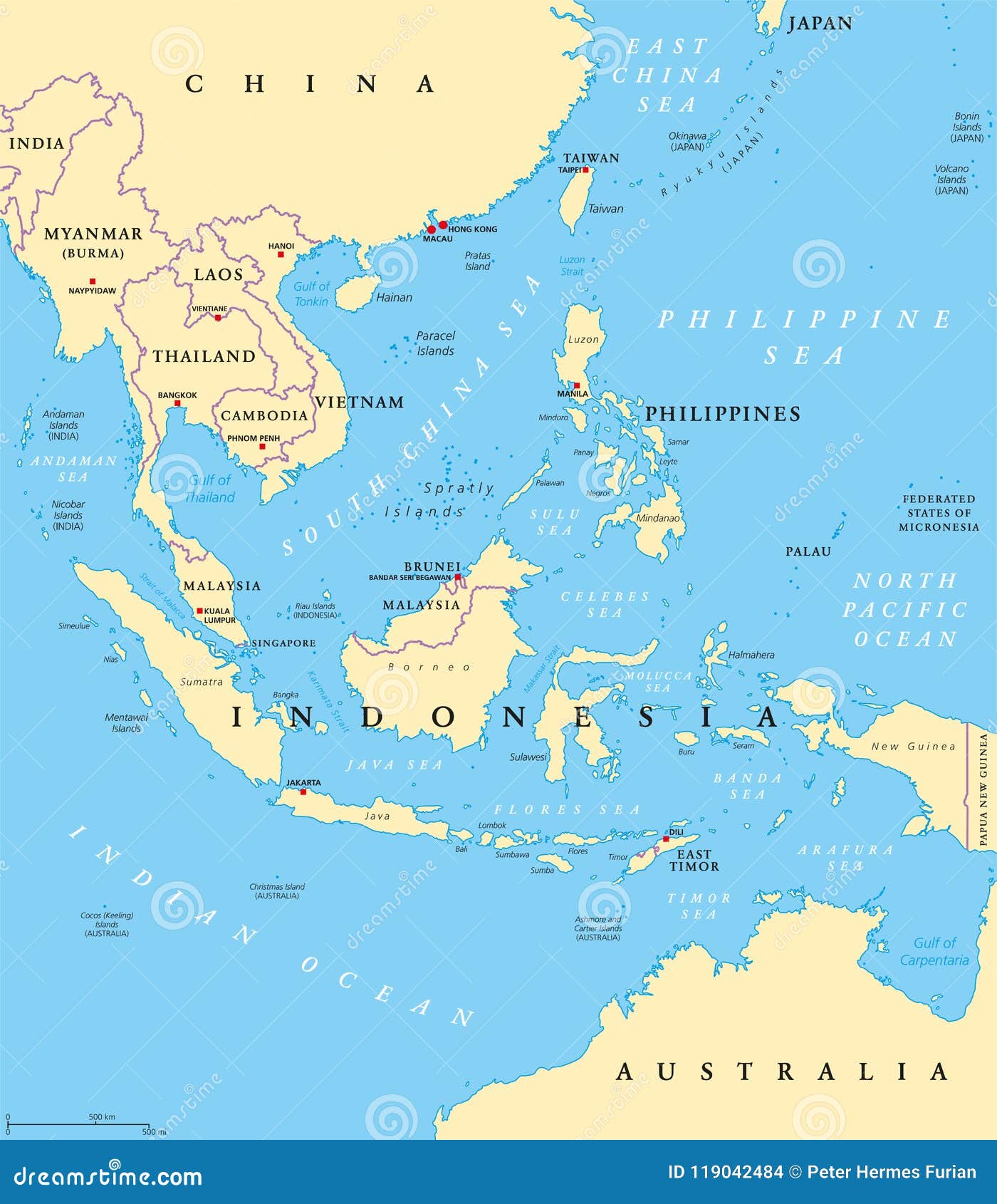
That approach frustrated China hawks on both sides of the aisle who had pushed for investigations into alleged chip smuggling through Southeast Asia, only to watch Huang deny Nvidia had a diversion problem and lobby President Trump directly for fewer regulations and more access to China, the Journal reported.
Commerce Department staffers who advocated for greater restrictions were forced out, and lawmakers blamed the agency for not moving faster to close loopholes.
The recently released chip-export rule makes it more difficult for Chinese firms to access U.S. computing power via third countries, a direct response to the smuggling allegations that surfaced after Huang’s departure, the Journal reported.
Senate Banking Committee leaders have secured Huang’s agreement to testify, while the House Energy and Commerce Committee has requested a briefing from interim CEO Colette Kress on chip exports and Huang’s relationship with a suspected Chinese spy, the Journal reported.
Microsoft-ByteDance deal draws fire
The new political climate has already ensnared other tech giants. The House Select Committee on China has requested a bipartisan briefing from Microsoft on reported plans to sell AI cloud services to ByteDance, TikTok’s parent company, Chairman John Moolenaar (R., Mich.) said Wednesday, according to the Journal.
Lawmakers say there are serious concerns about a U.S. company helping China catch up in the AI race. ByteDance earlier this year moved to assemble computing power with high-end Nvidia chips outside China as it pursued ambitions to become a global AI leader, the Journal reported.
Administration weighs disclosure rule for Chinese AI models
The administration is also weighing a rule that would require U.S. companies to disclose which Chinese AI models they deploy — an effort to discourage the tools without banning them outright, people familiar with the matter told the Journal. Many top companies, including Airbnb and crypto firm Coinbase, use Chinese AI tools because they are often cheaper and easier to customize than models from OpenAI and Anthropic, LiveMint reported.
“There are those of us who wanted to have this regulation and now it’s becoming obvious why we need to have it,” said Sen. Pete Ricketts (R., Neb.), one of the lawmakers pushing for more chip-export restrictions. “This gives us more momentum to go back and do more restrictions.”
Keep reading
- No. 19 Michigan Tech 3-0 After 90-80 Win Over Concordia-St. Paul
- Cancer Support Community Central Ohio Partners With Columbus Foundation Gifts of Kindness
- How China Stabilizes Asia’s Energy Supply Amid Strait of Hormuz Disruptions (world-today-news.com)
- UN defends ICC after US, China and Russia target tribunal in joint declaration (newsarchyuk.com)

No. 19 Michigan Tech 3-0 After 90-80 Win Over Concordia-St. Paul
No. 19 Michigan Tech improved to 3-0 Thursday, pulling away from Concordia-St. Paul for a 90-80 win in...

Cancer Support Community Central Ohio Partners With Columbus Foundation Gifts of Kindness
When the Empower program lost a critical source of public funding last year, Cancer Support Community Central Ohio...

Hernandez Claims 5th Career Big 12 Diver Honor; Nilsson Garip Earns First
Luke Hernandez posted 381.05 points on the 3-meter board to finish runner-up at the Texas Diving Invitational, a...

Four Identified in West Lafayette Death Investigation; Father Was Former Jail Deputy
A 911 call Wednesday night brought deputies to a West Lafayette home where they found four people dead,...