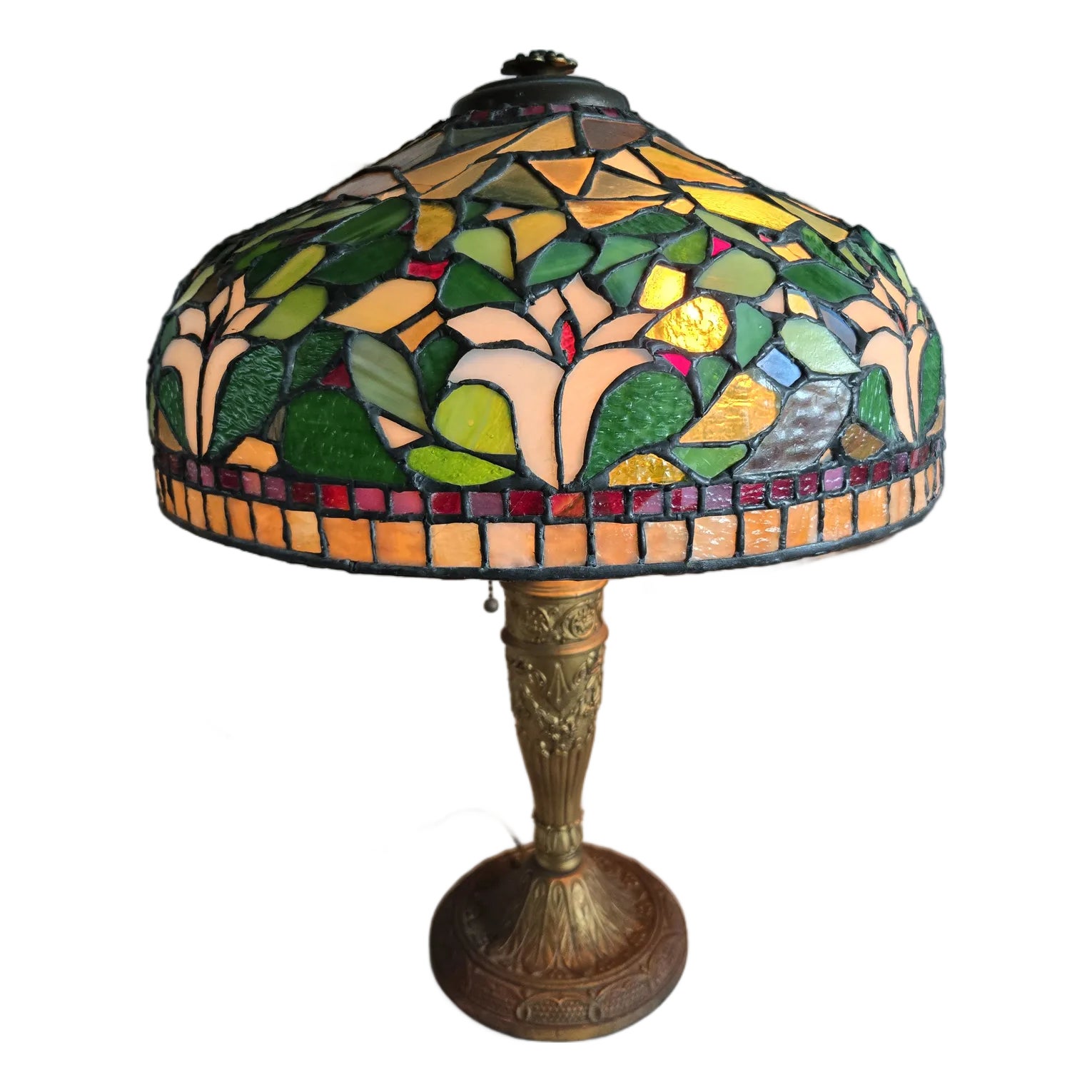
The New Salem Guideboard is undergoing an assessment to restore its original aesthetic including Dietz No. 3 Street Lamp.
The New Salem Guideboard, a fixture of local history since 1886, is undergoing a rigorous technical assessment aimed at restoring its original aesthetic and structural integrity.
Built by Porter Eaton and situated for decades at the town’s five-corner intersection, the guideboard currently resides at the Swift River Valley Historical Society (SRVHS). Recent inspections of the structure, specifically the lantern mounted at its peak, have revealed a stark disconnect between the object’s historical significance and its current state.
Last fall, an inspection of the lamp atop the guideboard found it in an advanced state of deterioration. Subsequent investigation by lantern collectors identified the current fixture as an import from India or China, likely dating to around 1970.
Unlike the original equipment, this modern replacement lacks a kerosene fount, utilizes a simple candle holder, and was affixed to the post using two screws through its base. Most telling is the complete absence of wax, indicating that the candle was never lit.
To understand what belonged on that post, researchers examined an old photograph of the guideboard and consulted with experts in the field. John Chittum of the Tubular Lantern Collectors Facebook Group reviewed the imagery and concluded that the original lantern was almost certainly a Dietz No. 3 Street Lamp.
According to the publication Lanterns That Lit Our World (Hobson, 2000), these lamps were produced between 1880 and 1944. The 1880-1887 model, characterized by specific baffles on the chimney, aligns perfectly with the guideboard’s 1886 construction.
“Just looking at the straight sides on the fount, the kinda coffin corners on the tubes and the extra baffles at the top, likely this is some version of the earlier Dietz No. 3 Globe Tubular Street Lamp, said John Chittum.”
The challenge for the historical society lies in the scarcity and cost of these original artifacts, which are prone to environmental decay if left unprotected.
One viable path for restoration involves the W. T. Kirkman No. 300 Frontier Lamp, a modern reproduction patterned after the Dietz and C. T. Ham street lamps of the late 19th century. This unit features a rust-proof cast aluminum base and crown, offering a durability profile far superior to the original tin and glass configurations.
The restoration effort also extends to the structural mounting of the lamp. A review of the wood post in 2025 confirmed that the current support is not original; the historical design featured a lathed top specifically shaped to accommodate a post lamp.
Evidence suggests that the original roof was made of tin, allowing brackets to be attached to the flat sections without compromising the weatherproofing of the structure. In contrast, recent attempts to attach brackets to replacement wooden shakes likely contributed to water leakage.
| Year | Activity |
|---|---|
| 1886 | Original construction by Porter Eaton. |
| 1906 | Renovation by George Fisher. |
| 1951 | Renovation by Herman A. Hanson. |
| 1981 | Renovation by William O’Brien. |
| 2025 | Inspection of lamp, post, and brackets. |
For those overseeing the project, the primary goal remains historical accuracy balanced with modern longevity. The potential use of an electric FauxFlame module—which utilizes a randomized algorithm to mimic the flickering of a real flame—offers a nod to the past while meeting contemporary safety and maintenance standards.
Keeping the original 1886 brackets, even as they are reconfigured to fit the current lathed post, serves as a vital link to the guideboard’s origins.
The current configuration of the post has been rotated 45 degrees, allowing the brackets to attach to the corners of the roof rather than the flat sections.
While this preserves the visual profile, the long-term preservation of the guideboard depends on reconciling these physical modifications with the original design specifications. The brackets found during the 2025 assessment are being retained, as they may be the originals and could prove essential for future, more authentic restoration efforts.
Related reading

Two Meteorological Stations Installed at Proposed Amagla Gold Mine, Says Company
Grande Portage Resources Ltd. finished installing two meteorological monitoring stations at its New Amalga Gold Project, the first...

North Carolina Sheriff Election Shows Local Cost of ICE Immigration Pacts
In North Carolina, the campaign van belonging to Shannon Long became an unexpected liability. As he campaigned for...

Onside Kick Sets Up Game-Winning Field Goal as Vikings Reclaim Dam Cup
Portland State reclaimed the Dam Cup on Saturday, defeating Eastern Washington 40-38 in a dramatic season finale that...

Yahoo Finance Data Shows Hartford Total Return Bond R4 at -1.30% YTD Return
The Hartford Total Return Bond R4 (ITBUX) fund, which has been active since its launch by Hartford Mutual...