
Retired West Cornwall dairy farmer John Roberts says selling development rights on his 410-acre farm in 1996 funded critical infrastructure upgrades and kept the land in agricultural production for future generations, according to a commentary published by the Brattleboro Reformer.
Roberts and his wife operated the farm for nearly 40 years, expanding from an initial 260 acres with 32 mixed cows to 410 acres milking 195 registered Brown Swiss. They conserved the property through the Vermont Land Trust, setting aside a 25-acre block for a potential retirement home, the 10-acre farmstead complex, and a 3-acre block for future agricultural buildings.
“We took the money we received by selling our development rights and invested it back in the farm with a barn expansion, a new milking parlor and a heifer raising facility,” Roberts wrote. “This investment enabled us to continue farming for another nineteen years.”
The couple sold the farm in 2016 to a young couple who converted the operation to beef cattle after their children pursued careers off the farm. Roberts said conservation has proven effective broadly, citing that over 99% of conserved farms in Vermont remain in operation today.
“Working land conservation means that the land asset is available to future generations of farmers at a more affordable price,” he wrote. “Income generated from working lands helps to sustain rural lifestyles and communities.”
Roberts noted Vermont’s distinct position in New England agriculture, stating the state’s farms produce more milk than all other New England states combined and that Vermont has more farmers per capita than its neighbors. He also pointed to state programs that help young farmers purchase first farms, access education and training, and obtain business services.
“Voluntary participation in keeping land open and working keeps farms viable and protects valuable assets for future generations,” he wrote. “So, later this month, as we gather around our own harvest tables, let us remember what conservation helps to make possible—for all Vermont families.”
Roberts’ 1996 transaction illustrates how the Vermont Land Trust structures conservation easements by purchasing development rights while allowing landowners to retain ownership and agricultural use, a model the organization has employed since its 1977 founding to protect rural character.
The Vermont Land Trust played a direct role in the Roberts farm transaction both as the easement holder and as a conduit for information, since Roberts first learned about selling development rights through the farm’s former DHIA tester, Al Karnatz, who later worked for the trust.

Roberts said he first learned about selling development rights through the farm’s former DHIA tester, Al Karnatz, who later worked for the Vermont Land Trust. He cited two main reasons for conserving the land: preserving a ridge line with views of the Adirondack high peaks and freeing up unused capital to reinvest in the operation.
Workday to Report Q3 Earnings Tuesday; StockStory Reports 10.7% Revenue Growth Expected
Workday will report fiscal third-quarter results after the market closes on Tuesday, Nov. 24, with a conference call...
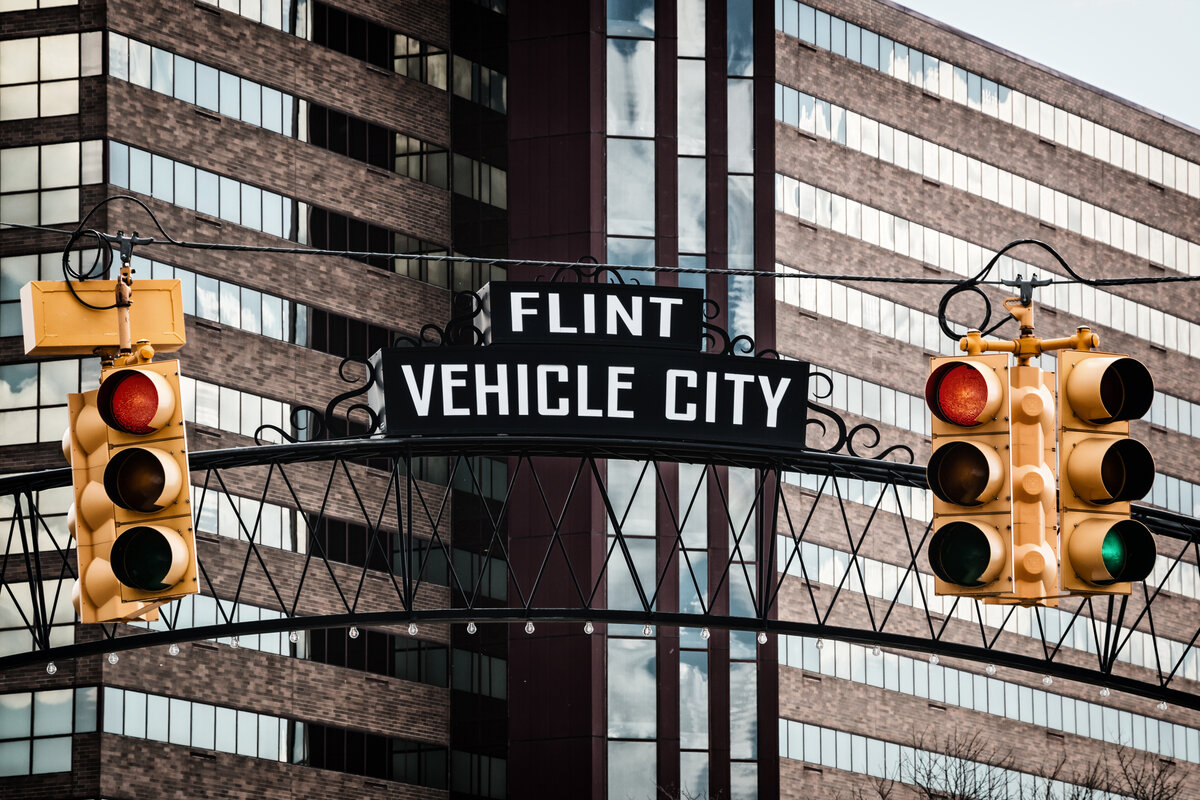
Genesee County Votes to Negotiate Nonprofit Entity for $175M-$200M Broadband Network
Genesee County officials voted in September to negotiate an agreement creating a nonprofit entity that would borrow $175...
Virginia Lost 6,700 Millionaires Since 2018; Locke Proposes 10% Tax for 2027
Virginia Sen. Mamie Locke has filed a bill for the 2027 General Assembly session that would raise the...
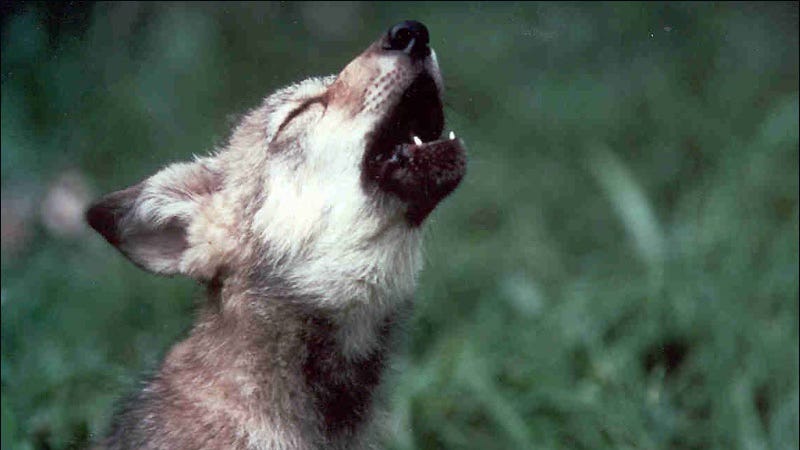
Idaho Considers Protecting Wolf Pups After State Paid Hunters $24,000 to Kill 12 at Dens
Idaho wildlife officials will consider new protections for wolf pups after hunters collected $24,000 in state-administered payments for...