Retiring in Pennsylvania often feels like a choice between high-cost amenities and rural isolation, but a closer look at the state’s housing market reveals a different reality.
Several small towns across the Commonwealth are bucking the trend of rising real estate prices, offering median home list prices that sit well below the statewide benchmark of $296,633.
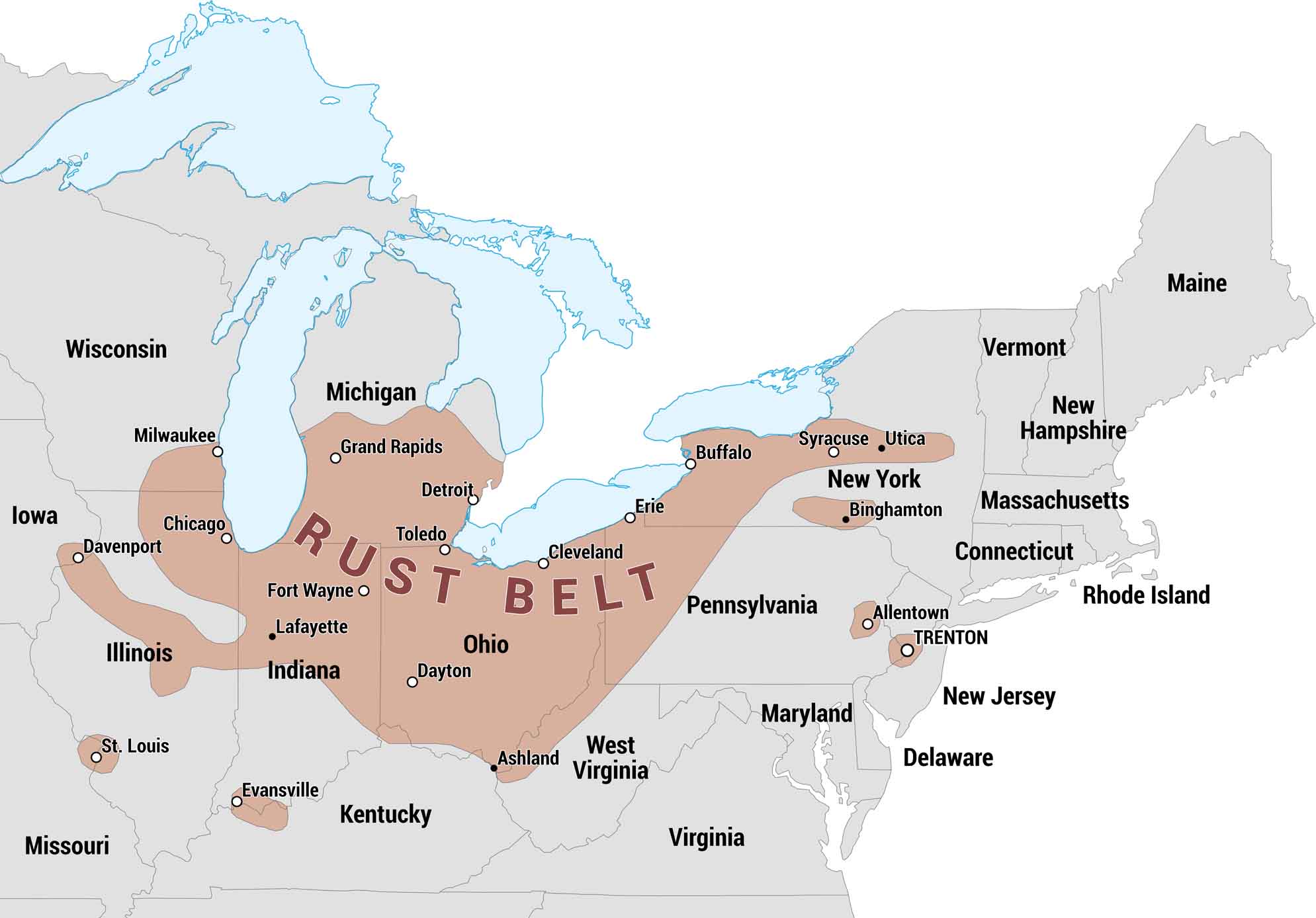
Johnstown stands out as the most prominent example of this affordability. With a median home list price hovering just under $110,000—roughly one-third of the state median—the city has pivoted from its Rust Belt industrial roots to position itself as a viable retirement hub.
Rather than trading quality of life for lower costs, residents have access to the 1st Summit Arena for ice sports and concerts, alongside the Bottle Works Ethnic Arts Center for creative programming. Outdoor enthusiasts also benefit from the seven miles of trails winding through Stackhouse Park, a forested escape located just west of the city center.
The economic stakes for retirees are clear: securing a home at a fraction of the typical state cost allows for greater financial flexibility during fixed-income years.
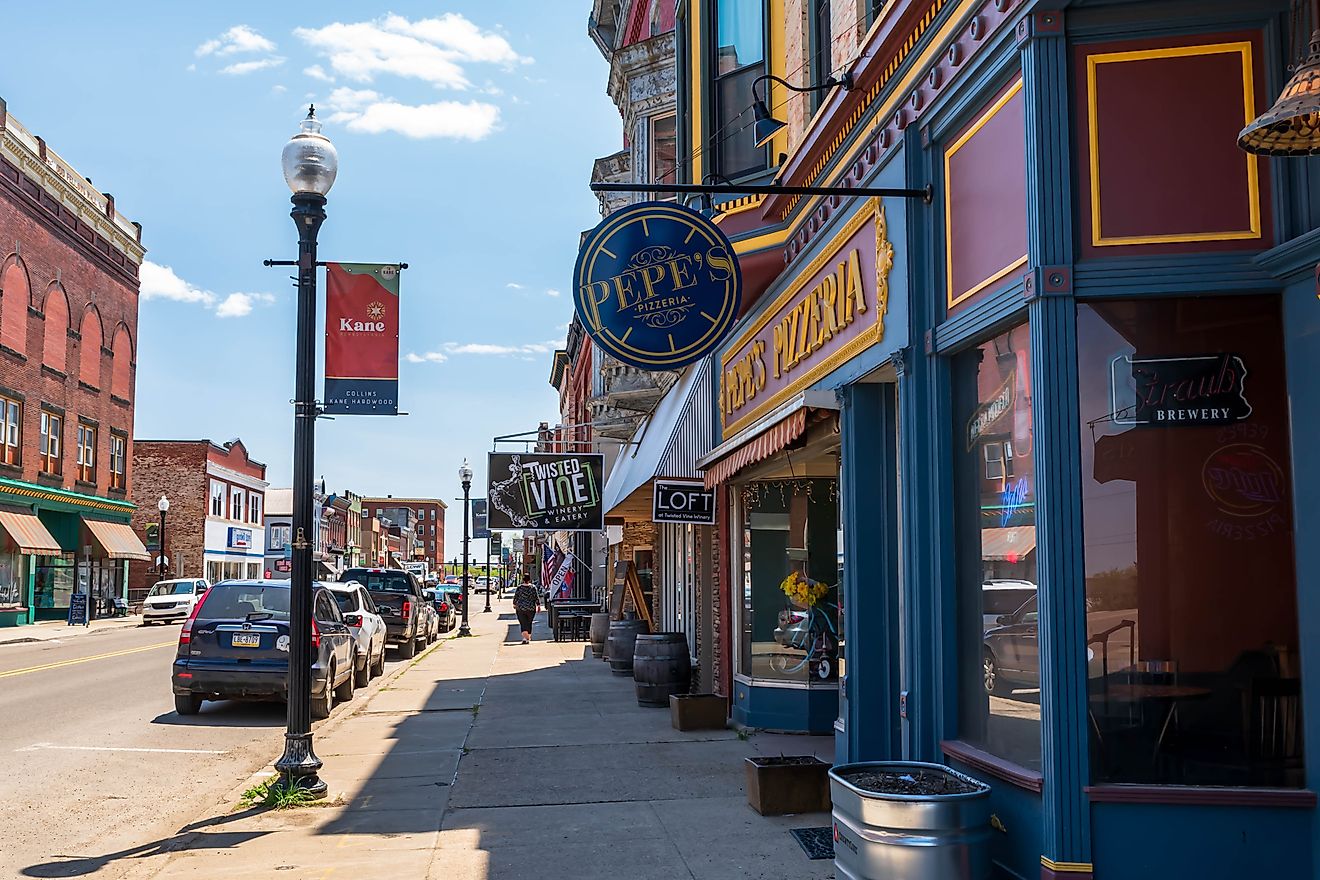
Kane, situated on the doorstep of the Allegheny National Forest, offers a low cost of living paired with year-round access to hunting and fishing grounds. The town also maintains a distinct culinary scene, featuring farm-to-table establishments like Table 105.
Similarly, Greenville, located near the Ohio border, caters to retirees seeking active lifestyles. The town provides access to the trout-stocked Little Shenango River and the Pine Hill Golf Course, which has been a fixture of the community since 1969.
The appeal of these towns often rests on the balance between quiet living and community engagement. In Franklin, the annual Applefest—which began as a modest pie contest in 1983—has grown into a major regional event. Meanwhile, New Castle uses its proximity to Pittsburgh to provide an arts-focused environment, centered around the Hoyt Arts Center and the annual music festival held at Cascade Park.
Proximity to transportation networks remains a critical factor for many retirees. Lewistown, for instance, sits directly on the Amtrak Pennsylvanian line, which connects the town to Pittsburgh and Philadelphia. This accessibility offers a practical solution for those who want a small-town atmosphere but require occasional travel to major urban centers for specialized medical appointments or city-based amenities.
Not every town relies on traditional recreation to draw in new residents. Punxsutawney, globally recognized for its annual February 2nd Groundhog Day festivities, uses its unique cultural identity to support a local economy that includes antique shops and diverse dining options. The town’s library acts as a community anchor, hosting regular events that extend far beyond the mid-winter holiday.
Relying on a low cost of living requires a careful assessment of local infrastructure, particularly regarding proximity to high-level healthcare facilities. Yet, for those who find the state’s larger markets prohibitive, these towns offer a pragmatic alternative that prioritizes housing security over proximity to major metropolitan sprawl.
As the state’s demographic profile continues to shift, these communities are finding that their greatest asset is the ability to offer a stable environment at a price point that remains increasingly rare. The decision to relocate rests on a trade-off between the convenience of the city and the long-term sustainability of a smaller, more affordable footprint.
Worth a look
No. 9 Wisconsin Sweeps Northwestern to Close Regular Season, Wildcats Finish 8-20
Northwestern's season ended with a 3-0 loss to No. 9 Wisconsin on Tuesday night, a 25-9, 25-20, 25-16...

Tavari Johnson Leads Charleston to 4-0 Start After Court Restores Fifth Year
Tavari Johnson missed five shots in his last two games combined. The Cougars are 4-0 for the first...

Seattle Schools Weigh Licton Springs Merger After 49 Students Enroll, Superintendent Says He Was Stunned
Seattle Public Schools is weighing a merger of Licton Springs K-8 with nearby Salmon Bay after district data...

Journey Museum Opens Dream Catchers Artists Guild Retrospective Oct. 10 with Living Members
Curator Keith BraveHeart will welcome three living members of the Dream Catchers Artists Guild to the opening reception...