The Rising Cost of Coastal Retirement in Wilmington
Retiring in Wilmington, North Carolina, offers a familiar allure: a walkable historic downtown, a vibrant university atmosphere, and the mild winters that draw thousands to the coast each year. Yet, for those calculating the feasibility of a permanent move, the math is shifting. While the city remains a popular destination, the financial barrier to entry is no longer just the price of a home; it is the volatile, compounding cost of storm insurance. As of November 2026, prospective retirees must reconcile the lifestyle benefits of the Cape Fear region with an insurance landscape that is rapidly outpacing the annual Social Security cost-of-living adjustment.
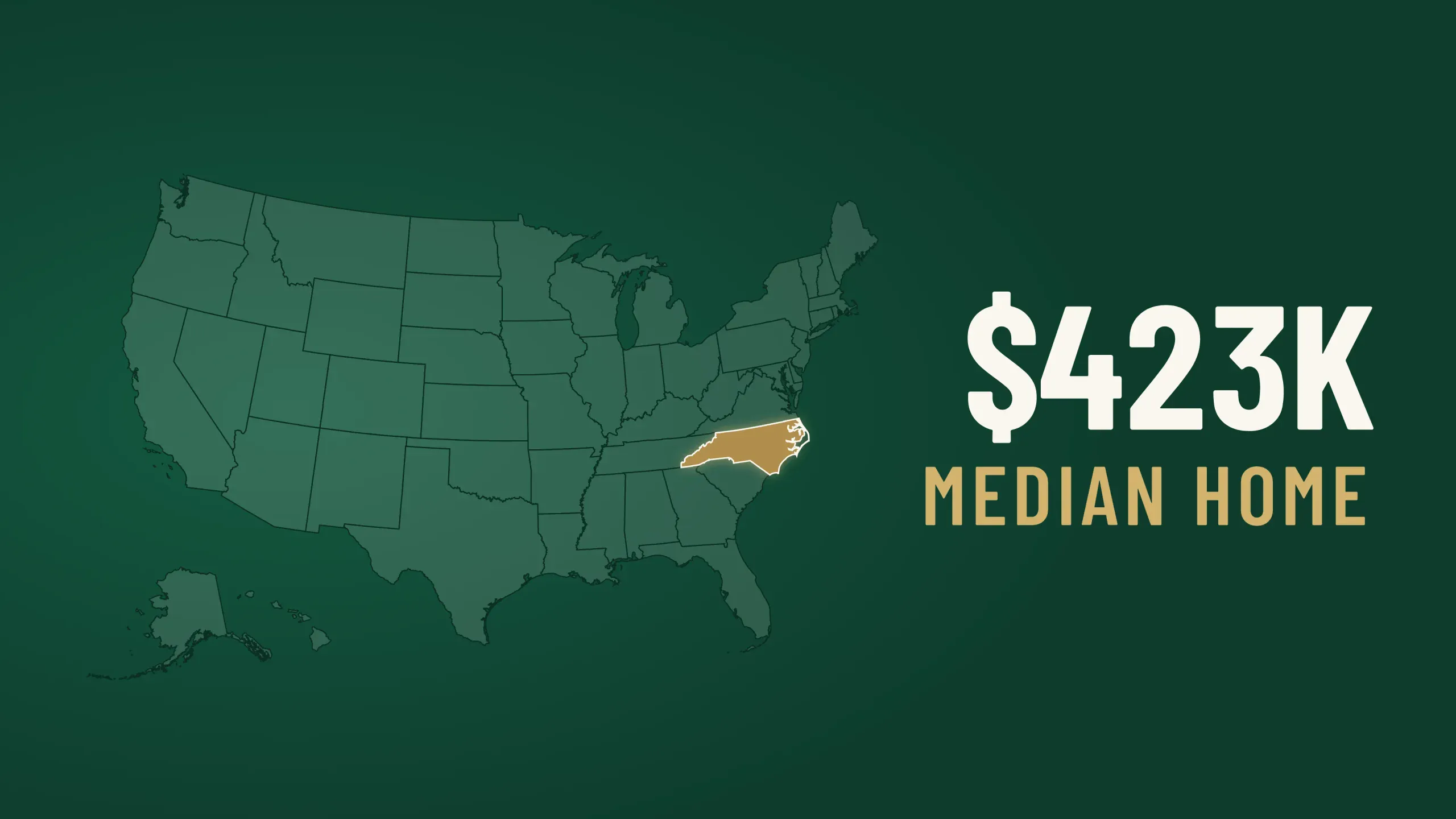
According to data reported by 247wallst.com, the median sales price for a home in the Wilmington metro reached $423,000 in September 2026, marking a 4.6% increase over the previous year. While property taxes in New Hanover County remain relatively manageable—with a combined city and county rate of 0.6375%—the true weight of the housing budget lies in the premiums for wind, flood, and homeowners coverage. For a home at this price point, combined annual insurance premiums now hover around $9,800. This figure is not static; it reflects a cumulative impact from state-approved rate hikes that saw premiums in New Hanover beach areas climb by 16% in 2025 and an additional 15.9% in 2026.
The Mechanics of a Coastal Budget
For a couple retiring in the area, the financial picture requires careful calibration. Beyond the $9,800 insurance baseline, retirees must account for the reality of hurricane deductibles. These are not flat fees but percentages of the home’s insured value, ranging from 2% to 5%. On a $423,000 property, a 2% deductible requires a $8,460 cash reserve, while a 5% deductible demands $21,150—liquid capital that must be set aside specifically for storm recovery.
Retirementlists.com notes that while Wilmington offers a robust infrastructure of over 40 parks, 32 miles of trails, and extensive healthcare access, the cost of living remains a point of necessary scrutiny. A typical couple’s monthly expenses—covering food, transportation, and utilities—often sit alongside significant healthcare outlays. Medicare Part B premiums alone amount to $4,870 annually for a couple, leaving a shrinking portion of their income to cover the rising costs of property maintenance and potential tax liabilities.
Tax Policy and the Income Gap
North Carolina’s tax structure generally favors retirees, as the state does not tax Social Security benefits. The flat income tax rate of 3.99% applies to pension income and IRA distributions, with potential for further reductions in 2027 should state revenue targets be achieved. However, the state’s homestead exclusion programs, which offer relief to some property owners, are income-restricted. A couple living on a standard retirement budget often exceeds the $36,700 threshold for the base exclusion, meaning they bear the full brunt of local property tax levies.
The gap between the Social Security Administration’s estimated 2027 benefit of $40,428 for a retired couple and the actual cost of living creates a significant reliance on private savings. With insurance premiums rising at a rate that frequently exceeds the annual Social Security COLA, the safety margin of the traditional 4% withdrawal rule is under pressure. For a single retiree, the situation is even more acute, as property taxes and insurance can consume roughly half of the average Social Security benefit.

The Necessity of Due Diligence
Before finalizing an offer on a home in Wilmington, the most critical step is securing an accurate flood insurance quote. Because the National Flood Insurance Program (NFIP) prices policies based on the specific elevation and flood zone of an individual property, these costs can vary wildly from one street to the next. Relying on average cost estimates can lead to a fundamental miscalculation of the long-term carrying costs.
The decision to retire on the coast involves an inherent trade-off between the quality of life provided by the riverfront and the financial exposure to coastal weather events. While the regional economy continues to grow, the sustainability of a retirement budget in Wilmington increasingly depends on the ability to absorb these rising premiums without compromising the liquidity of emergency reserves. For those planning their next chapter, the price of the home is only the starting point; the real cost is the insurance policy that protects it.

Jonathan Taylor Likely to Stay With Colts Amid Bengals Trade Rumors
The most likely outcome for Indianapolis Colts running back Jonathan Taylor is that he stays in Indianapolis, according...

Boston Bruins Place James Hagens on Injured Reserve, Recall Mikey Eyssimont
The Boston Bruins move James Hagens to injured reserve The Boston Bruins have placed forward James Hagens on...

Eastport and Annapolis Face Off in 28th Annual Tug of War
The 28th Annual Tug of War Begins in Eastport Teams from the Maritime Republic of Eastport and the...

Regis College Defeats Saint Joseph’s College in Swimming Meet
Madeline Barron Leads Seven Individual Wins for Saint Joseph's College in Regis Meet Freshman Madeline Barron secured three...