
A multi-year transparency campaign aimed at exposing a 2004 top-secret Australian spy mission in Timor-Leste secured a critical victory on Friday, when an administrative tribunal ruled that portions of an upcoming hearing must be held in public.
The decision marks the latest development in an espionage scandal involving sensitive oil and gas negotiations, leaked intelligence, and international arbitration. Former senator Rex Patrick has spent years trying to lift the lid on the mission, which saw Australian Secret Intelligence Service operatives plant listening devices in key government offices in Timor-Leste to gain the upper hand in lucrative maritime boundary talks.
The Australian government has consistently maintained a Glomar response, refusing to officially confirm or deny that the bugging took place or that relevant documents exist. Government lawyers argued during a preliminary administrative review tribunal (ART) hearing that the matter is so sensitive that even the sections of the hearing open to the public should remain behind closed doors to prevent anyone from accidentally revealing classified information.
ART deputy president Peter Britten-Jones rejected the commonwealth’s arguments on Friday, ruling that the officials slated to testify are highly qualified and experienced enough to avoid letting national secrets slip in an open forum. The three-day hearing is scheduled for late November, where unclassified parts of the proceedings will finally be open to the media and the public.
The Battle Over the Greater Sunrise Gasfields
The disputed intelligence operation dates back to 2004, shortly after Timor-Leste officially gained independence from Indonesia in 2002. At the time, Canberra and Dili were negotiating control over the Timor Sea and access to the Greater Sunrise gasfields, resources estimated to be worth more than $50bn.
Asis contended that acknowledging the existence of records regarding the strategy could undermine national security and Australia’s standing with other nations. Government lawyers proposed that the media and public should be barred entirely from the open hearings, receiving only a transcript after careful review by the nation’s foreign intelligence agency.
Deputy chief solicitor Justin Davidson argued at a preliminary hearing that the stakes are “very high” and it would be nearly impossible to mitigate the risk of an official misspeaking. Ewan McMillan, an Asis deputy director general, and Michelle Chan, a deputy secretary at the Department of Foreign Affairs and Trade, are scheduled to offer their testimonies in late November.
Patrick told Guardian Australia that the ongoing government defense feels like a replay of an Austin Powers movie. He noted that the bugging scandal is the “most open secret in the history of Australian spying”.
From The Hague to Modern Tribunal Fights
The fallout from the 2004 operation first erupted into a public scandal years later when a former spy, known as Witness K, and the lawyer and former ACT attorney general Bernard Collaery attempted to mount a case in the international permanent court of arbitration in The Hague on behalf of Timor-Leste.
In 2013, following those disclosures, Collaery’s office was raided and Witness K’s passport was seized. Timor-Leste eventually withdrew its Australian espionage claims in 2017 as a “confidence-building measure”, and a new maritime border was signed in 2018. Criminal prosecutions against Collaery were ultimately dropped in 2022.
In a 2019 affidavit filed during the legal proceedings against Collaery, the Timor-Leste president, Jose Ramos-Horta, stated his belief that disclosing further details of the operation would not create any new or additional problems for Australia.
Despite the government’s continued resistance, Friday’s tribunal ruling ensures that the arguments defending the intelligence blackout will face public scrutiny when the full hearings commence.

Stars Coach and Teammates Praise Jamie Benn for Resurgent Play
Jamie Benn is adding to his franchise record for games played at 1,265 while closing in on the...

UTEP Faces North Dakota State in Fargo Following Bye Week
UTEP is coming off its bye week sitting at 1-6 overall and winless in Mountain West play, staring...
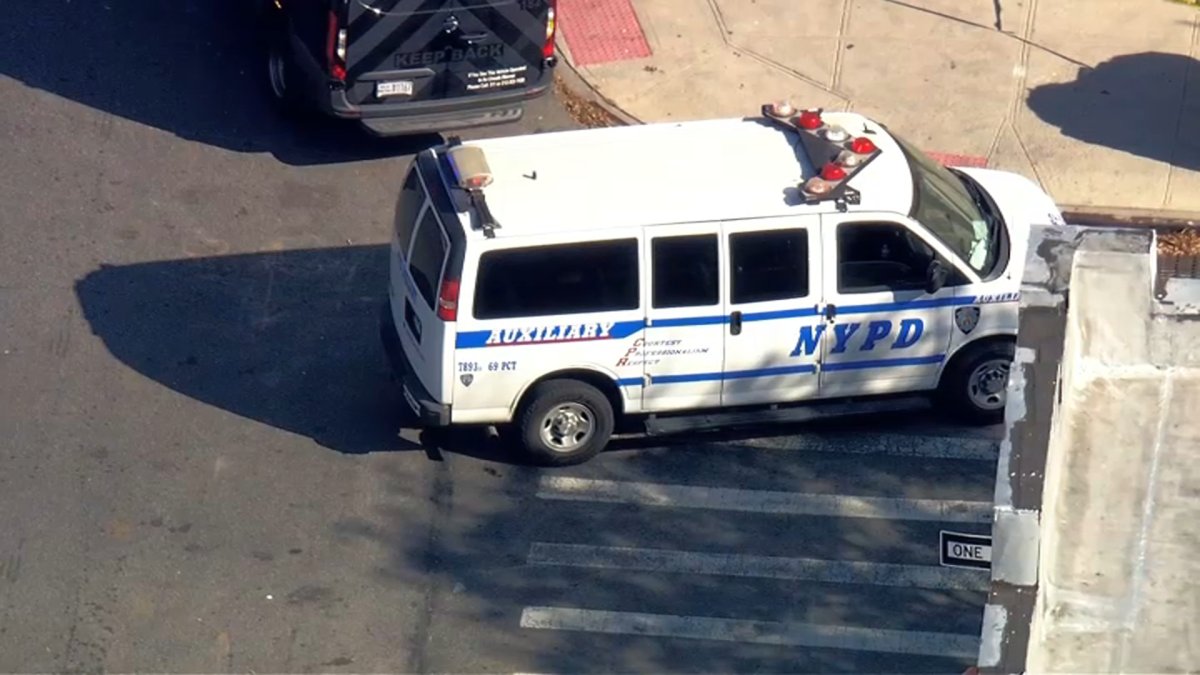
Body Found in Bag on Brooklyn Street After Surveillance Captures Dump
A routine morning in the Canarsie neighborhood of Brooklyn transformed into a homicide investigation on Friday, October 30,...
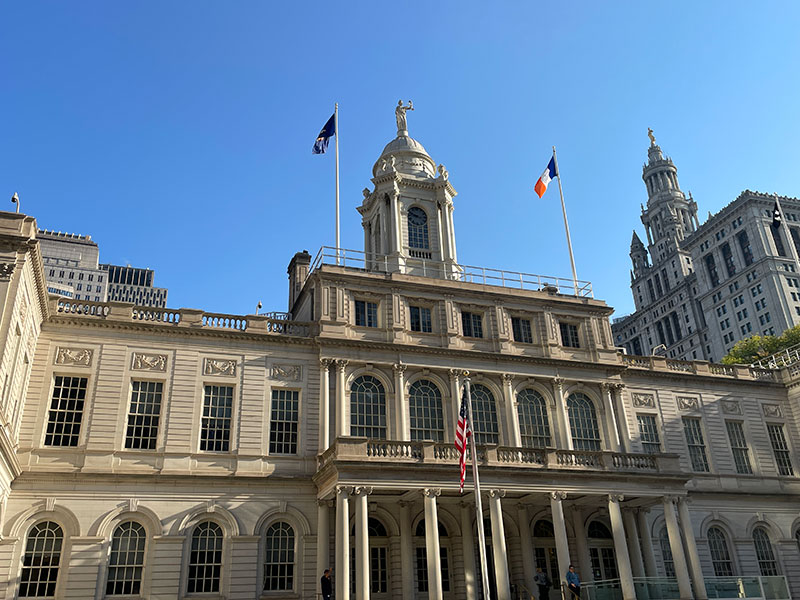
Mayor Mamdani Announces 33 Appointments to New York City Nonprofit Advisory Council
“Our nonprofit organizations work tirelessly for us — they educate our children, protect our older adults and bring...