
“Wompiscannémeneash (white seed corn), also known as Narragansett flint corn, holds immeasurable cultural, spiritual and familial significance to us,” Dawn Spears told Edible Rhody. Rhode Island growers are reviving native flint corn varieties protected by state statutes 21-25-1 through 21-25-5, which define native corn and penalize mislabeling.
Most U.S. corn is industrial field corn — over 90% of acreage — genetically modified for herbicide tolerance and used for feed, ethanol and sweeteners, Edible Rhody reported. Rhode Island’s flint corn endures through generations of seed saving that preserves a connection to local soil. Kenyon’s Grist Mill in West Kingston has ground grains on granite millstones since 1696.
Third-generation operator Ben Drumm, 36, said the mill is installing a new HVAC system to store ten times more grain than before. “I wish we could get more local flint corn,” Drumm told Edible Rhody, “especially now.”
Indigenous farmers Dawn and Cassius Spears grow Narragansett flint corn on six acres at Ashawaug Farm in Ashaway. “We do not view this corn simply as an agricultural crop or food source; we consider the corn family,” Dawn Spears said. She described a relationship of “reciprocity, respect and mutual care” that extends to ceremonies, medicine and ancestral responsibility.

In Exeter, Phil and Karla Curry of Solid Rock Homestead grow White Cap, Longfellow Yellow and Hopi Blue varieties, grinding and selling small batches of White Cap cornmeal. “My Great-Uncle Harry Record told me that if I blink, I’ll be the last one growing [the corn],” Phil Curry told Edible Rhody.
Bob Payne of Little River Farm shared seed with the Currys after saying he did not want to be the youngest grower. Payne has been experimenting with the “Three Sisters” planting method — corn, climbing beans and squash — though he is still seeking a bean suited to his soil.
Horus Kelley and Kidder Gowen of Hawk & Handsaw Farm in Portsmouth now grow, harvest, dry and grind White Cap flint corn for cornmeal. The farm donates a portion of proceeds to the Pocasset Pokanoket Land Trust.
“There’s a true sense of wealth when you run your hands through a fresh bin of kernels which you know will not only give your community sustenance for the coming seasons but also has the potential for feeding many generations to come,” Kelley told Edible Rhody. Gowen added, “We are excited about this and look forward to growing more in future years.”
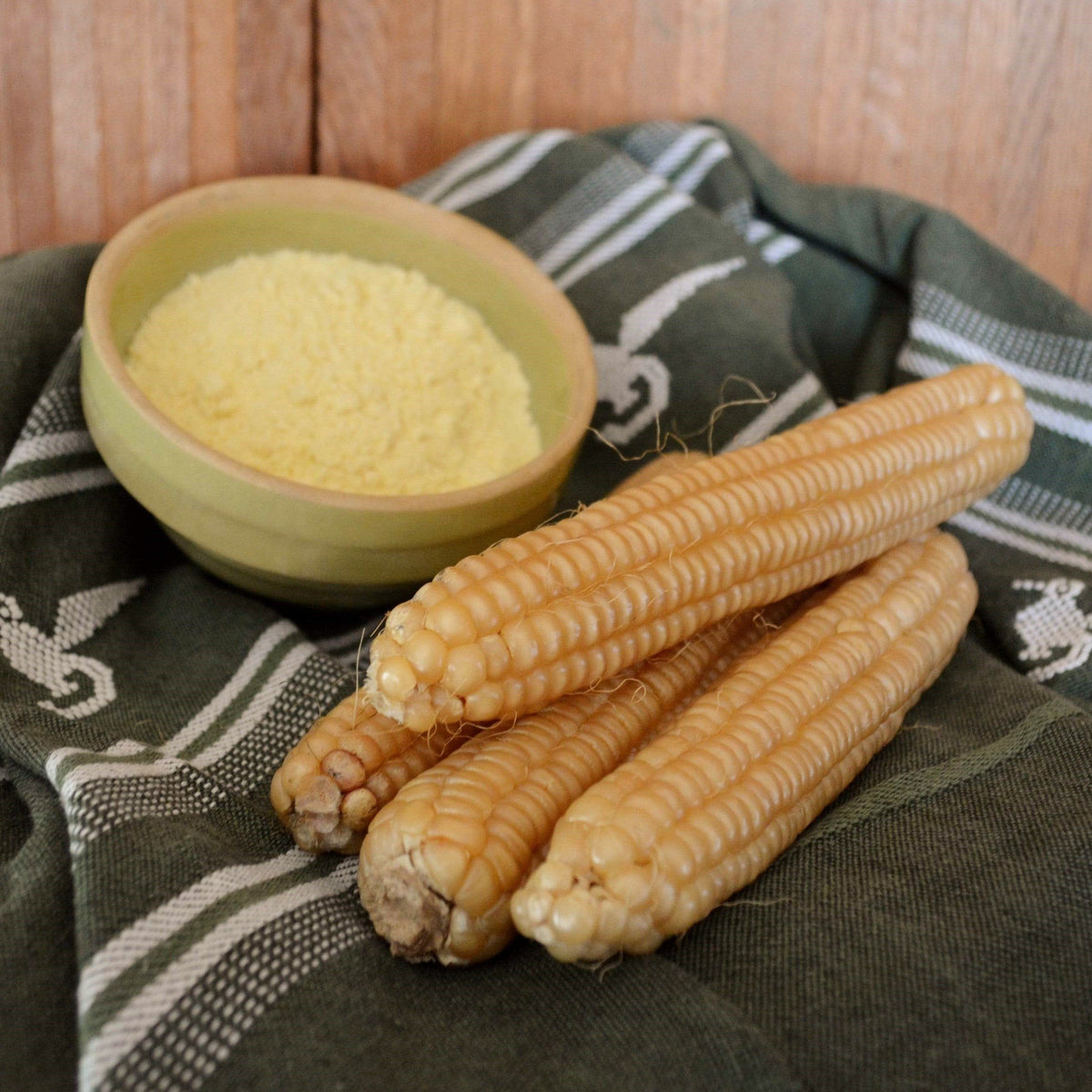
Flint corn fell out of conventional favor because it requires a long season, is disease-prone and yields only one small ear per stalk — White Cap ears often under eight inches — pushing per-acre yields far below industrial corn. Stone grinding at Kenyon’s preserves nutrients lost in steel-milled flour. The jonnycake tradition, spelled distinctively in Rhode Island and derived from “journey cake,” predates European settlement.

Byron Wayne Woolum, 81, Walker Resident and World-Ranked Checkers Player, Dies
Byron Wayne Woolum, an 81-year-old Walker resident who earned a world ranking of 123rd in checkers, died Friday,...

Rebecca Shi: Immigrants Fill 30% of Construction, Care Jobs
“It’s not easy waking up at 3 a.m. every day and milking a 1,500-pound animal,” said Rebecca Shi,...
Nevada County Quorum Court Examines Jail Finances, Approves Ordinances
Nevada County is owed $203,366 for housing inmates, money Judge Mike Otwell said would otherwise leave the county...

Sheriff Details Four Arrests From Previous Week
Sheriff Brian Williams detailed four additional cases from the previous week. Jordan Edward Crook, 29, of Dearman Street,...