
Rhode Island is once again wrestling with the stubborn logistics of its waste stream, as state officials reopen a long-standing debate over whether to finally implement a bottle bill. The Rhode Island Department of Environmental Management (DEM) is currently soliciting public feedback on a newly released analysis that outlines five potential scenarios for managing the state’s growing volume of plastic beverage containers and packaging. For a state that has kicked this policy can down the road for years, the current administrative review marks a critical, if contentious, attempt to modernize how Rhode Island handles the thousands of tons of material currently destined for the landfill.
The stakes are as much about fiscal reality as they are about environmental stewardship. According to data from the Rhode Island Resource Recovery Corporation, the Materials Recycling Facility (MRF) at the Central Landfill in Johnston rejected 25,335 tons of recyclable material in 2025 alone. These items were turned away because they failed to meet the facility’s minimum quality standards, resulting in their disposal as trash rather than their recovery as resources. This inefficiency sits at the heart of the ongoing push for a redemption system, which would shift the burden of recycling costs from municipalities to the producers of the goods themselves.
The Legislative Divide
State Representative Carol McEntee, D-North Kingstown, has spent years championing this transition. During a public hearing held on November 4, she argued that the state’s hesitation is increasingly out of step with its neighbors. For McEntee, the transition to a redemption program is a matter of practical necessity rather than political preference.
“We’re surrounded by states that do this, and they’re not suffering,” McEntee said. “Their businesses are doing fine. Their liquor stores are still selling liquor. Their Coca-Cola companies are still selling Coke. Nobody is really suffering.”
McEntee’s perspective is rooted in her tenure chairing a two-year study commission that scrutinized the mechanics of recycling systems. She maintains that the current decentralized approach—where Rhode Island’s 39 cities and towns manage their own collection methods, ranging from municipal-owned fleets to outsourced private haulers—is failing to capture a significant portion of the state’s recyclable waste. By moving to a model where producers bear the cost, proponents argue the state could finally achieve the economies of scale needed to divert pollutants like glass, aluminum, and plastic away from the landfill.
Industry Resistance and the Question of Transparency
Despite the push for reform, the business lobby remains firmly opposed to the implementation of a redemption system. Companies like North Kingstown-based Toray Plastics have publicly challenged the plan, citing the significant financial burden it would place on manufacturers. Joshua Cloutier, the company’s director of new product development, noted that such costs would inevitably be passed along to the consumer, a sentiment that resonates with industry groups concerned about the viability of the state’s proposed scenarios.
Bill Fischer, a lobbyist for the Consumer Brands Association, argued that the DEM’s current proposal relies on assumptions that lack a foundation in verified U.S. performance data. Specifically, he pointed to the report’s goals of reaching a 65 percent recycling rate and slashing contamination levels from 21 percent to 11 percent. Fischer contends that these figures, while useful for hypothetical modeling, do not reflect the reality of mature packaging programs currently in operation.

Even some environmental advocates are urging caution. John Berard, policy director at the think tank Beyond Plastics, expressed support for the concept of a bottle bill but warned against the broader inclusion of extended producer responsibility (EPR) legislation. Berard cautioned that such programs often rely on chemical recycling—a process the state has consistently rejected—which he characterized as greenwashing. For Berard, the state needs to be clear-eyed about the limitations of current technology before committing to a new administrative framework.
The DEM is accepting public comment on the study through November 16. As the window for input narrows, the state faces a narrow path forward: balancing the urgent need to reduce landfill reliance against the economic concerns of the businesses that drive the state’s economy.

Marysville family searches for horse Cheyenne missing in Mount Adams Wilderness
For the Hoemann family in Marysville, Washington, the barn has felt significantly quieter since early October. A trail...

Virginia Morales Cedeño Obituary: A Legacy of Family and Passion
Virginia Morales Cedeño: A Life Defined by Family and Community Virginia Morales Cedeño, whose life spanned nearly a...

Phil Scott Victory Highlights Why Pre-Election Polls Failed
The 14-Point Discrepancy in Vermont’s Gubernatorial Race When the final ballots were tallied on Tuesday, the results in...
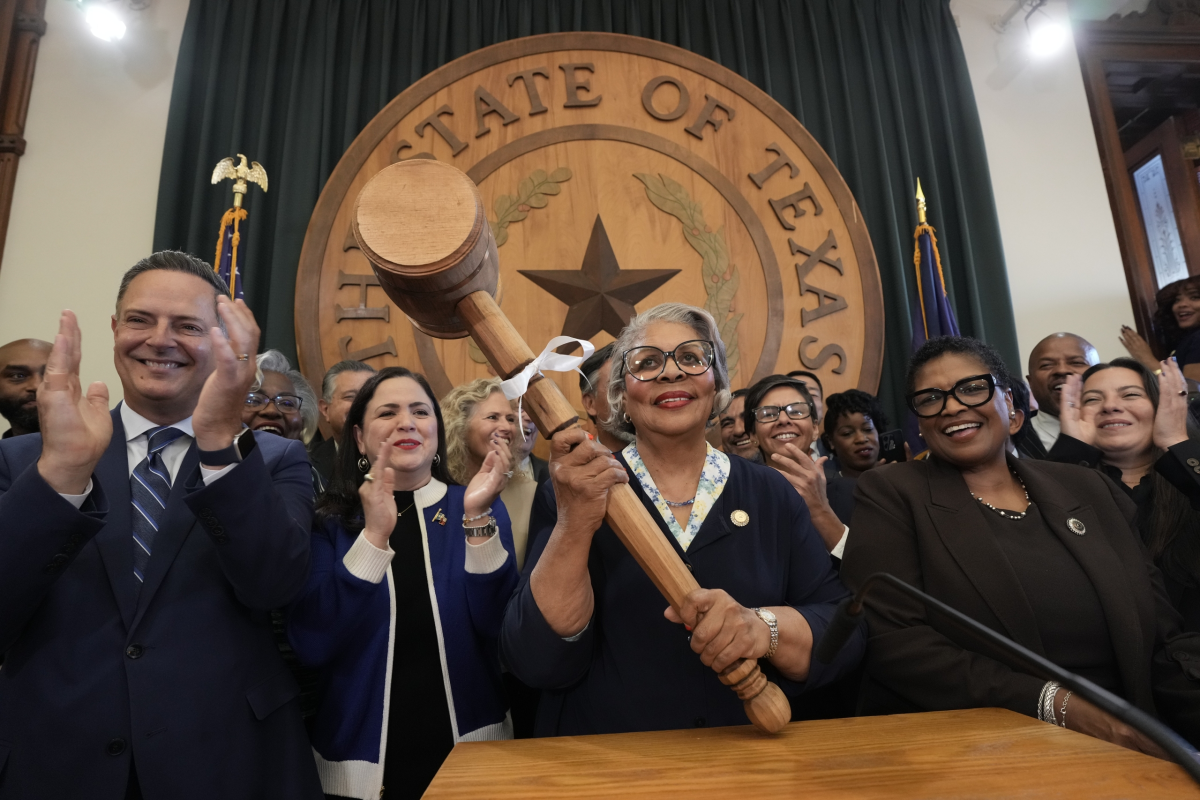
Senfronia Thompson Claims Enough Votes to Become Texas House Speaker
A Historic Shift in the Texas House State Rep. Senfronia Thompson, a fixture of the Texas Legislature since...