
Starting in early 2027, residents calling 911 in Richmond Heights will encounter a shift in how their emergencies are triaged.
The city is preparing to integrate a nurse-led hotline into its emergency dispatch workflow, a move designed to divert non-critical requests away from ambulance crews and toward registered nurses who can provide immediate, tailored care plans.
The program, developed through a partnership between Crosswalk Health and University Hospitals, aims to preserve the city’s emergency resources for genuine life-or-death situations. As reported by the News-Herald, the initiative is not intended to delay care for those in critical condition, as dispatchers will continue to follow established protocols to identify high-priority emergencies immediately.
Managing the Strain on Emergency Services
The operational reality behind this decision stems from the increasing frequency of non-emergency calls burdening the Richmond Heights Fire Department. According to reporting from Hoodline, the department has faced significant strain, including a recent day where crews were forced to manage four simultaneous 911 calls. One of those requests involved a resident needing help navigating stairs—a task that, while important, does not require an emergency medical team.
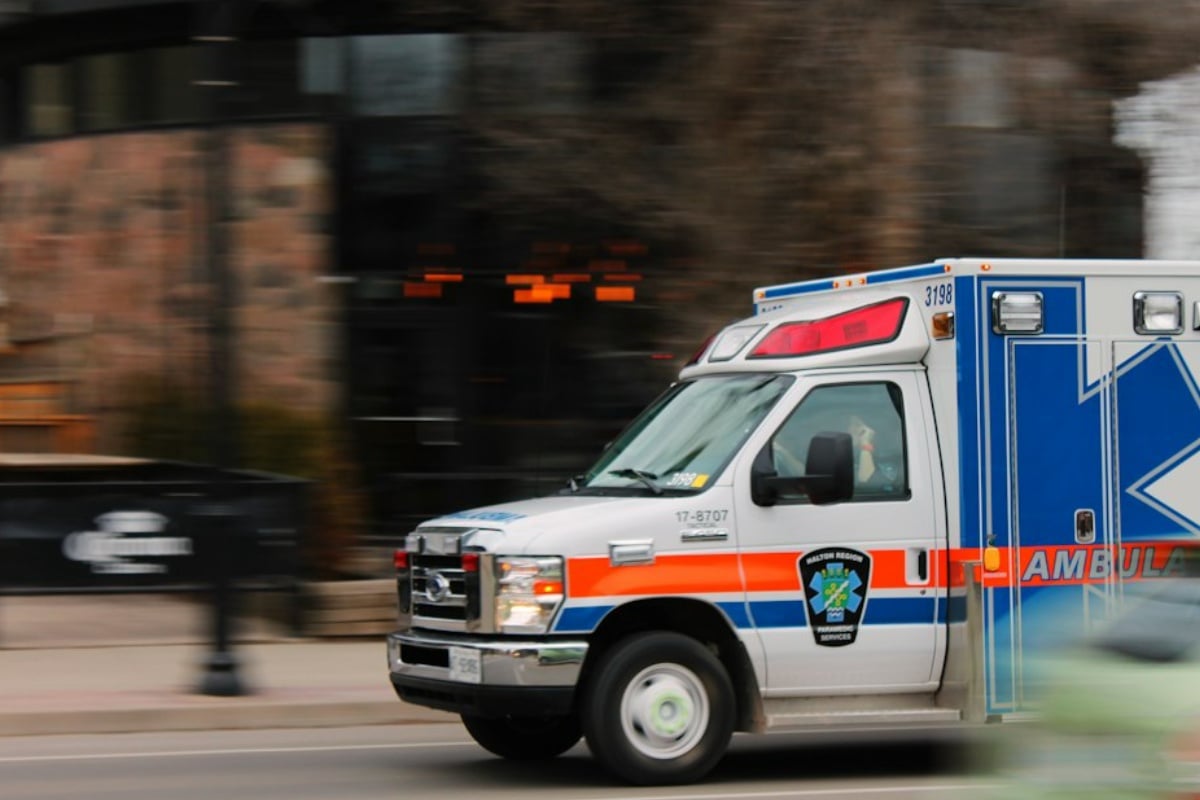
Fire Chief Marc Neumann emphasized that these types of calls often pull ambulances out of service, leaving the city vulnerable if a major emergency occurs elsewhere. By routing low-acuity cases to a nurse line, the city hopes to alleviate this pressure.
“In short this is a way to improve patient care, reduce unnecessary emergency (costs), keep our ambulances available for true emergencies, and strengthen the long-term future of our community paramedic program, all at no cost to the city,” Neumann told the City Council.
The Human Element in Triage
During an October 27 meeting, some Richmond Heights City Council members expressed concerns regarding the potential for technology to interfere with patient care, specifically questioning whether artificial intelligence might be used in the dispatch process. Chief Neumann clarified that the service relies on human interaction, noting that a registered nurse will be on the other end of the line to evaluate the caller’s specific needs.
The protocol allows for an immediate escalation; if a nurse determines that a patient’s condition is deteriorating or more severe than initially reported, the call can be transferred back to the emergency dispatch side to initiate an ambulance response.
This program is intended to complement the work already being done by the city’s community paramedic, Nicole Sovizral. Richmond Heights is one of the few communities in northeast Ohio to employ a community paramedic, a role that provides proactive, non-emergency support to residents.
Under the new model, callers who are diverted to the nurse line may receive follow-up care from Sovizral, effectively bridging the gap between a 911 call and long-term health management.
Relocating the Dispatch Center Enables Crosswalk Health Rollout
The logistics of the rollout are currently tied to the relocation of the Chagrin Valley Dispatch center, which handles emergency calls for 41 area communities. As the center moves into a centralized facility, the necessary technology for the Crosswalk Health program will be installed. Mayor Kim Thomas noted that the program will be implemented by the city administration and does not require a formal council vote.
Financial sustainability remains an evolving piece of the puzzle. Chief Neumann indicated that the payment structure for the service will likely rely on multiple models, including billing under Medicare for community paramedic services and payments from Crosswalk Health.
He noted that these details would be more thoroughly defined by early 2027 as more municipalities, such as Euclid, integrate similar systems. While officials must manage regional dispatch technology and healthcare billing, city leaders remain focused on ensuring that sirens sound only for emergencies.
Worth a look
For Lauren Patton, the American Dream of Homeownership in 2022 Quickly Soured Into a Precarious
The Cost of the Tech Layoff Ripple Effect For Lauren Patton, the American dream of homeownership in 2022...
FASTSEWN Expands to Americas with New Milwaukee Subsidiary
Mikkelsen Innovation ApS has officially planted its flag in the United States, launching its new subsidiary, FASTSEWN, Inc.,...

Four US States Have Banned Off-Premises Billboards for Scenery
The visual cost of the American roadside For most drivers, the view from the highway is a blur...

Voters Gather at Elon Musk’s Austin Compound to Celebrate Historic Midterm Election Results
Dozens of voters gathered at the gates of Elon Musk’s Austin compound on November 8, 2026, to celebrate...