The Resource Gap in South Kansas City
For 42 years, Rick Chambers has lived in the same south Kansas City home. He has watched the neighborhood evolve, yet today, he finds himself echoing a sentiment shared by many of his neighbors: the area, stretching from Waldo to the regions south of I-435, is increasingly struggling to capture the city’s attention.

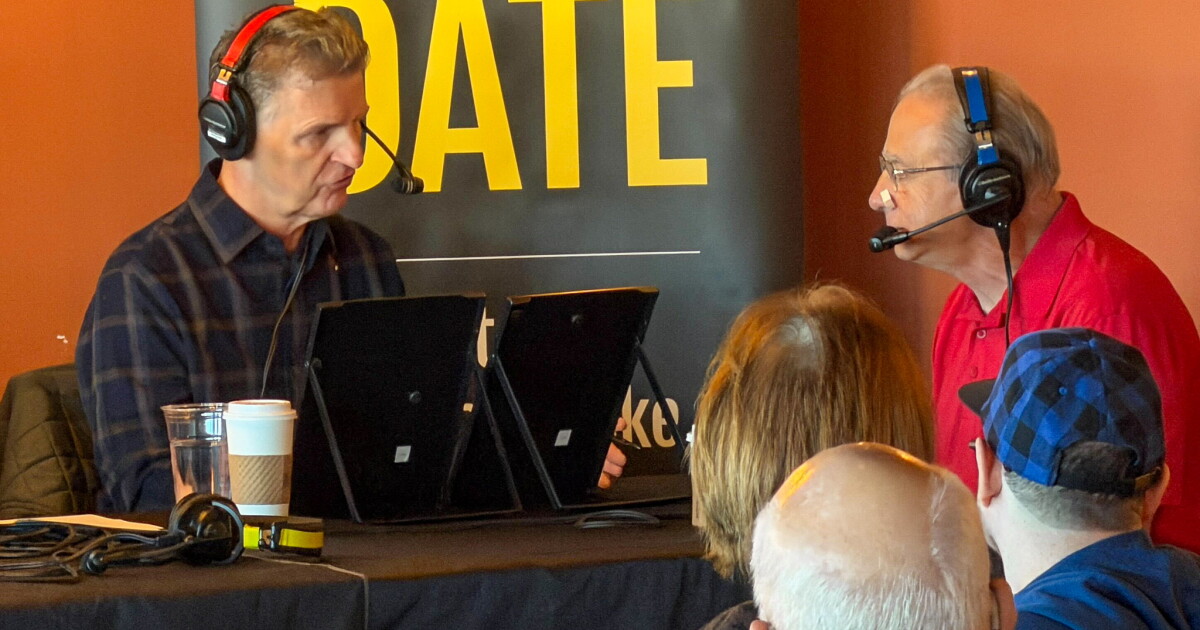
KCUR reported Thursday that Chambers, who serves as the president of the South Kansas City Chamber of Commerce, highlighted the growing disconnect between the needs of the community and the allocation of municipal support. During a live broadcast from Crow’s Coffee Red Bridge, Chambers argued that while the area is home to a robust network of local businesses and deeply engaged residents, it frequently falls to the bottom of the priority list for city resources.
The core of the issue is not a demand for massive, high-profile construction projects. Instead, residents are focused on the fundamentals of urban maintenance and public safety. Chambers noted that the request is for the consistent delivery of basic municipal services—specifically police presence, park maintenance, and social services—that are necessary to keep a neighborhood thriving.
There’s so many great things happening in this city that I think sometimes you know all of the outlying areas, the south Kansas City, the Northland, don’t get the attention they deserve.
The challenge, according to Chambers, lies in the city’s administrative structure. Kansas City is divided into six council districts, creating a competitive environment where every area must vie for a limited pool of funding and staffing. Chambers acknowledged that city officials are working under these constraints, yet the result remains a feeling of neglect among those living in the southern corridor.
The Structural Reality of Municipal Budgeting
When resources are spread thin across a large, geographically diverse city, the competition between districts often becomes a zero-sum game. For residents in south Kansas City, the “so what” is tangible: it manifests as delayed park repairs, slower response times for non-emergency services, and a sense that their local tax contributions are not being reinvested into their immediate surroundings.
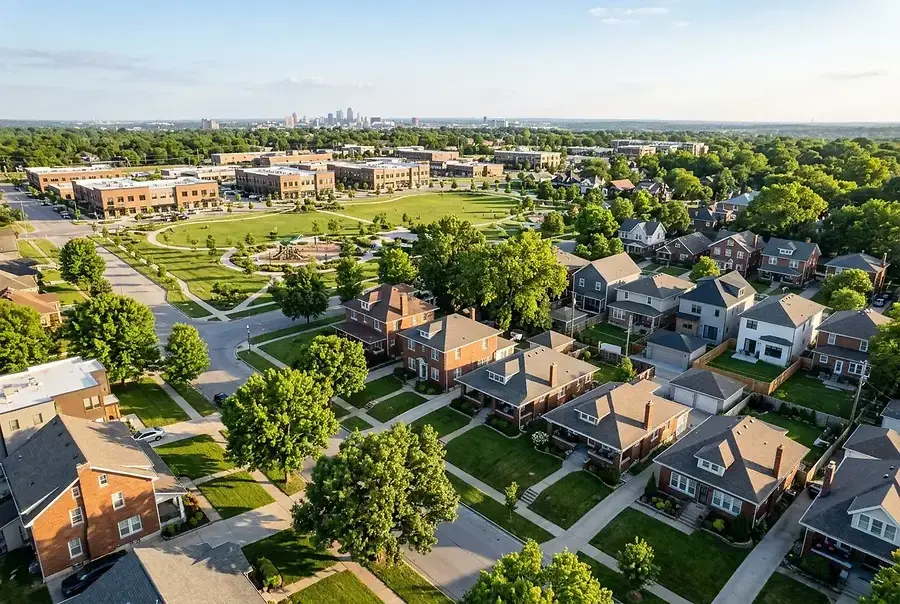
The tension between the city’s rapid growth in high-visibility areas and the maintenance of established neighborhoods is a common friction point in urban planning. While proponents of centralized development argue that focusing on high-density corridors drives the city’s overall economy, critics—and residents like Chambers—point out that this strategy risks hollowing out the suburban infrastructure that provides stability to the city’s tax base.
As the city continues to navigate its budget cycles, the pressure on the six districts to advocate for their fair share of services will likely remain a central theme of local governance. For now, the residents of south Kansas City are calling for a shift in focus, prioritizing the day-to-day quality of life over the allure of splashy, new-build projects.

North Charleston woman Nakyah Denae Odom charged after Dollar General incident
North Charleston Police Charge Woman Following Dollar General Armed Confrontation Nakyah Denae Odom, a 22-year-old resident of North...

Massillon Crushes Columbus DeSales 48-0 in Playoff Opener
Massillon Tigers Dominate Columbus DeSales in Playoff Opener The Massillon Tigers signaled their postseason intentions with a decisive...

Harwood, North Dakota voters reject data center restriction proposal
Harwood, North Dakota, has found itself in a position that is increasingly rare in the American landscape. While...

South Carolina Tourism Campaign Drives 84 Percent Website Traffic Increase
South Carolina’s $1.5 Million Bet on New York City When South Carolina officials decided to transform Grand Central...