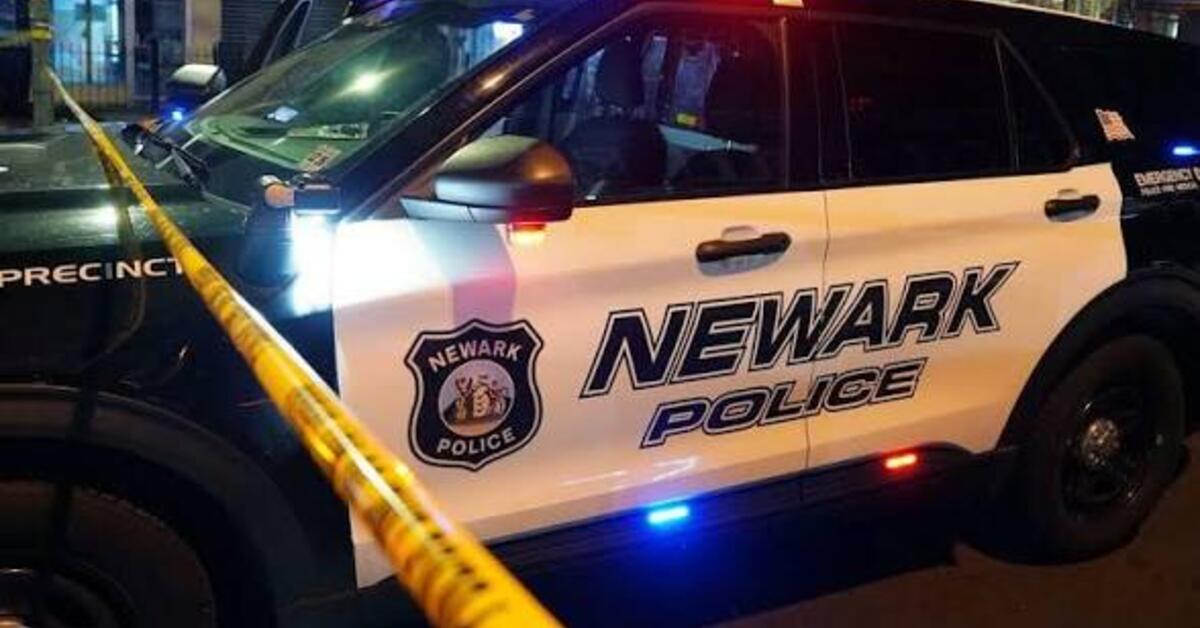
Fatal Pedestrian Collision on Lyons Avenue Marks Second Traffic Death in Newark Today
A somber atmosphere settled over Newark’s South Ward on Friday evening after a woman was struck and killed in a pedestrian accident on Lyons Avenue. The incident, which occurred shortly before 7:30 p.m., marks the second fatal pedestrian strike reported in the city within a single day. Emergency responders arrived at the scene to find the woman suffering from severe injuries, and she was pronounced dead shortly thereafter.
The Essex County Prosecutor’s Office has assumed control of the investigation into the circumstances surrounding the collision. As of Saturday morning, the identity of the victim has not been released, as authorities work to notify next of kin. According to RLS Media, the driver involved in the incident remained on-site following the collision and is currently cooperating with investigators.
Urban Infrastructure and the Risk to Pedestrians
The tragedy on Lyons Avenue brings renewed focus to the ongoing challenges of pedestrian safety in dense, high-traffic corridors. For residents in the South Ward, the roadway serves as a critical artery, but high vehicle volume often creates hazardous conditions for those on foot. Data from the National Highway Traffic Safety Administration (NHTSA) consistently highlights that pedestrian fatalities are disproportionately high in urban environments where arterial roads lack sufficient traffic-calming measures or protected crossings.
When two fatal strikes occur in one city within a 24-hour period, it forces a difficult conversation about municipal infrastructure. While individual accidents are often attributed to specific driver or pedestrian actions, planners frequently look at the “Three Es” of traffic safety: engineering, education, and enforcement. In Newark, the density of the South Ward means that any disruption to traffic flow or failure in street design carries a heightened risk of human catastrophe.
The Investigation Process and Legal Stakes
The involvement of the Essex County Prosecutor’s Office signals a standard but rigorous procedure for fatal traffic incidents. Investigators typically reconstruct the scene using surveillance footage from nearby businesses, witness statements, and vehicle telemetry data. Because the driver remained at the scene—a significant factor in potential criminal culpability—the investigation will likely center on environmental factors, visibility, and whether the pedestrian was within a marked crosswalk at the time of the impact.
For the families of victims, these investigations are often protracted. The legal distinction between a tragic accident and vehicular manslaughter often hinges on the minute details collected in these first 48 hours. As the New Jersey Office of the Attorney General notes in its guidelines for fatal crash investigations, the preservation of evidence is paramount to ensuring that the outcome serves both justice and public safety.
As the city awaits further updates from the Prosecutor’s Office, the community is left to grapple with the sudden loss of life on a Friday night that began like any other. The recurrence of these events—two in one day—serves as a stark reminder of the vulnerability inherent in urban transit, where the margin for error is often measured in inches and seconds.
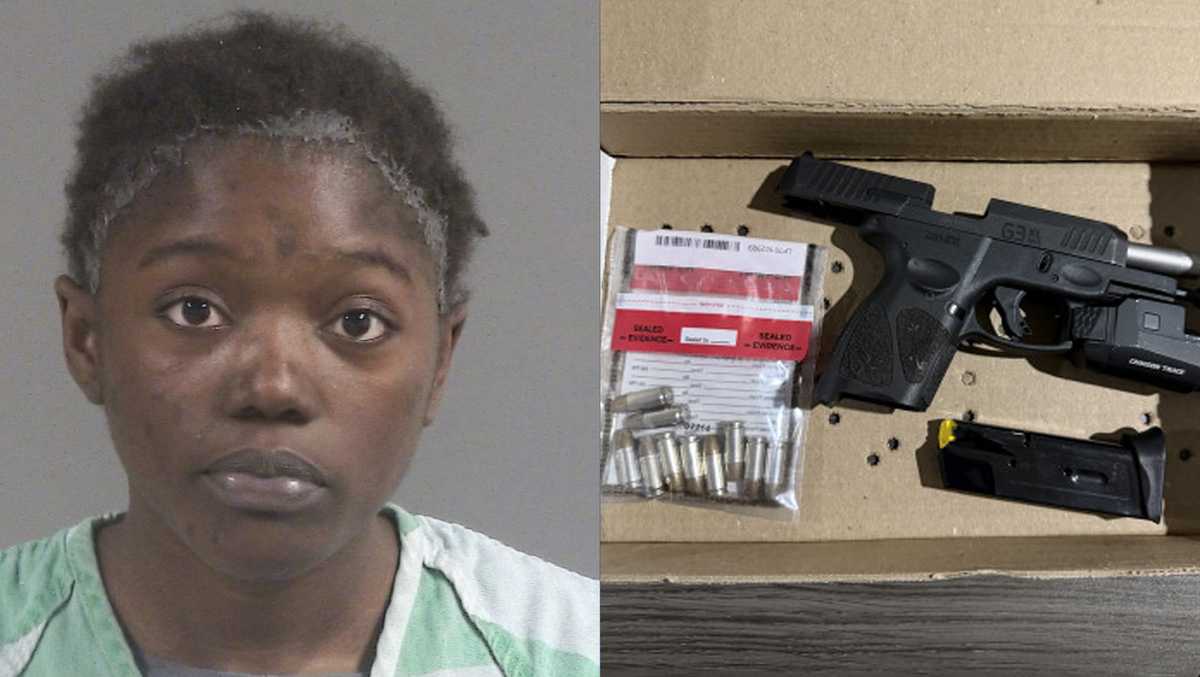
North Charleston woman Nakyah Denae Odom charged after Dollar General incident
North Charleston Police Charge Woman Following Dollar General Armed Confrontation Nakyah Denae Odom, a 22-year-old resident of North...

Massillon Crushes Columbus DeSales 48-0 in Playoff Opener
Massillon Tigers Dominate Columbus DeSales in Playoff Opener The Massillon Tigers signaled their postseason intentions with a decisive...

Harwood, North Dakota voters reject data center restriction proposal
Harwood, North Dakota, has found itself in a position that is increasingly rare in the American landscape. While...

South Carolina Tourism Campaign Drives 84 Percent Website Traffic Increase
South Carolina’s $1.5 Million Bet on New York City When South Carolina officials decided to transform Grand Central...