
In a recent episode of PBS series Roadtrip Nation, three college students travel across Mississippi in a green RV to explore career options and local job opportunities.
Kaci, Areeb, and Savannah Claire set out on their journey to confront the uncertainty of finding work within their home state. “Mostly just trying to figure out what we’re going to do after college, just to be familiar with the different job opportunities that are here,” Kaci told PBS.
The road trip goes across Mississippi in a big green RV, starting in the Jackson area. On their first stop in the Jackson area, the group visits the Mississippi Civil Rights Museum.
There, they meet Hezekiah Watkins, who was the youngest Freedom Rider arrested during the civil rights movement. “I’m trying to find out: what is death row?” Watkins told PBS, recalling his youth.
The travelers also interview Nick Wallace, chef and owner of the Nissan Cafe located inside the museum. Wallace grew up in rural Edwards, Mississippi, on a farm with his grandmother, Lennel Donald, whom he credits as a major culinary influence.
Despite working for Marriott and traveling to places like Anchorage, Alaska, Wallace chose to return to Mississippi. “I honestly wanted to come back to Mississippi because I think Mississippi needed a Nick Wallace,” Wallace told PBS.
Later in the trip, the group speaks with Jeremiah Willis about state property taxes, educational funding, and alternative paths like apprenticeships. Willis highlights a program funding a welding trailer at East Central Community College for use by individuals at a correctional facility.
The Mississippi Civil Rights Museum, administered by the Mississippi Department of Archives and History, opened on December 9, 2017, after the state Legislature secured $20 million in funding in April 2011. According to state Senator John Horhn, it is the first state-sponsored civil rights museum in the United States, with a mission to document and educate the public about the movement in Mississippi between 1945 and 1970.
“In a lot of ways, apprenticeships could bypass a lot of the barriers, and you get paid while you do it,” Willis told PBS.

Denver to Close Stone Creek Hotel Homeless Shelter in May 2026
Denver will shutter its first hotel-based homeless shelter at Stone Creek in May 2026, removing 182 noncongregate rooms...
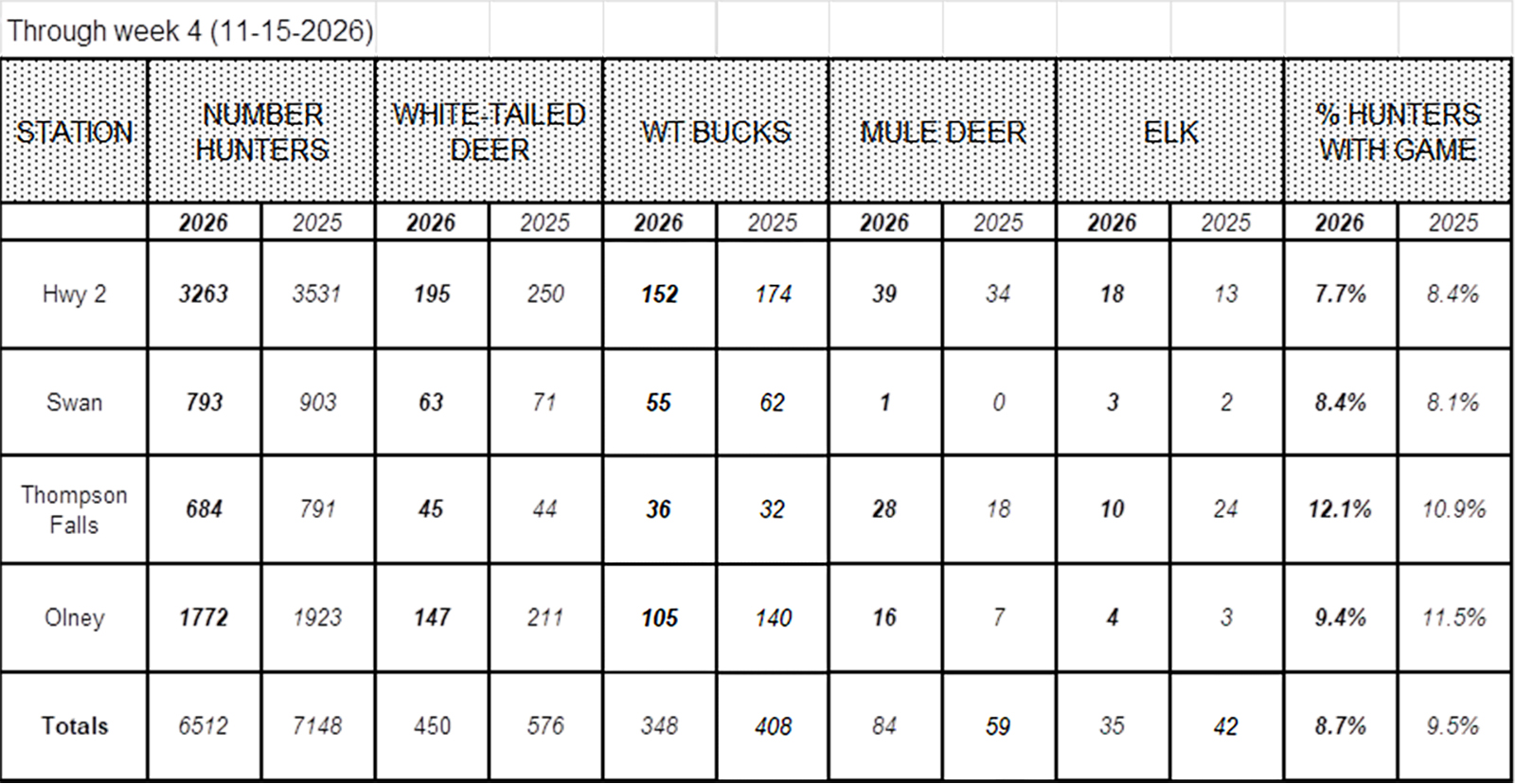
Colder Weather and Deer Rut Boost Hunter Success in Northwest Montana
Northwest Montana hunters found better luck at regional game check stations as colder weather arrived and the annual...

American Airlines A319 Declares Mayday After Trailing Crew Reports Engine Flames
Flames visible from an engine on November 19 forced an American Airlines Airbus A319 carrying 120 people to...
Study: Data Centers Disproportionately Placed in Black, Latino, Asian Neighborhoods Nationwide
"We would’ve never purchased a house if we knew a data center was coming," Zakiya Mabery told Capital...