
“We established the record of the pilot program, who it was reaching and how it was working,” Ben Teresa told VCU News.
The research findings from that pilot program helped convince the Virginia General Assembly to make the Virginia Eviction Reduction Program permanent in early 2026, VCU News reported.
The program now operates with a $10 million annual budget to provide legal aid and emergency rent relief to tenants across the state. This expansion follows years of data collection and evaluation conducted by Virginia Commonwealth University’s RVA Eviction Lab.
Led by Ben Teresa, an associate professor of urban and regional planning in the L. Douglas Wilder School of Government and Public Affairs, the RVA Eviction Lab has been tracking the efficacy of housing interventions since its founding in 2018. The lab’s work provides the empirical backbone for the Virginia Eviction Reduction Program, which funnels money to local organizations that assist people facing the threat of displacement.
By interviewing local organizations and surveying tenants, researchers have identified how funds are utilized to stabilize housing. These local grantees have the flexibility to address specific, immediate crises that might otherwise lead to a court summons.
“It allows these local grantee groups to really meet the needs as the households are facing these situations,” Teresa told VCU News.
Teresa said that support varies by the specific needs of the household. For some, the assistance is direct rental aid; for others, it involves managing the complexities of the court system. In some instances, a $500 grant for a car repair can prevent a financial crisis from cascading into an eviction case.
The lab’s research highlights who is most frequently impacted by housing instability in the Commonwealth. According to a report on the 2025 program year, the initiative served 1,835 households. The data shows that the majority of these households were Black- and female-led, and more than 50% included children.
The efficacy of the intervention is reflected in the retention rates of those receiving help. The RVA Eviction Lab found that over 90% of people who received funding through the program remain housed.
Beyond individual household stability, the researchers observed a broader civic effect. Local organizations receiving these funds have built levels of trust among tenants, landlords, and the courts. This relationship-building has contributed to reported drops in eviction filings in several regions served by the program’s grantees.
| Metric | 2025 Data/Status |
|---|---|
| Total households served | 1,835 |
| Housing retention rate | Over 90% |
| Annual program budget | $10 million |
| Demographic majority | Black- and female-led |
While the program has proven successful in its pilot and initial permanent phases, the scale of the need continues to influence policymakers. The shift from a pilot program to a $10 million permanent fixture allows for a much wider net to be cast across Virginia’s various regions.
The RVA Eviction Lab plans to continue monitoring the impacts of this increased funding as the program scales. The goal remains focused on the front end of the crisis rather than the aftermath of a legal judgment.
“But it’s targeted at preventing evictions in the first place,” Teresa told VCU News.
“So we can expect to meet a much greater need than the program was able to meet before,” Teresa said.
Keep reading

Arizona Beats Northern Arizona 90-59 in Bryce James’ Third Appearance
Arizona cruised to a 90-59 victory over Northern Arizona on Tuesday night, a blowout that saw Bryce James...
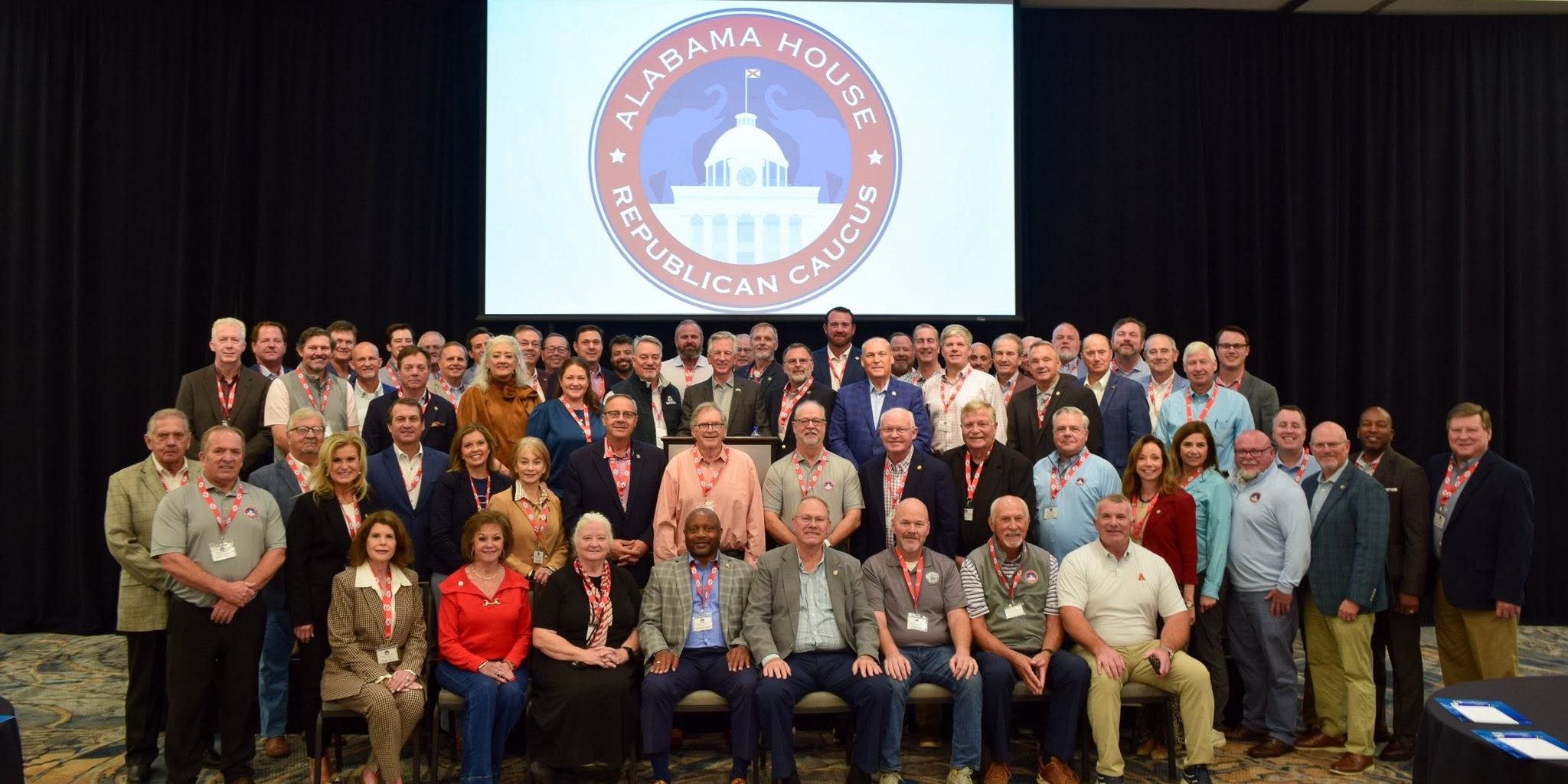
Alabama House Republicans Retain 74 of 105 Seats After Midterms
Alabama House Republicans will enter the next quadrennium holding 74 of the chamber’s 105 seats, maintaining a supermajority...

American Airlines to Introduce First Class Light Bites on New York-Chicago Routes
American Airlines is reintroducing fresh food options in first class for flights between New York and Chicago, marking...
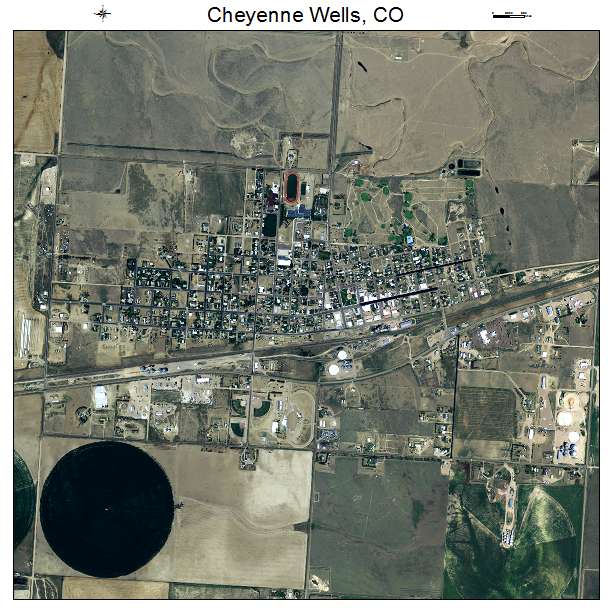
Sunny Weather and Weekend Showers Forecast for Cheyenne Wells
Sunny conditions will define Veterans Day for residents in Cheyenne Wells and Cheyenne County as temperatures remain comfortably...