Sacramento’s first permitted 3D-printed accessory dwelling unit opened this month in Natomas Park, built by K4k Construction in the backyard of Estelle and Dave Gonzalez for her parents, John and Judy Treherne, both 81.
The 1,200-square-foot home features two bedrooms, two bathrooms, solar panels, 10-foot ceilings, a 10-hour fire resistance rating and a “flame wall” that mimics a fireplace with rippled concrete illuminated by color-changing lights.
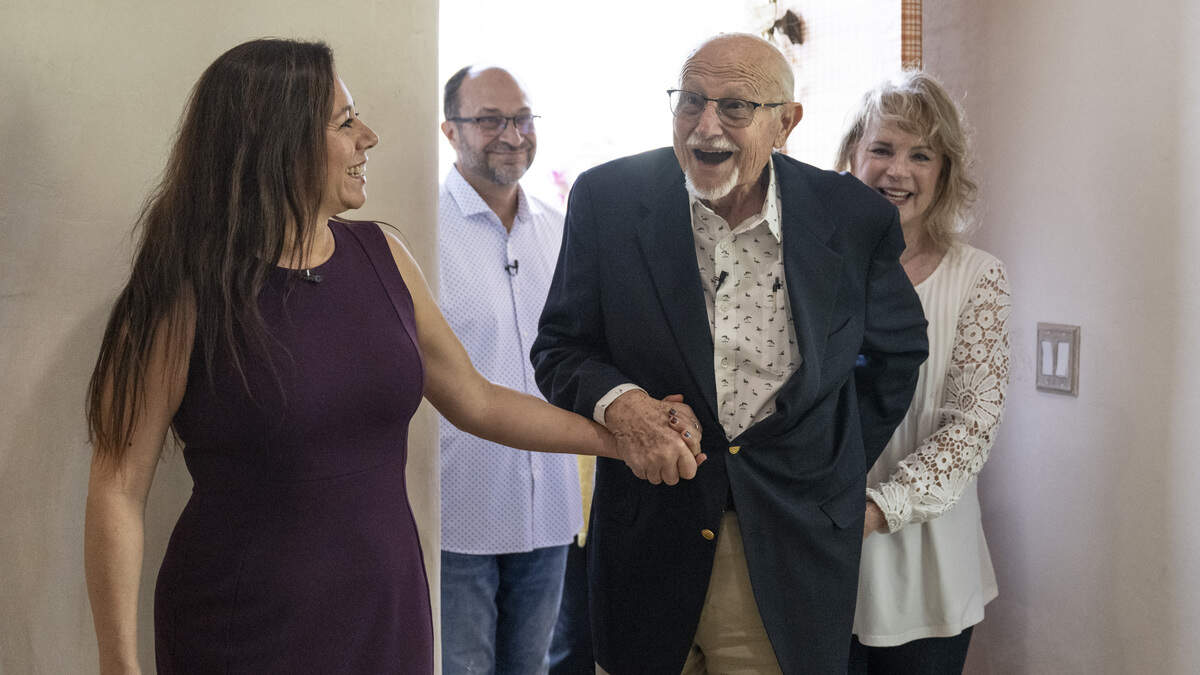
K4k Construction hosted a housewarming on Nov. 14 to unveil the ADU to friends, family and the new residents. The Trehernes were kept from seeing the interior during construction, even though their daughter’s company built the project in her own backyard.
“Today I’m seeing things that I never knew they were really up to,” John Treherne said. “Everything they’ve done is so perfect for us.” “We’re absolutely blown away,” he told the gathered group. “Simply because I see their names and I know they bought that piece for us.”
The idea began as a joke, according to Estelle Gonzalez, K4k’s 3D printing engineer. “We are blessed with a large enough backyard in our Natomas neighborhood,” she said. “So we said, ‘Hey, why don’t we 3D print your house in our backyard?’ and my dad said, ‘You know, I think I’m okay with that.’ So they’ve been on this journey with us and just very patient.”

While the robotic arm printed the concrete walls in 12 days, the total process took about three years. Much of that time was spent on permitting: the city of Sacramento had to write new housing codes for the project.
“The city was ‘very open to it and very curious about it, but because it was so new, and we are the first permitted 3D-printed home in Sacramento, it took 18 months for us to get completely permitted,'” Gonzalez said.
The neighborhood homeowners association also forced a redesign. Architect Kaneshka Salehi said the ADU’s original design had to be scrapped because its exterior needed to complement the property’s original home.
Gonzalez said 3D-printed homes are sturdy, have lower insurance and energy costs, are mold- and termite-resistant and, most important, fire-resistant. She said the appeal was building something that could help address the devastation caused by California wildfires.
John Treherne, who spent years living in Africa with his wife, said, “We’ve never had anything so nice. Living in Africa, you rent whatever you can get. It’s usually cinder block or homemade block with geckos walking across your ceiling.” The couple has celebrated 59 anniversaries.
“I had a wish that in this new house I could have my painting that they brought me that was still rolled up,” Treherne said. “‘Please, I’d love to have my Nepal picture in the room,’ and there it is!” “I’m a bit of a cook, so I can’t wait to get on that stove,” Treherne smiled.
“This is hugely significant for my parents,” Gonzalez said.

Family history finds its place in new home
John Treherne told the Sacramento Bee that he spent years living in Africa with his wife, Judy, where housing was basic and geckos walked across the ceiling. “We’ve never had anything so nice,” he said, contrasting the new ADU with the cinder-block rentals they once knew. The couple has celebrated 59 anniversaries together.
During the Fox40 tour, Treherne asked to display a rolled-up painting from Nepal that his family had brought him. “Please, I’d love to have my Nepal picture in the room,” he recalled saying, “and there it is!” He also smiled and said, “I’m a bit of a cook, so I can’t wait to get on that stove.”
Company ties technology to California housing crisis
Dave Gonzalez said he was inspired by a growing 3D-printing industry in Florida and Texas and decided the technology could help address California’s housing crisis. Since then, K4k Construction has worked on projects in Los Angeles, including printing a replacement home for an Altadena house destroyed by fire.
Worth a look

NDSU Offense Explodes for 414 Yards in 31-25 Win Over Northern Illinois
North Dakota State's offense produced a season-high 414 yards in a 31-25 Mountain West Conference victory over Northern...
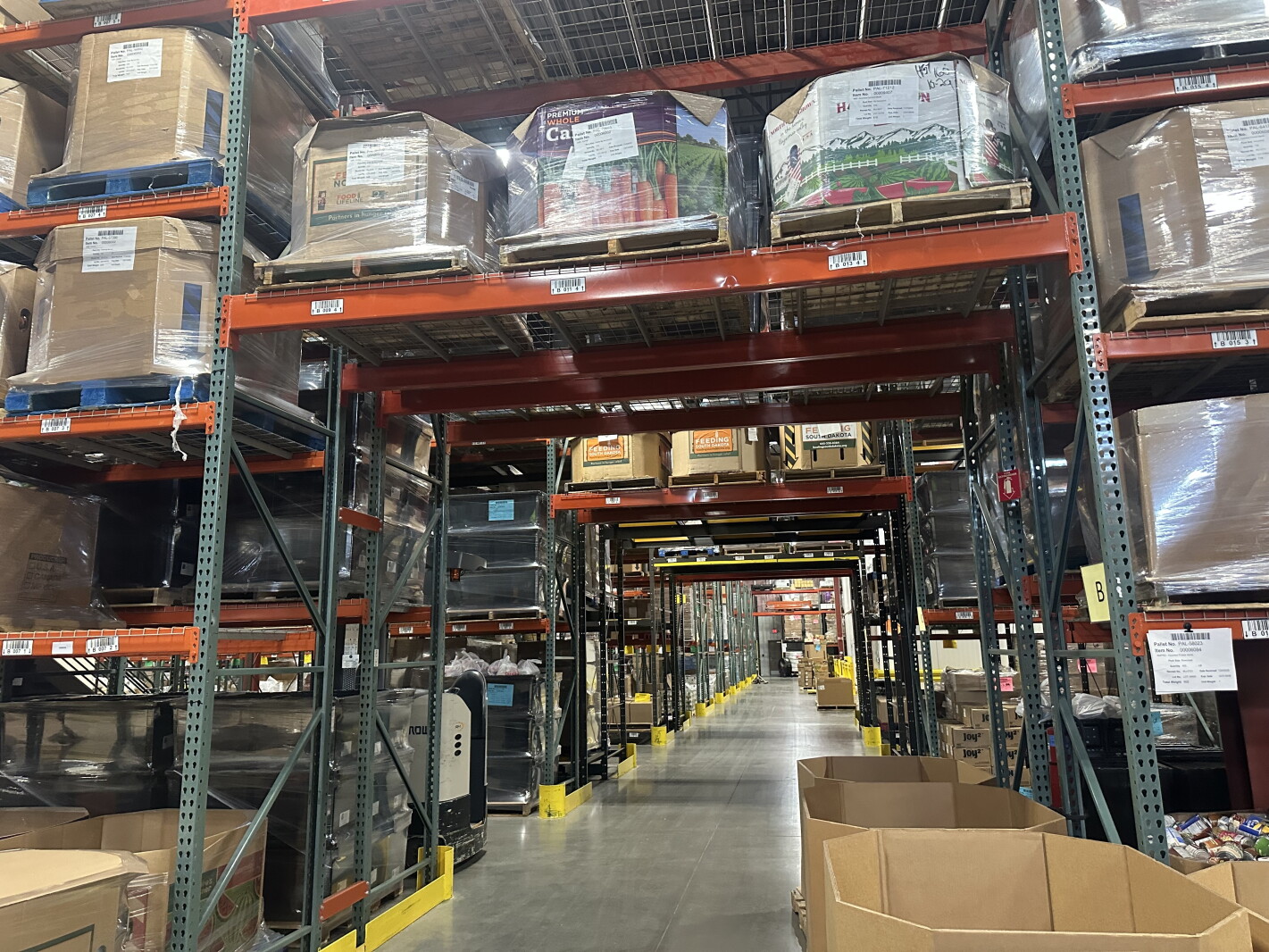
Ag Partnerships and USDA Programs Fuel Feeding South Dakota’s Healthy Food Supply
Agricultural partnerships and USDA programs supply the produce, proteins and dairy that stock Feeding South Dakota’s shelves, Agweek...

Cooper Dileva Field Goal Leads San Diego State Past Boise State 22-20
Cooper DiLeva slotted a 42-yard field goal as time expired to lift San Diego State over No. 15...

Wyoming Lawmakers to Weigh Water, Power and Impact Bills for Data Centers in January Session
Wyoming lawmakers will consider a handful of draft bills on water, electricity and local impacts for new data...